

Many people are surprised to learn that the capybara, the world’s largest rodent, is sometimes eaten by humans. When most people see a capybara, they think of a cute, friendly animal relaxing near water. But in some parts of the world, eating capybara is not only common, it is part of local culture and tradition.
If you are curious about whether people eat capybara, why they do it, and what it tastes like, this article will answer your questions in clear, simple English.
What Is A Capybara?
The capybara is a large, semi-aquatic rodent native to South America. Adults usually weigh 35–66 kg (77–146 lbs) and can reach up to 1.3 meters (4.3 feet) long. Capybaras live in groups near rivers, lakes, and wetlands, especially in countries like Brazil, Venezuela, and Colombia. They eat mostly grass and aquatic plants. Their gentle nature and social behavior make them popular animals in zoos and on social media.
Do People Eat Capybara?
The short answer is yes, people do eat capybara, but not everywhere. Eating capybara is most common in parts of South America, especially in Venezuela and some regions of Brazil. In these places, capybara meat is a traditional food and sometimes even considered a delicacy.
In other parts of the world, especially Europe and North America, eating capybara is rare or even illegal. In the United States, for example, capybara meat is not widely available and is not part of the common diet.
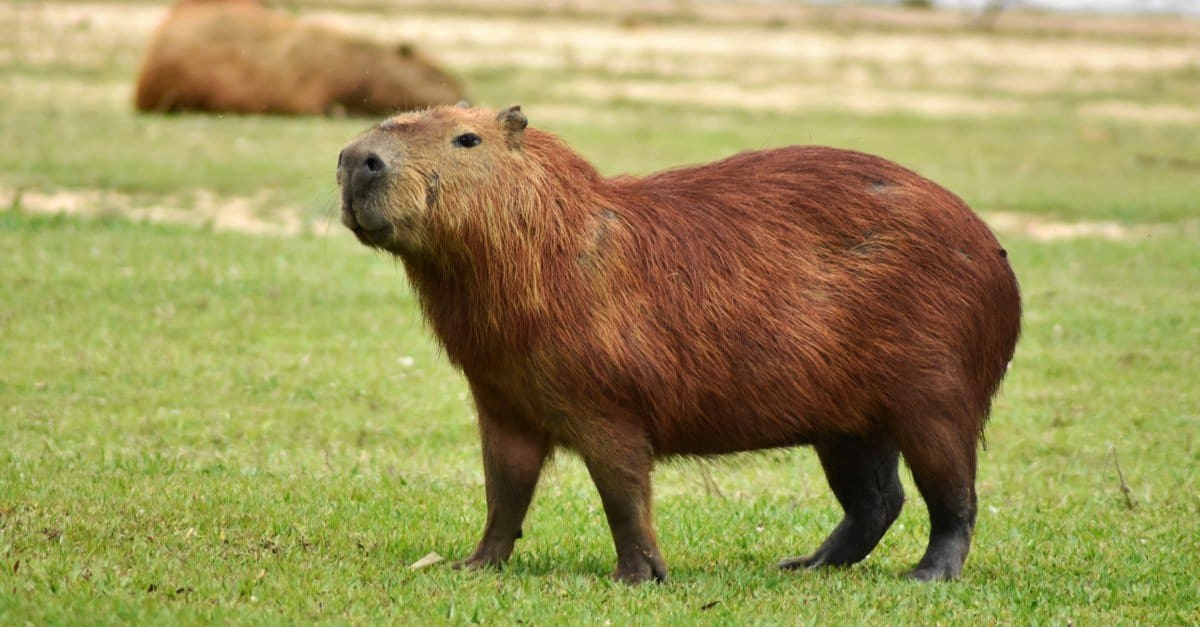
Credit: a-z-animals.com
Why Do People Eat Capybara?
There are several reasons why capybara is eaten in some cultures:
- Tradition: In Venezuela, capybara has been eaten for centuries. It is especially popular during Lent, a Christian period when eating red meat is not allowed. Because capybara spends much of its life in water, the Catholic Church allowed it to be eaten like fish during Lent.
- Taste: Many people say that capybara meat tastes good. It is often compared to pork or duck, with a slightly gamey flavor.
- Availability: In rural areas, capybara is easy to hunt or farm, making it an accessible source of protein.
How Is Capybara Meat Prepared And Eaten?
Capybara meat is cooked in many ways, depending on the region and occasion. Here are some common methods:
- Stewed: Capybara is often slow-cooked with spices, vegetables, and sauces. This makes the meat tender and flavorful.
- Smoked: In some areas, capybara is smoked to preserve it and add flavor.
- Roasted: Whole capybara can be roasted for large gatherings or special celebrations.
- Sausages: The meat is sometimes ground and made into sausages.
Example: Venezuelan Capybara Stew
In Venezuela, a popular dish called “chigüire en coco” uses capybara meat cooked with coconut milk, spices, and vegetables. This dish is often served during Lent.
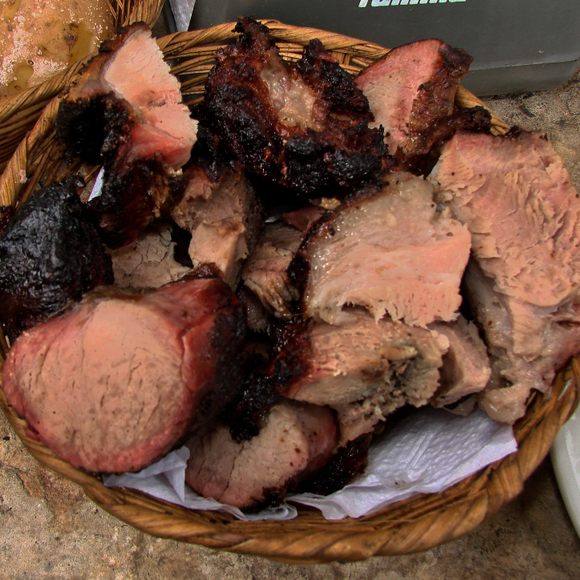
Credit: www.atlasobscura.com
Nutrition And Health Aspects
Many people wonder if capybara meat is healthy. Here is a simple comparison of capybara meat and other common meats:
| Meat | Calories (per 100g) | Protein (g) | Fat (g) |
|---|---|---|---|
| Capybara | 155 | 22 | 6 |
| Pork | 242 | 27 | 14 |
| Chicken | 165 | 31 | 3.6 |
As you can see, capybara meat is similar to lean pork or chicken. It is high in protein and lower in fat than many red meats.
Is Eating Capybara Legal?
The legality of eating capybara depends on the country and local laws. In Venezuela and some parts of Brazil, hunting or farming capybara is legal with the right permits. There are rules to protect wild populations and ensure that hunting is sustainable.
In many other countries, importing or selling capybara meat is not allowed. For example, in the United States and Europe, strict animal protection laws make it difficult or illegal to buy or sell capybara meat.
Here is a quick look at the legal status in a few countries:
| Country | Legal Status | Notes |
|---|---|---|
| Venezuela | Legal | Popular during Lent |
| Brazil | Legal (with permits) | Regulated hunting/farming |
| United States | Illegal | Not sold for food |
| Europe | Illegal | Strict animal laws |
Cultural And Ethical Questions
Eating capybara raises cultural and ethical questions. In some countries, capybaras are seen as pets or wild animals that should be protected. In others, they are a traditional food. This difference can cause confusion or even strong feelings.
Some animal rights groups say that eating capybara is not ethical. They believe these animals should be protected in the wild. Others argue that capybara farming, when done sustainably, can help local people and does not harm wild populations.
Non-obvious insight: In Venezuela, eating capybara is so common during Lent that the Catholic Church made a special rule for it in the 18th century, treating it as a “fish” for religious purposes. This shows how food customs can change based on local needs.
Is Capybara Farming Sustainable?
Capybara can be farmed, and some experts believe this is a more sustainable way to produce meat than farming cows or pigs. Capybaras need less land, eat local plants, and can live in wet areas where other animals cannot thrive.
However, capybara farming requires special knowledge and care. If not managed well, it can lead to problems like disease or damage to wetlands. Farmers must follow strict rules to protect both the animals and their environment.
Non-obvious insight: Capybara farming can also provide leather, which is used for gloves and shoes in some South American countries. This makes the animal valuable for more than just its meat.
What Does Capybara Taste Like?
Many people compare the taste of capybara to a mix of pork and duck. It is often described as mild, slightly sweet, and not too gamey. The meat is tender if cooked slowly, but it can be tough if cooked too quickly.
People who have tried capybara say that the way it is cooked changes the flavor a lot. For example, capybara stew with spices tastes very different from smoked or roasted capybara.
Practical Tips For Trying Capybara
If you are curious about trying capybara, here are a few suggestions:
- Only eat capybara in countries where it is legal and traditional.
- Choose meat from farms, not wild animals, to help protect wild populations.
- Try traditional dishes, such as Venezuelan stews, for the best flavor.
- If you are a vegetarian or have ethical concerns, it is okay to say no.
For more information about capybara and its cultural role, visit the Wikipedia Capybara page.

Credit: www.youtube.com
Frequently Asked Questions
Is Capybara Meat Safe To Eat?
Yes, capybara meat is safe to eat if prepared and cooked properly. Always make sure the meat comes from a clean, legal source.
Why Do Venezuelans Eat Capybara During Lent?
The Catholic Church in Venezuela allowed capybara meat during Lent because capybaras spend much time in water, similar to fish.
What Does Capybara Taste Like?
Capybara meat tastes like a cross between pork and duck. It is mild, tender, and not very gamey.
Is It Legal To Eat Capybara In The United States?
No, eating capybara is not legal in the United States. The meat is not sold for food, and laws protect capybara as an exotic animal.
Can Capybara Be Kept As Pets And Eaten?
In some countries, capybaras are kept as pets, but in others, they are farmed for meat. Keeping and eating capybara depends on local laws and culture.
Eating capybara is a tradition in some parts of the world, while in others it is not common or even allowed. If you are interested in food from different cultures, learning about capybara can open your mind to new tastes and customs.
Always respect local laws and ethical views when it comes to eating unusual animals.


