

Capybaras are gentle giants of the rodent world. They charm people with their calm nature and friendly attitude. As herbivores, their diet is usually simple—mostly grass, vegetables, and some fruits. But many capybara owners and animal lovers wonder: Can capybaras eat oranges? This question is important, as not all fruits are safe for these animals. Feeding capybaras the right foods keeps them healthy and happy, so understanding which fruits are safe is essential.
Are Oranges Safe For Capybaras?
Oranges are popular for their sweet taste and vitamin C. But when it comes to capybaras, moderation is the key. Capybaras can eat oranges, but only in small amounts. Oranges are not toxic to them, but their high sugar and acid content can cause problems if given too often.
Feeding capybaras too many oranges can lead to stomach upsets, diarrhea, or even dental issues. Their digestive system is designed for high-fiber, low-sugar foods. Occasional orange slices can be a treat, but they should never replace the capybara’s main diet.
Nutritional Value Of Oranges For Capybaras
Oranges offer nutrients such as vitamin C, fiber, and antioxidants. While these are healthy for humans, capybaras get most of their nutrition from grass and hay. Below is a comparison of key nutrients in oranges and capybara’s staple foods:
| Nutrient | Oranges (per 100g) | Grass (per 100g) | Hay (per 100g) |
|---|---|---|---|
| Vitamin C | 53 mg | ~10 mg | ~6 mg |
| Sugar | 9 g | ~2 g | ~3 g |
| Fiber | 2.4 g | ~6 g | ~7 g |
As the table shows, oranges are much higher in sugar and vitamin C than a capybara’s normal food. Too much sugar can disturb their digestion, while extra vitamin C is not harmful but unnecessary, as capybaras produce their own vitamin C.
Credit: www.reddit.com
How To Feed Oranges To Capybaras Safely
If you want to offer oranges to your capybara, follow these safe steps:
- Choose fresh, ripe oranges. Wash them to remove pesticides.
- Peel the orange. The peel is hard to digest and may contain chemicals.
- Remove all seeds. Seeds can be a choking hazard.
- Cut into small pieces. This makes chewing and swallowing safer.
- Limit the amount. One or two small slices once a week is enough.
Never feed moldy or spoiled fruit. Always watch your capybara after giving a new food, to see if there are any negative reactions.
Potential Risks Of Feeding Oranges
While small amounts are safe, too much orange can cause:
- Digestive upset: Loose stools or diarrhea
- Obesity: Too much sugar may cause weight gain
- Dental problems: Sugar can increase the risk of tooth decay
- Picky eating: Capybaras may start to prefer sweet treats over their normal diet
A key insight: Capybaras naturally chew on tough grasses for hours. Soft, sweet fruits don’t give their teeth and jaws enough exercise, which can lead to dental issues over time.

Credit: www.youtube.com
Healthier Fruit Alternatives For Capybaras
Not all fruits are the same for capybaras. Some are safer and healthier than oranges. Here’s a quick comparison of common fruits you might offer:
| Fruit | Sugar (per 100g) | Safe Serving Size | Notes |
|---|---|---|---|
| Apple (no seeds) | 10 g | 1 small slice | Remove seeds, high sugar |
| Watermelon | 6 g | 1-2 small cubes | Hydrating, low acid |
| Banana | 12 g | Small piece | Very sweet, feed rarely |
| Blueberries | 10 g | 2-3 berries | Rich in antioxidants |
| Strawberries | 5 g | Half a small berry | Lower sugar, vitamin C |
Notice how many fruits are also high in sugar. This is why fruit should always be a small treat, not a daily snack.
Best Diet For Capybaras
A healthy capybara diet is mostly:
- Fresh grass
- High-quality hay (like timothy or orchard grass)
- Fresh, clean water
- Small amounts of vegetables (like carrots, sweet potato, or cucumber)
- Rare treats: A slice of fruit once or twice a week
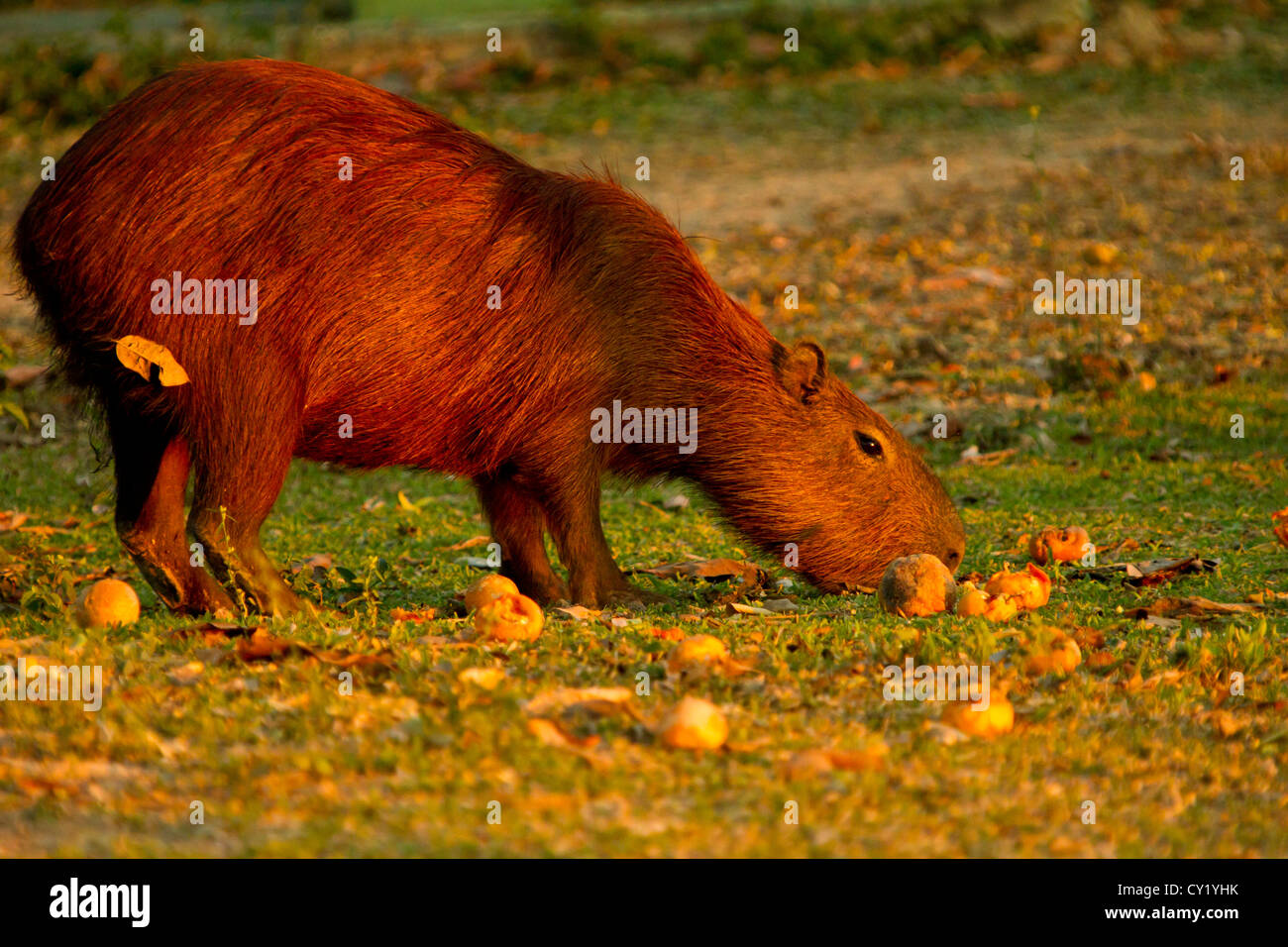
Capybaras need constant access to grass and hay. Their digestive system is built for rough, fibrous foods. Without enough fiber, they can develop gut and dental problems. Avoid processed foods, bread, and anything salty or sugary.
Credit: www.alamy.com
Practical Tips For Capybara Owners
- Offer fruit only as a special treat, not daily.
- Always introduce new foods slowly to watch for allergies or stomach issues.
- Keep portions very small—think “bite-sized.”
- Clean up uneaten fruit to avoid mold and pests.
- Never give citrus peels, seeds, or processed fruit snacks.
A common mistake is thinking that more fruit means more happiness for your capybara. In reality, too much fruit can harm their health. Stick to their natural diet and use fruit as a small reward.
Non-obvious Insights For Beginners
Many new owners assume all fruits are safe in any amount. But capybaras have sensitive stomachs. Even small changes in diet can upset their digestive balance. Also, capybaras may develop preferences for sweet foods and refuse to eat grass, which is dangerous for their health.
Another thing beginners often miss: the way you feed fruit matters. Always offer it by hand or in a clean dish. Dropped fruit can attract insects or spoil quickly, leading to health risks.
Frequently Asked Questions
Can Capybaras Eat Orange Peels?
No, capybaras should not eat orange peels. The peel is hard to digest and may contain harmful chemicals or pesticides. Only the inside flesh of the orange is safe, and even then, only in small amounts.
How Often Can I Give My Capybara Oranges?
Oranges should be given as a rare treat—about one or two small slices per week. This helps prevent digestive upset and keeps their diet balanced.
Are Other Citrus Fruits Like Lemons Or Limes Safe For Capybaras?
No, lemons, limes, and grapefruits are too acidic for capybaras. These fruits can cause mouth and stomach irritation. Stick to less acidic fruits if you want to offer variety.
What Signs Show My Capybara Ate Too Much Orange?
Watch for loose stools, lack of appetite, or signs of discomfort. If you notice any of these after feeding orange, stop giving it and return to their normal diet. If problems continue, contact a vet.
Where Can I Learn More About Safe Foods For Capybaras?
For more information, visit trusted animal care sites like the Wikipedia Capybara page, or ask your veterinarian for advice on capybara nutrition.
Capybaras can enjoy the occasional orange slice, but remember—moderation and variety are the keys to a healthy, happy pet. Always focus on their natural diet, and use fruit as a rare treat, not a staple. This way, your capybara will thrive for years to come.


