

Capybaras, the world’s largest rodents, often catch attention for their calm nature and unusual size. But one common question people ask is: how much do capybaras eat? Understanding their eating habits is important for anyone interested in capybaras, whether as pets, in zoos, or just out of curiosity. Their diet is not just about quantity—it’s also about their unique digestive system, their need for fiber, and the types of food they prefer.
Capybara Diet Basics
Capybaras are herbivores, meaning they eat only plants. Their main foods are grasses, aquatic plants, fruits, and vegetables. In the wild, they graze for long periods, often in the morning and evening when it’s cooler.
A typical adult capybara weighs between 35 to 66 kg (77 to 146 lbs). Due to their size and activity level, their food intake is much higher than smaller rodents. On average, an adult capybara eats about 2.5 to 3.5 kg (5.5 to 7.7 lbs) of fresh food every day. That’s almost 5% of their body weight daily.
How Much Do Capybaras Eat Per Day?
The actual amount a capybara eats depends on its:
- Age (young capybaras eat less)
- Size
- Activity level
- Weather (they eat more in cooler weather)
- Food availability
Below is a table comparing average daily food intake for different age groups:
| Age/Type | Average Weight | Daily Food Intake |
|---|---|---|
| Adult (fully grown) | 45-66 kg | 2.5-3.5 kg |
| Juvenile (6-12 months) | 20-40 kg | 1.0-2.5 kg |
| Pup (under 6 months) | 3-15 kg | 0.3-1.0 kg |
These numbers are for fresh food like grass, vegetables, and fruits. In captivity, caretakers often measure out specific amounts to avoid overfeeding.
What Do Capybaras Eat?
In the wild, capybaras eat over 100 types of plants. The main part of their diet is grass, which makes up about 70–80% of what they eat. They also like aquatic plants, reeds, bark, and sometimes fruits.
In captivity or as pets, their diets often include:
- Fresh grass or hay (timothy hay is common)
- Leafy greens (lettuce, dandelion leaves, kale)
- Vegetables (carrots, sweet potatoes, squash)
- Fruits (apples, melons, but in small amounts)
- Special rodent pellets for balanced nutrition
A typical daily diet for one adult capybara might look like this:
- 2 kg fresh grass or hay
- 500 g leafy greens
- 300 g vegetables
- 100 g fruit (as a treat)
Foods To Avoid
Capybaras should not eat foods high in sugar, salt, or fat. Human snacks, dairy, and processed foods can harm their digestive systems.
Capybara Feeding Habits
Unlike some animals that eat a few big meals, capybaras graze throughout the day. They spend up to 6–8 hours eating, mostly during cooler morning and evening hours. This grazing style helps them digest their high-fiber diet.
Another unique habit is coprophagy—eating their own soft droppings. This may sound strange, but it helps them get extra nutrients and digest fiber better. It’s a normal, healthy part of their routine.

Credit: www.wildlifenomads.com
Factors That Affect How Much Capybaras Eat
How much a capybara eats can change based on several factors:
- Season: In dry seasons, less food is available, so they may eat less or change food types.
- Activity Level: Active capybaras need more energy and eat more.
- Pregnancy or Nursing: Females eat more when pregnant or feeding young.
- Health: Sick or stressed capybaras may eat less.
Below is a table showing how some factors can affect daily intake:
| Factor | Effect on Food Intake | Example |
|---|---|---|
| Cool weather | Increases | More grazing in mornings/evenings |
| Heat | Decreases | Less movement, less eating |
| Pregnancy | Increases | Extra 10-20% food needed |
| Illness | Decreases | May refuse food |
Comparing Capybara Food Needs With Other Rodents
Capybaras are much larger than other rodents, so their daily food intake is higher. For example, a guinea pig (1–1. 5 kg) eats about 100–150 g of food daily, while an adult capybara eats up to 3. 5 kg.
Here’s a simple comparison:
| Rodent | Average Weight | Daily Food Intake |
|---|---|---|
| Capybara | 45–66 kg | 2.5–3.5 kg |
| Guinea Pig | 1–1.5 kg | 100–150 g |
| Chinchilla | 0.6–0.8 kg | 40–60 g |
This shows how much more food a capybara needs compared to its smaller relatives.

Credit: petcapybara.com
Non-obvious Insights For Capybara Feeding
Many new capybara owners or caretakers miss two key points:
- Water is essential: Capybaras must have access to clean water for both drinking and swimming. Water helps them digest their high-fiber diet and stay healthy.
- Dental health matters: Like all rodents, capybaras’ teeth grow constantly. They need rough, fibrous foods (like hay and grass) to wear down their teeth naturally. Without this, dental problems can develop quickly.
If you keep capybaras, offer a variety of tough plants to chew and always provide fresh water.
Practical Tips For Feeding Capybaras
- Weigh food portions to avoid overfeeding or underfeeding.
- Change water frequently and clean bowls daily.
- Rotate food types to prevent boredom and ensure balanced nutrition.
- Monitor weight and adjust portions if your capybara is gaining or losing weight.
- Watch for signs of poor appetite, as this can signal health issues.
If you want more details on their biology or wild diets, see this Wikipedia article.
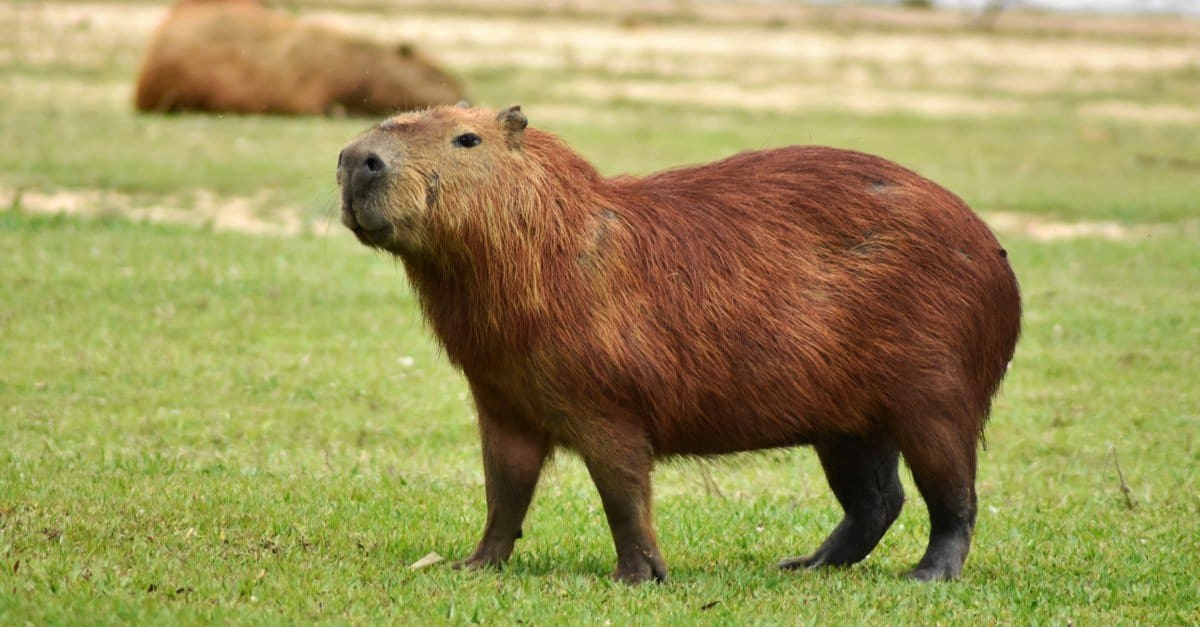
Credit: a-z-animals.com
Frequently Asked Questions
How Many Times A Day Should Capybaras Be Fed?
Capybaras should have access to food throughout the day since they are natural grazers. Split their food into several small portions, allowing them to eat whenever they want.
Can Capybaras Overeat?
Yes, especially in captivity where food is always available. Overeating can lead to obesity and health problems, so portion control is important.
What Happens If A Capybara Eats Too Little Fiber?
Too little fiber can cause digestive issues, dental problems, and general poor health. Always provide plenty of grass or hay.
Are There Special Foods For Baby Capybaras?
Young capybaras start with mother’s milk, then move to soft grasses and leafy greens. Avoid hard vegetables until they are older.
Can Capybaras Eat Human Food Or Snacks?
No. Capybaras should not eat processed human foods, chocolate, or anything with sugar, salt, or additives. These can be harmful.
Capybaras are gentle giants with big appetites. Knowing how much capybaras eat and understanding their unique needs will help you keep them healthy and happy, whether you care for one or just love learning about them.


