

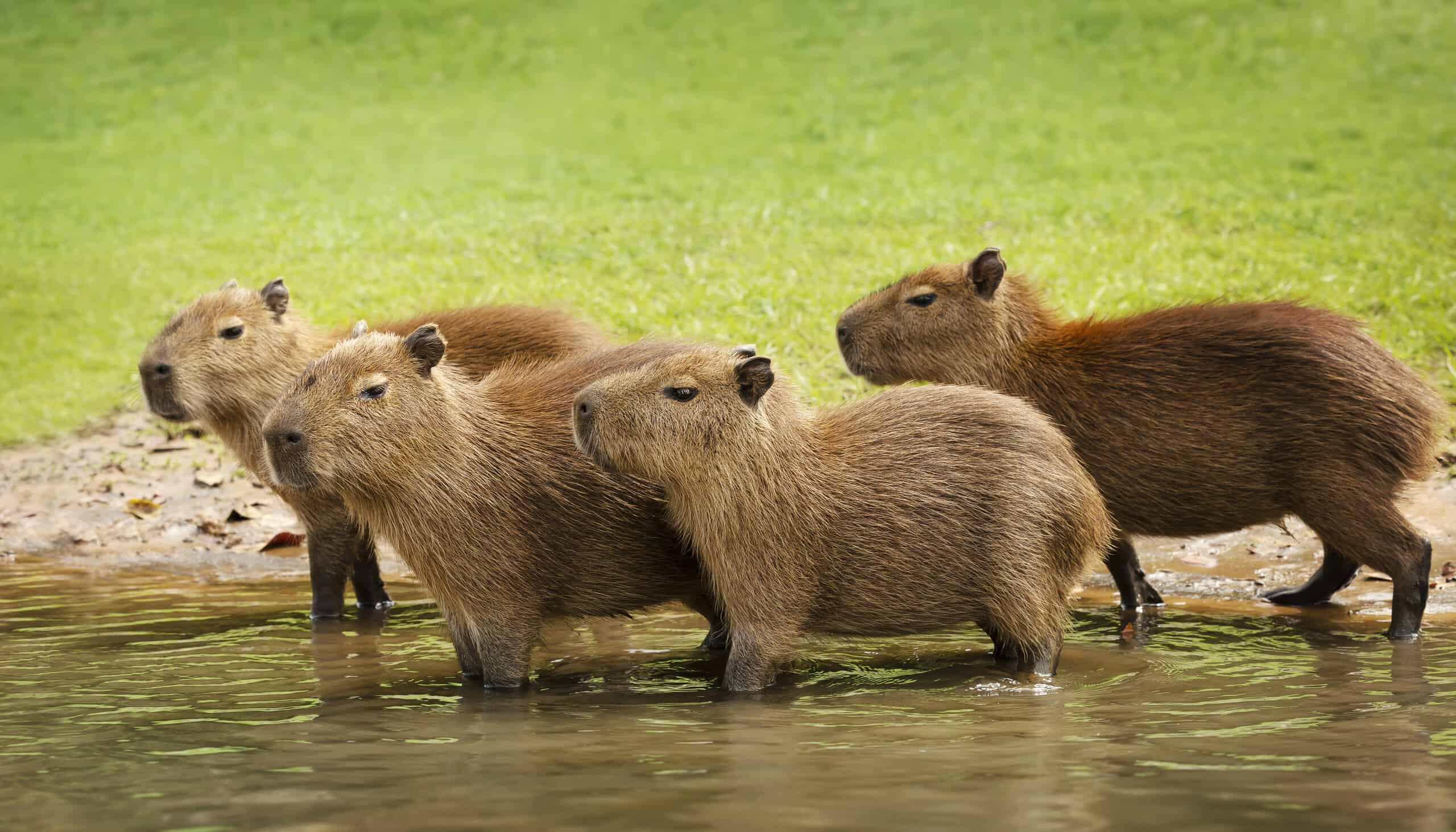
A group of capybaras is called a herd. This simple answer often surprises people, because capybaras are not as well-known as lions or elephants. Yet, these gentle giants have a unique way of living together that is both fascinating and complex. Understanding what a group of capybaras is called opens a window into their social life, behaviors, and why they are such a beloved animal in the wild and in captivity.
What Is A Group Of Capybaras Called?
The correct term for a group of capybaras is a herd. Sometimes, people might hear the word “group” or “band”, but “herd” is the most accepted name. This reflects their strong social nature, much like cows or deer, which also live in herds.
In the wild, a herd of capybaras usually includes 10 to 20 individuals, but it can be as small as 2 or as large as 100 during the dry season when water sources are scarce. These herds are not just random collections of animals. They are organized and have clear relationships among their members.
Capybara Social Structure
Capybaras are the largest rodents in the world, and they are also some of the most social. Their herds are made up of:
- One dominant male
- Several females
- Their offspring
- A few subordinate males
The dominant male leads the group. He protects the herd, makes decisions about where to eat and rest, and often decides when the group moves to a new place. Subordinate males usually stay at the edge of the herd or sometimes leave to form new groups.
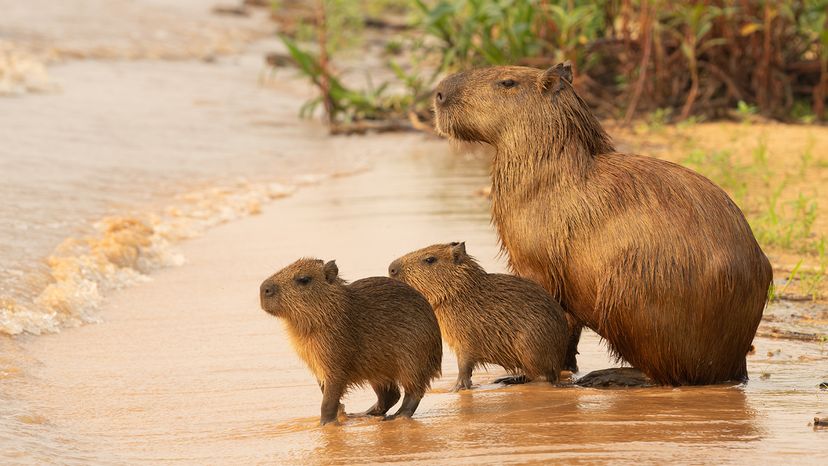
Females play a key role too. They often help each other with young capybaras (called pups), sharing the work of watching and protecting them.
Why Do Capybaras Live In Herds?
Living in a herd gives capybaras many advantages:
- Protection from predators: There is safety in numbers. When a predator like a jaguar or caiman appears, the group can alert each other quickly. Capybaras use sharp whistles and barks to warn the herd.
- Caring for young: Multiple mothers in a herd means that pups get more protection and care. This shared responsibility increases the chance of survival for the young.
- Finding food and water: Herds can work together to locate the best places to graze or swim. During dry seasons, large herds may form around shrinking water holes.
- Social learning: Young capybaras learn important skills by watching adults in the herd. This includes what plants to eat and how to avoid danger.
Unique Capybara Behaviors In Herds
Capybara herds are known for their peaceful nature. They rarely fight and often share their space with other animals. You might see birds like jacanas or cattle egrets riding on their backs, picking off insects.
One unusual behavior is mutual grooming. Capybaras clean each other’s fur using their teeth. This helps build bonds in the group and keeps their fur healthy.
Capybaras also use special scent glands to mark their territory. The dominant male will rub his nose or a special gland on his rump against plants and the ground, letting other capybaras know this area belongs to his herd.
Credit: a-z-animals.com
Capybara Herd Size: What The Numbers Tell Us
The size of a capybara herd changes based on the season and location. In the rainy season, herds are smaller because water and food are easy to find. During the dry season, herds get much bigger as capybaras gather around the few water sources that remain.
Here is a comparison of typical herd sizes in different environments:
| Environment | Average Herd Size | Reason |
|---|---|---|
| Rainy Season | 10 – 20 | Plenty of food and water |
| Dry Season | 40 – 100 | Scarcity of water |
| Captivity (Zoos) | 5 – 12 | Limited space |
The largest herds ever recorded had over 100 capybaras. However, herds this large are rare and usually only form in extreme conditions.
Capybaras Compared To Other Social Animals
It helps to see how capybaras compare to other animals that live in groups:
| Animal | Group Name | Typical Size |
|---|---|---|
| Capybara | Herd | 10 – 20 |
| Lion | Pride | 10 – 15 |
| Wolf | Pack | 6 – 8 |
| Elephant | Herd | 8 – 100 |
While the word “herd” is not unique to capybaras, their peaceful way of living together makes them stand out among social mammals.
Credit: animals.howstuffworks.com
Common Myths And Insights About Capybara Herds
Many people believe capybaras are always friendly and never fight. While it’s true they are gentle, males sometimes compete for dominance, especially in the mating season. These fights are short and rarely cause injury.
Another overlooked fact is that capybara herds are not permanent. Members can leave and join other herds, especially young males. This keeps the population healthy and reduces inbreeding.
A non-obvious insight: Capybaras sometimes act as “ecosystem engineers.” Their herds can change the landscape by grazing, making new paths, or opening up water areas for other species.
Why Capybaras Are Popular In Zoos And Farms
Capybaras’ calm nature and herd instincts make them popular in zoos and on farms. They adapt well to living with other animals and are easy to manage in groups.
In some places, people even keep capybaras as pets, but it’s important to remember they need companionship. A single capybara can get lonely and stressed. Experts always recommend keeping them in pairs or small herds, even in captivity.
Conservation And The Role Of Herds
Capybaras are not endangered, but their herds still face threats. Habitat loss, hunting, and water pollution can harm local populations. Protecting large, healthy herds is important for the survival of the species.
Some conservation projects track herd sizes to measure the health of capybara populations. If herds become too small or isolated, it can be a warning sign for the ecosystem.
For more on capybara conservation, visit the Wikipedia page on Capybaras.
Frequently Asked Questions
What Is A Group Of Capybaras Called?
A group of capybaras is called a herd. This reflects their social structure and the way they live together for safety and cooperation.
How Many Capybaras Are Usually In A Herd?
Most herds have between 10 and 20 capybaras, but in some cases, especially during the dry season, herds can grow to over 100.
Do Capybaras Always Stay In The Same Group?
No, capybaras can switch herds. Young males often leave their birth group to join new herds, which helps keep the population healthy.
Are Capybara Herds Peaceful?
Yes, capybara herds are known for being calm and gentle. However, males may compete for dominance, especially during the breeding season.
Can You Keep A Single Capybara As A Pet?
It is not recommended. Capybaras are very social and need at least one companion. Keeping a single capybara can make it lonely and unhappy.
Capybaras teach us the value of living together in harmony. Their herds show that cooperation, sharing, and social bonds are as important for animals as they are for people. Whether in the wild or in our care, understanding their group life helps us appreciate these remarkable creatures even more.

Credit: jon-farrow.com


