

Capybaras often catch people’s attention with their calm faces and social nature. These large rodents, sometimes called giant guinea pigs, are found across South America. Many people wonder if capybaras are endangered, especially as more wild animals face threats from humans and changing environments. Understanding their status is important, not just for animal lovers but for anyone who cares about nature.
What Is A Capybara?
Capybaras are the world’s largest rodents. Adults can weigh from 35 to 66 kg (77 to 146 lbs) and can grow up to 1.3 meters (4.3 feet) long. They live in groups near water, such as rivers, swamps, and lakes. Their webbed feet help them swim, and they spend a lot of time in the water to cool off or escape from predators. Capybaras eat mostly grass, aquatic plants, and sometimes fruit.
Current Conservation Status
The main question is: are capybaras endangered? According to the International Union for Conservation of Nature (IUCN), capybaras are classified as Least Concern. This means they are not currently endangered. Their population is stable in most areas, and they are common in countries like Brazil, Venezuela, and Colombia.
However, the story is not the same everywhere. While capybaras are not endangered as a species, some local populations face bigger risks. In certain regions, habitat loss and hunting have caused numbers to fall.
Here is a summary of their conservation status:
| Region | Status | Main Threats |
|---|---|---|
| Brazil | Stable | Hunting, habitat loss |
| Venezuela | Stable | Hunting |
| Argentina | Localized decline | Water pollution, farming |
| Colombia | Stable | Wetland destruction |

Credit: worldrainforests.com
Main Threats To Capybaras
Capybaras are not in immediate danger globally, but they do face several threats.
1. Habitat Loss
As cities grow and forests are cleared for farming, capybaras lose their homes. They need wetlands and rivers to survive, and these are disappearing in some countries.
2. Hunting
Capybaras are hunted for their meat and skin. In some places, their leather is used for shoes and bags. While hunting is legal in some countries, overhunting can harm local populations.
3. Water Pollution
Chemicals from farms and factories can pollute rivers and lakes. Capybaras depend on clean water, so pollution can make them sick or reduce their food supply.
4. Climate Change
Changes in rainfall and temperature can dry up wetlands, making it harder for capybaras to find food and shelter.
Capybara Populations And Distribution
Capybaras are found in almost every country in South America except Chile. They are most common in Brazil, which has large wetlands like the Pantanal. Their adaptability helps them survive in different habitats, from dense forests to open grasslands.
Here’s a quick look at where capybaras live:
| Country | Main Habitats | Population Trend |
|---|---|---|
| Brazil | Pantanal, Amazon basin | Stable |
| Venezuela | Llanos (flooded plains) | Stable |
| Colombia | Lowland wetlands | Stable |
| Argentina | Rivers, marshes | Some decline |
| Peru, Paraguay, Uruguay | Riverbanks, swamps | Stable |
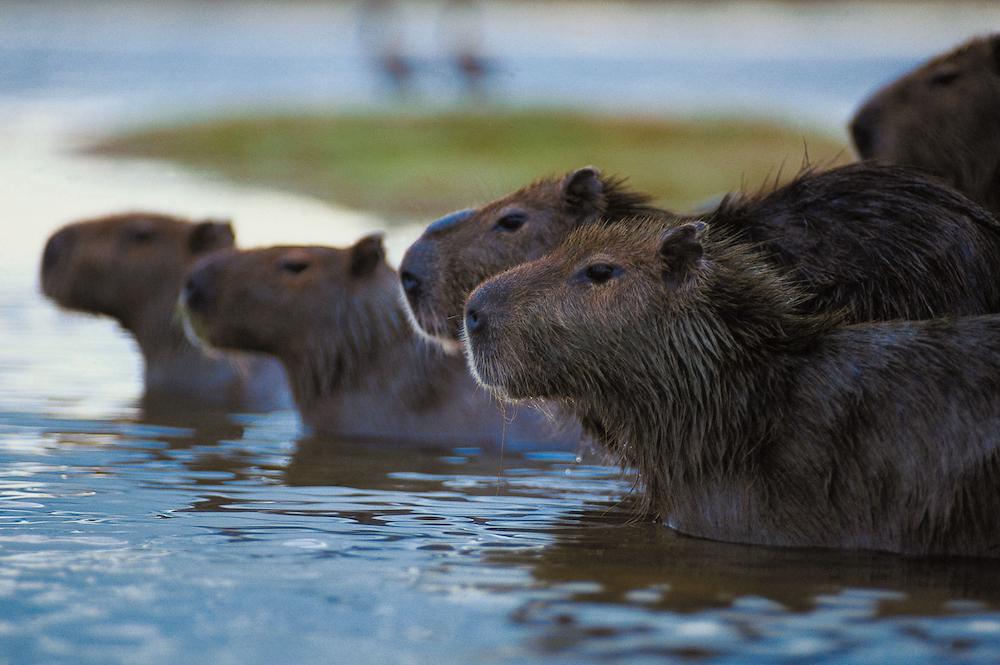
Credit: www.greenmatters.com
Capybara Conservation Efforts
Several steps help protect capybaras and their habitats. Conservation is not just about saving an animal; it’s about keeping the ecosystem healthy.
- Protected areas: Many capybaras live in national parks and nature reserves. These areas limit hunting and protect wetlands.
- Sustainable hunting: In some places, hunting is controlled by law. This ensures capybara numbers stay healthy.
- Wetland restoration: Groups work to clean and restore rivers and swamps, helping not just capybaras, but many other species.
A less obvious fact: capybaras benefit from living near humans in some cases. In suburban areas with water, capybaras sometimes thrive because fewer predators are present. But this can lead to conflicts, especially when capybaras eat crops or block roads.
Why Capybaras Matter
Capybaras play an important role in their ecosystem. They are herbivores and help control plant growth in wetlands. Their droppings add nutrients to the water, supporting fish and other wildlife. Predators like jaguars, anacondas, and caimans rely on capybaras for food.
There’s another point many people miss: capybaras are a “keystone species” in some habitats. This means that if their numbers drop, many other plants and animals can also suffer.
Human Interaction And Capybara Adaptability
Capybaras have shown they can live close to people, but this brings new challenges. In some cities, they are seen in parks, golf courses, and even backyards. While this shows their adaptability, it also increases risks—like car accidents or disease transmission.
A surprising insight: capybaras’ calm, social behavior makes them less likely to flee from humans, which sometimes puts them in danger from pets, cars, or illegal hunters.
Here’s a comparison of capybara threats in rural vs. urban areas:
| Threat | Rural Areas | Urban Areas |
|---|---|---|
| Hunting | High | Low |
| Habitat loss | Medium | High |
| Vehicle accidents | Low | High |
| Predators | High | Low |
The Future For Capybaras
Capybaras are not endangered today, but that doesn’t mean they are safe forever. Climate change, pollution, and human expansion are growing problems. Protecting wetlands and enforcing hunting laws will be key to keeping capybaras common in the wild.
One thing to remember: even animals that seem “safe” can become threatened if we ignore the risks. Keeping an eye on capybaras helps us protect other species and the health of South America’s wetlands.
If you want more details about capybara status and conservation, check the Wikipedia page on Capybaras.
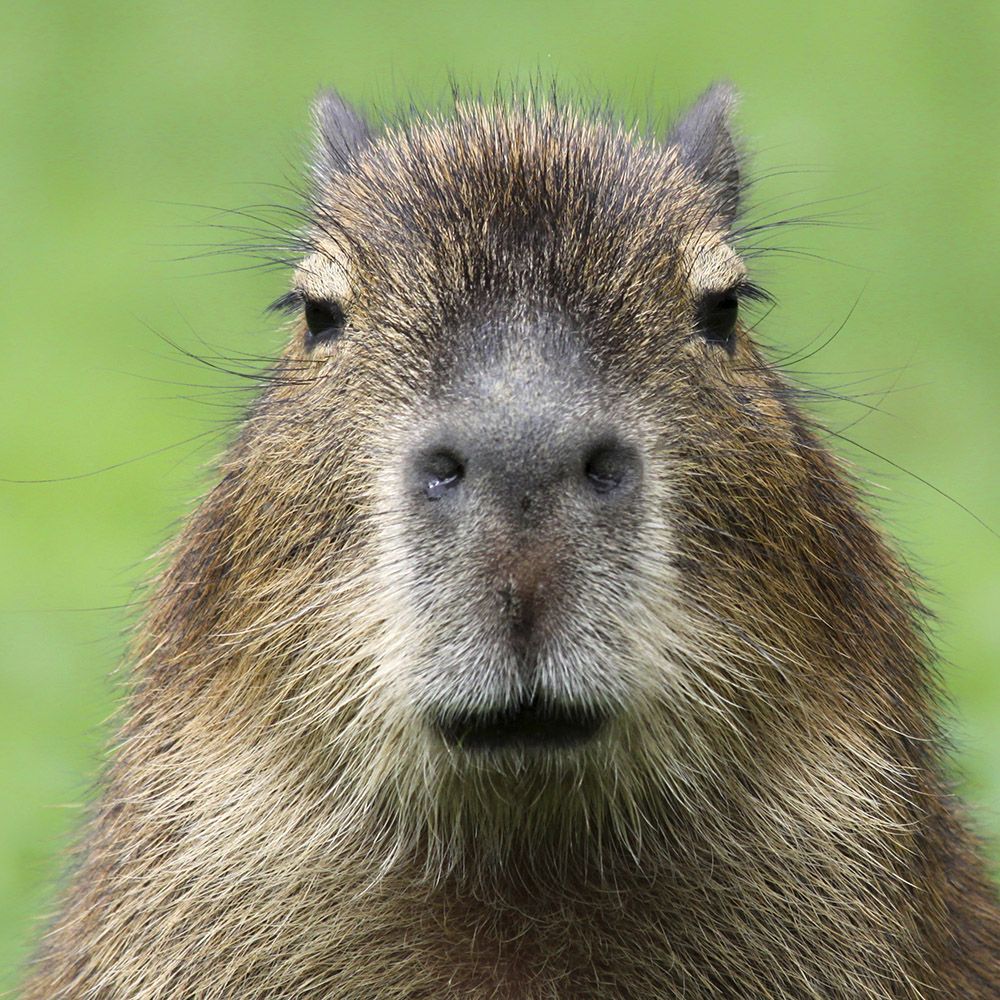
Credit: www.rainforest-alliance.org
Frequently Asked Questions
Are Capybaras Endangered?
No, capybaras are not endangered. They are listed as Least Concern by the IUCN, meaning their population is stable across most of South America.
What Is The Biggest Threat To Capybaras?
The main threats are habitat loss, hunting, and water pollution. Climate change is also a growing concern for their wetland habitats.
Where Do Capybaras Live?
Capybaras are found in almost all South American countries, especially in Brazil, Venezuela, and Colombia. They live near rivers, swamps, and lakes.
Are Capybaras Hunted For Their Meat?
Yes, capybaras are sometimes hunted for meat and leather. Laws control hunting in many countries to keep populations healthy.
What Can Be Done To Help Capybaras?
Protecting wetlands, following hunting laws, and supporting conservation groups are the best ways to help capybaras and their environment.
Capybaras are a reminder that even common animals need care and attention. By learning about their needs and protecting their homes, we help make sure they stay a part of South America’s wild places for years to come.


