

Capybaras are fascinating animals that often capture attention for their gentle nature and unique looks. But when it comes to their daily habits, many people wonder: are capybara nocturnal? Do they prefer to be awake at night, or are they more active during the day? Understanding their activity patterns not only helps us know them better but also explains why they behave the way they do in the wild and in captivity.
Capybara Activity Patterns
Capybaras are the world’s largest rodents, native to South America. Their daily rhythm is influenced by the environment, climate, and the presence of predators. Unlike animals that are strictly nocturnal (active at night) or diurnal (active during the day), capybaras are crepuscular. This means they are most active during dawn and dusk.
Crepuscular habits help capybaras avoid the hottest parts of the day and reduce the risk of meeting predators. In the wild, these giant rodents can be seen feeding in the early morning and late afternoon. They spend midday resting in the shade or soaking in water to cool down.
How Capybara Behavior Changes With Environment
Capybaras are adaptable. In areas where human activity is high, they may shift to being more nocturnal. This change helps them avoid people and potential threats. In regions with fewer humans, they stick to their crepuscular routine. This adaptability is one of their survival secrets.
Some studies show that in places with many natural predators, capybaras may also become more active at night to stay safe. However, they rarely become completely nocturnal. Their flexible activity patterns are a great example of how animals adjust their behavior for survival.
Comparing Capybara Habits: Wild Vs. Captivity
Capybaras behave differently in the wild compared to zoos or as pets. Their routines depend on food availability, space, and security.
| Environment | Most Active Time | Main Reason |
|---|---|---|
| Wild | Dawn & Dusk | Temperature & Predator Avoidance |
| Near Humans | Night | Avoiding Human Activity |
| Captivity | Flexible | Feeding Schedules & Safety |
In captivity, capybaras often become more active during the day. This is because their food is given at regular times, and they feel safe from predators. They may also rest more, as they do not need to stay alert for threats.
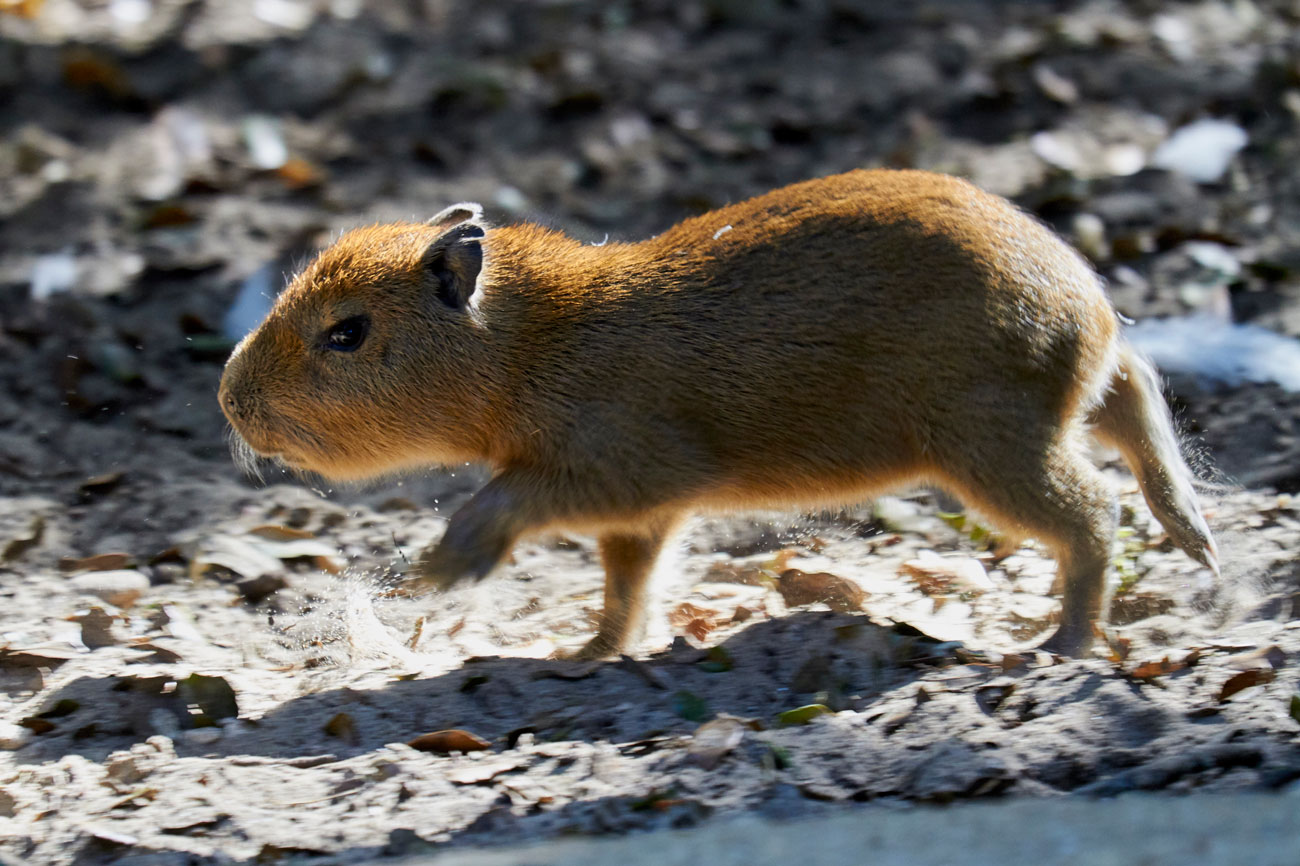
Credit: www.zoo-palmyre.fr
Daily Life Of A Capybara
A typical day for a capybara involves a mix of feeding, resting, and socializing. Here’s how their daily routine usually looks:
- Early morning: Grazing on grasses and aquatic plants.
- Midday: Resting in the shade or water to stay cool.
- Late afternoon: More feeding and social interaction.
- Night: Some activity, especially in areas with human presence.
Capybaras are social animals, often found in groups of 10-20. Group living helps them stay safe, as more eyes can watch for danger. They communicate using sounds, scents, and body language.
Capybara Sleep Patterns
Capybaras need about 4-6 hours of sleep per day, but they do not sleep in one long stretch. Instead, they take short naps throughout the day and night. This helps them stay alert to danger. In safe environments, like zoos, they may sleep longer and more deeply.
| Location | Average Sleep Per Day | Sleep Style |
|---|---|---|
| Wild | 4-6 hours | Short naps, light sleep |
| Captivity | 5-7 hours | Longer naps, deeper sleep |
A non-obvious fact: Capybaras can sleep with their eyes open. This helps them stay alert and react quickly if a predator approaches.

Credit: www.livescience.com
Factors Influencing Capybara Activity
Several factors can change when capybaras are active:
- Temperature: They avoid the midday heat by resting or swimming.
- Predators: In areas with jaguars or caimans, they stay alert and may become more nocturnal.
- Human Activity: In busy areas, they shift their activity to nighttime.
- Food Availability: Scarce food can make them forage at unusual times.
Another insight: Capybaras have webbed feet, which makes them strong swimmers. They often escape danger by diving into water, sometimes staying submerged for up to five minutes.
Capybara Adaptations For Survival
The crepuscular nature of capybaras is just one of their survival tools. Their ability to adjust activity patterns, swim well, and live in groups helps them survive in different environments.
They also have a unique digestive system that lets them eat tough grasses and digest them twice. This process, called coprophagy, is common in rodents and helps them get more nutrients.
Their social structure is another key adaptation. Living in groups allows for better protection and more efficient foraging.

Credit: www.worldatlas.com
Frequently Asked Questions
Are Capybaras Completely Nocturnal?
No, capybaras are not completely nocturnal. They are mostly crepuscular, meaning they are most active at dawn and dusk. In some environments, they may become more active at night to avoid humans or predators.
Do Capybaras Sleep During The Day?
Yes, capybaras often rest or nap during the day, especially when it is hot. They take short naps rather than sleeping for long periods.
How Do Capybaras Avoid Predators?
Capybaras use several strategies: being most active at safer times (dawn and dusk), living in groups, and escaping into water. Their excellent swimming ability helps them avoid land predators.
Can Capybaras Change Their Activity Based On Where They Live?
Yes, capybaras are very adaptable. In areas with lots of people, they may be more active at night. In safe, natural habitats, they follow a dawn and dusk routine.
What Animals Are Capybaras Afraid Of?
Capybaras are cautious of jaguars, caimans, anacondas, and sometimes humans. These animals pose the most danger, so capybaras adjust their habits to stay safe.
Capybaras are not truly nocturnal, but their ability to adapt makes them interesting and resilient animals. Whether in the wild or in zoos, understanding their routines helps us care for and appreciate these gentle giants. If you want to learn more about capybara behavior, check out the detailed information provided by the Wikipedia Capybara Page.


