

Capybaras are some of the most fascinating animals in the world. Their calm faces, large size, and friendly nature have made them popular online and in zoos. But as more people see capybaras as pets or in the wild, a common question comes up: Are capybara poisonous? This is not just a question for pet owners. Hikers, parents, and animal lovers want to know if these gentle-looking creatures are safe to be around.
Let’s explore the facts about capybara toxicity, their behavior, and what you should know before getting close to these unique animals.
What Are Capybaras?
Capybaras are the world’s largest rodents. Native to South America, they live near rivers, lakes, and swamps. Adults can weigh up to 66 kg (145 lbs) and grow over 1 meter (4 feet) long. Their webbed feet help them swim easily, and their diet is mostly grass and water plants.
People often compare them to giant guinea pigs. This is not far off—capybaras are related to guinea pigs and chinchillas.
Are Capybaras Poisonous Or Venomous?
The short answer is no, capybaras are not poisonous or venomous. They do not have toxic saliva, venom glands, or chemical defenses in their fur or skin. Their bite is not toxic. This means a capybara will not poison you if you touch, pet, or are bitten by one.
What’s the difference between poisonous and venomous? Poisonous means an animal is dangerous if you eat or touch it. Venomous means it injects toxins, like a snake or wasp. Capybaras are neither.
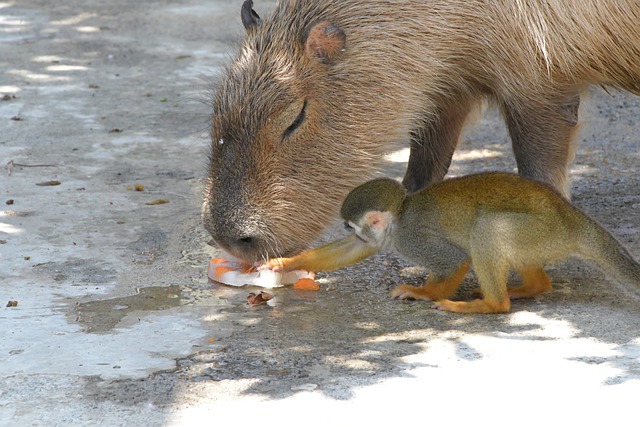
Credit: capybarafacts.com
Can Capybaras Be Dangerous?
While capybaras are not poisonous, that does not mean they are always safe. They are wild animals, and, like any animal, they can defend themselves if threatened.
- Bite Risk: Capybaras have large, sharp teeth. They use these to eat tough plants, but they can bite if scared. Their bites can break the skin and cause infection, but not from poison.
- Disease Carriers: Capybaras can carry ticks, fleas, and other parasites. These can sometimes pass diseases to humans or pets. This is not unique to capybaras—most wild animals carry some risk.
- Aggression: While usually gentle, capybaras can be territorial, especially males during mating season.
Here is a quick comparison of capybaras and other common animals:
| Animal | Poisonous | Venomous | Common Risks |
|---|---|---|---|
| Capybara | No | No | Bites, parasites |
| Guinea Pig | No | No | Minor bites |
| Rat | No | No | Bites, disease risk |
| Snake (some species) | Some | Some | Venomous bite |
What If A Capybara Bites You?
Capybara bites are rare, but they can happen if the animal feels trapped or threatened. Their teeth are strong, so bites can hurt. However, the risk is from the wound, not from poison.
If you are bitten:
- Wash the wound right away with soap and water.
- See a doctor if the bite is deep, bleeds a lot, or shows signs of infection.
- Watch for swelling, redness, or pus—these may need antibiotics.
Unlike snakes or spiders, you do not need anti-venom or special treatments for capybara bites.
Are Capybaras Safe Pets?
Capybaras are becoming more popular as exotic pets. They are gentle, social, and get along with other animals. But there are some important things to think about before keeping one as a pet.
Pros Of Capybara Pets
- Gentle nature: Capybaras are friendly if socialized young.
- Low toxicity risk: No poison or venom.
- Social animals: They like company and often bond with other pets.
Cons Of Capybara Pets
- Space needs: Capybaras need a large yard with a pool or pond.
- Legal issues: Some places ban capybara ownership.
- Special care: They need grass, water, and room to roam.
Here’s a quick look at what you need for a pet capybara:
| Requirement | Details |
|---|---|
| Space | 100+ square meters, pond or pool |
| Diet | Fresh grass, hay, vegetables |
| Social Needs | At least one companion |
| Legal Status | Check local laws |
Capybaras And Children
Many parents wonder if capybaras are safe around kids. In general, capybaras are calm and not aggressive. However, children should always be supervised, especially if the capybara is not familiar with them.
- Teach children not to chase or grab the animal.
- Do not let children feed a capybara by hand until the animal is used to them.

Credit: www.youtube.com
Capybaras In The Wild
Capybaras live in groups of 10–20 animals. They are most active at dawn and dusk. In the wild, they face predators like jaguars, anacondas, and caimans. Humans do not need to fear capybaras—they usually run or swim away from people.
Some people eat capybara meat in South America. This is considered safe, as capybara flesh is not poisonous. However, wild capybaras may carry parasites, so proper cooking is important.
Non-obvious Insights
Most people do not realize that capybaras have a special scent gland on their nose, called a morillo. Males use it to mark territory. This gland is not toxic, but some people may be allergic to animal secretions.
Another overlooked fact: capybaras can carry leptospirosis, a disease spread through water contaminated with animal urine. This is not unique to capybaras, but it’s a reminder to avoid swimming in water where wild animals live.
How To Safely Enjoy Capybaras
- Observe capybaras from a distance in the wild.
- If you visit a petting zoo, follow staff instructions.
- Wash hands after touching any animal.
- Do not feed wild capybaras.
- Learn about local laws before considering one as a pet.
Frequently Asked Questions
Are Capybara Bites Poisonous?
No, capybara bites are not poisonous. The risk is from infection due to bacteria, not from toxins.
Can You Get Sick From Touching A Capybara?
You can get sick from bacteria or parasites on their fur or skin, but not from poison. Always wash your hands after touching any wild animal.
Do Capybaras Have Any Natural Toxins?
No, capybaras do not produce toxins. They do not have poisonous skin, saliva, or fur.
Are Capybaras Safe To Eat?
Yes, capybara meat is safe if cooked properly. In some parts of South America, it is a traditional food. Make sure the meat is well-cooked to avoid parasites.
Where Can I Learn More About Capybaras?
You can find more information at the Wikipedia page on Capybaras for detailed facts and research.
Capybaras are not poisonous, and they are generally safe to observe or keep as pets with proper care. With a gentle approach, respect for their needs, and good hygiene, you can enjoy these amazing animals without worry.

Credit: www.reddit.com


