

Capybaras have become internet favorites, often seen cuddling with other animals or lounging peacefully in groups. Their gentle eyes and relaxed nature attract many who wonder if these animals are truly affectionate. To answer this, we need to look at their behavior in the wild, their interactions with humans, and how they connect with other animals.
Understanding capybara affection is not just about cute photos—it’s about their social structure, emotions, and the unique ways they show trust.
What Makes Capybaras Unique
Capybaras are the largest rodents in the world, native to South America. They live near water in large groups, sometimes over 20 individuals. This lifestyle shapes their social needs and behaviors. Unlike many wild animals, capybaras rarely show aggression. Instead, they rely on communication, grooming, and close contact to maintain peace.
Many people believe capybaras are always calm, but this is only part of the story. They have strong social instincts and need companionship. Without it, they become stressed or even depressed. This is important for anyone thinking of keeping capybaras as pets.
Signs Of Affection In Capybaras
Capybaras express affection in several ways that might surprise you. These behaviors are not just for humans—they use them with each other and sometimes with other animals.
- Grooming: Capybaras often nibble and lick each other. This grooming removes dirt, but it’s also a way to bond. If a capybara grooms you, it’s a sign of deep trust.
- Cuddling: These animals rest close together, often piling up in a heap. This contact helps them feel safe and shows their need for closeness.
- Gentle Sounds: Capybaras use soft whistles, purrs, and clicks to communicate. A relaxed capybara may purr when being petted, signaling enjoyment.
- Following Behavior: A capybara that follows a person or animal around is curious and comfortable. They don’t do this if they feel threatened.
- Relaxed Body Language: When a capybara lies down near you with its eyes half-closed, it feels safe. Tense or jumpy behavior means the opposite.

Credit: www.reddit.com
Capybaras And Humans: Building Trust
Bonding with a capybara takes time. Unlike dogs, capybaras don’t show instant affection to strangers. They need gentle handling and routine. Here’s what matters most:
- Patience: Rushing a capybara can break trust. Let them approach you.
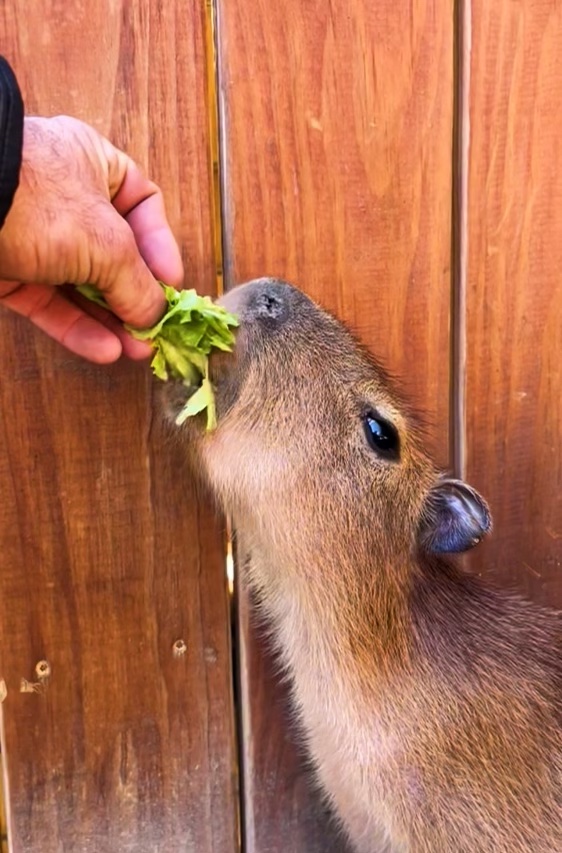
- Gentle Touch: Start with slow, light strokes. Watch for signs they enjoy it, like purring or staying close.
- Consistency: Regular feeding and care help capybaras feel secure.
Most owners notice that capybaras become more affectionate over weeks or months. They may greet you with soft sounds or sit beside you for long periods. However, every capybara is different. Some are more outgoing, while others stay shy.
Capybaras With Other Animals
One of the most fascinating things about capybaras is their friendly attitude toward other species. Videos show capybaras relaxing with ducks, cats, or even monkeys. But why does this happen?
Capybaras are not territorial. They accept other gentle animals in their space, especially if raised together. This is why zoos often keep capybaras with different species.
But there are limits. Not all animals are safe with capybaras. Aggressive dogs, for example, can stress or harm them. Always supervise new introductions and give capybaras a way to escape if needed.
Here’s a quick comparison of how capybaras interact with different animals:
| Animal Type | Capybara Reaction | Notes |
|---|---|---|
| Dogs | Careful, sometimes anxious | Best with calm breeds; supervision needed |
| Cats | Curious, friendly | Most capybaras accept cats easily |
| Birds | Gentle, tolerant | Capybaras often ignore or share space |
| Other Rodents | Playful, social | Enjoy company of guinea pigs, rabbits |
Credit: www.awsfzoo.com
Capybaras In The Wild Vs. Captivity
Behavior changes depending on the environment. In the wild, capybaras depend on group living for safety. They spend hours each day grooming, resting, and swimming together. This social system helps them survive.
In captivity, capybaras still crave social contact. When kept alone, they may become lonely or develop health problems. Zoos usually house capybaras in groups to meet these needs. Private owners should do the same.
Here’s how wild and captive capybaras compare:
| Aspect | Wild Capybaras | Captive Capybaras |
|---|---|---|
| Group Size | 10-20 (sometimes 100+) | 2-10 (depends on space) |
| Affection Displays | Grooming, cuddling in groups | Similar, but may extend to humans |
| Stress Levels | Lower in large groups | Higher if kept alone |
Why Capybaras Are Not Like Dogs Or Cats
Capybaras do not show affection in the same way as common pets. They rarely lick faces or wag tails. Instead, their affection is more subtle. For example:
- Sitting quietly beside you is a big sign of trust.
- Soft vocalizations are a capybara’s version of a purr.
- Allowing gentle touch means they are comfortable.
One key insight: capybaras can become stressed by too much handling or loud noise. Unlike dogs, they dislike rough play. Forcing affection can damage your relationship.
Common Mistakes When Interacting With Capybaras
Beginners often make errors that can harm their bond with these gentle animals:
- Keeping a single capybara: They need company for mental health.
- Moving too fast: Building trust takes weeks, not days.
- Ignoring body language: If a capybara moves away or hides, give it space.
- Not providing water: Capybaras relax and socialize best when they can swim.
- Letting children handle unsupervised: Kids may be too loud or rough.
Most problems start when people expect capybaras to act like other pets. Respecting their needs leads to a much closer bond.
The Science Behind Capybara Affection
Research shows that oxytocin, the “bonding hormone,” increases when capybaras groom or rest together. This is similar to what happens in humans and dogs. Studies also find that capybaras can recognize individual voices and faces, remembering those who treat them kindly.
Capybaras’ brains are wired for group living. They feel calmer and healthier when surrounded by others. This is why affection—whether toward their own kind, humans, or even different animals—is so important to them.
For more scientific background, see this Wikipedia page on capybaras.

Credit: twpark.com
Frequently Asked Questions
Do Capybaras Like To Cuddle With Humans?
Capybaras often enjoy sitting close and may allow gentle cuddling once trust is built. Not all capybaras seek physical affection, and many prefer just being near you rather than being held tightly.
Can Capybaras Live Alone?
No, capybaras are highly social and need at least one companion. Living alone can cause stress, depression, and health issues.
Are Capybaras Safe With Children?
Capybaras are generally gentle, but children should always be supervised. Quick movements or loud noises can frighten them.
How Do Capybaras Show Affection?
They use grooming, soft vocalizations, and by choosing to sit near someone. Affection is shown through calm, relaxed behavior rather than excitement.
Do Capybaras Get Along With Other Pets?
Capybaras can get along with calm pets like cats, rabbits, and some dogs. Every introduction should be gradual and monitored for safety.
Capybaras are affectionate in their own way—gentle, subtle, and deeply social. With patience and understanding, you can form a meaningful bond with these unique animals.


