

Are Capybaras Almost Extinct?
If you have seen photos of capybaras relaxing in hot springs or cuddling with other animals, you might wonder about their place in the wild. These large, friendly rodents are native to South America and are famous for their calm nature.
But behind their internet fame, there are questions about their survival. Are capybaras almost extinct? Or are their populations safe for now? This article explores the real story behind capybara conservation, threats, and what the future holds for these unique animals.
The Capybara: An Overview
Capybaras are the largest rodents in the world. Adults can weigh between 35 and 66 kg (77–146 lbs) and measure about 1.2 meters (4 feet) in length. They are semi-aquatic, spending much of their time near rivers, lakes, and wetlands. Their webbed feet and dense fur help them move easily in water.
Capybaras are herbivores, feeding mostly on grasses, aquatic plants, and fruit. They live in groups, usually with 10–20 members, but sometimes up to 100 during the dry season. These groups provide safety from predators like jaguars, caimans, and anacondas.
Are Capybaras Endangered?
According to the International Union for Conservation of Nature (IUCN), capybaras are currently listed as Least Concern. This means they are not considered endangered or close to extinction. Their population remains stable across most of their range.
However, the situation is not the same everywhere. In some regions, local populations have fallen due to hunting, habitat loss, and changes in water systems. While the species as a whole is not at risk, certain areas face real problems.
| Region | Capybara Status | Main Threats |
|---|---|---|
| Brazil | Stable | Hunting, urbanization |
| Venezuela | Decreasing in some areas | Overhunting |
| Argentina | Stable | Wetland loss |
| Colombia | Stable | Water pollution |
Credit: www.greenmatters.com
Threats Facing Capybaras
Even though capybaras are not globally endangered, they face several threats in the wild:
1. Habitat Loss
Wetland drainage, farming, and urban growth destroy the capybara’s natural home. When wetlands disappear, capybaras lose their food and shelter.
2. Hunting
In some countries, capybaras are hunted for their meat and skin. For example, in Venezuela, hunting is common during the dry season, when capybaras gather at shrinking water sources.
3. Climate Change
Changes in rainfall and temperature affect river levels and wetland size. This can reduce the areas where capybaras can live.
4. Water Pollution
Pesticides, sewage, and industrial waste can poison water sources. Capybaras are sensitive to pollution since they spend much of their lives in or near water.
5. Conflicts With Humans
Sometimes, capybaras enter farmlands and eat crops. Farmers may see them as pests and may trap or kill them.
One insight that many beginners miss is that capybaras adapt well to some human changes. In certain places, they thrive in man-made ponds, golf courses, and parks. However, this adaptation can create new problems, such as car accidents or disease spread.
Conservation Efforts
Many South American countries have taken steps to protect capybaras:
- Hunting regulations: For example, Venezuela issues hunting permits and sets closed seasons to avoid overhunting.
- Protected areas: Wetlands and riverbanks in countries like Brazil and Argentina are set aside as reserves, helping capybara populations remain stable.
- Community involvement: In some places, local people help monitor capybara numbers and report illegal hunting.
- Eco-tourism: Capybara watching is popular in some regions, encouraging locals to see them as valuable wildlife rather than food.
Not all efforts are equally effective. One non-obvious challenge is that capybaras breed quickly—a female can give birth to 4–8 pups per year. This helps populations recover from losses, but if hunting and habitat loss are too severe, even fast breeding cannot keep up.
Credit: www.rainforest-alliance.org
Capybara Population: Facts And Data
It’s hard to know the exact number of capybaras in the wild, but researchers estimate that there are millions across South America. In the Brazilian Pantanal alone, there may be over 1 million individuals.
Here is a quick comparison of capybara population trends in major countries:
| Country | Estimated Population | Trend |
|---|---|---|
| Brazil | 1,000,000+ | Stable |
| Venezuela | Hundreds of thousands | Declining in some areas |
| Argentina | Unknown | Stable |
| Colombia | Unknown | Stable |
It’s important to note that while numbers are strong now, local declines can be hard to reverse if they go unnoticed for too long.
How Capybaras Help Their Ecosystem
Capybaras are more than just cute animals. They play a key role in their environment. By grazing on grass and plants, they help shape the wetland landscape. Their waste adds nutrients to the soil and water, supporting plant growth.
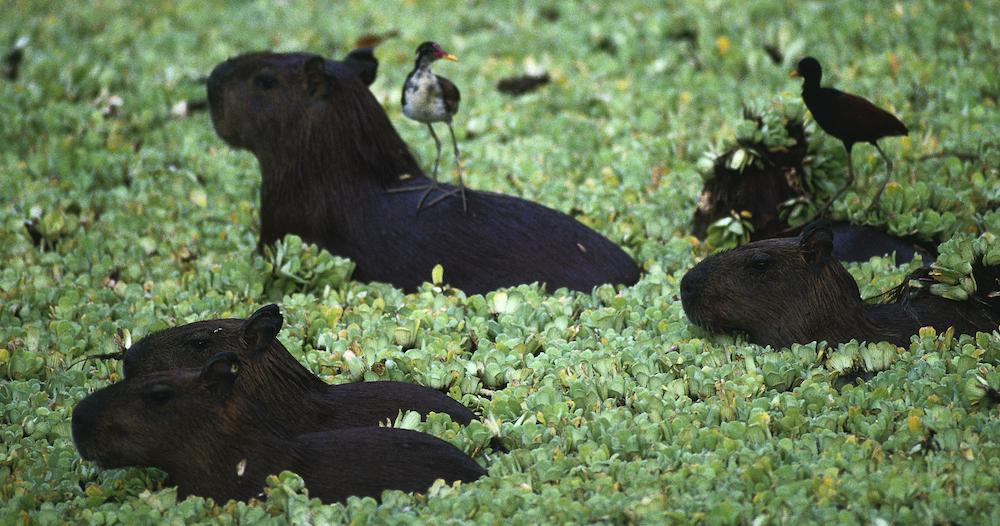
Also, many other animals depend on capybaras. Predators like caimans, jaguars, and large birds rely on them as a food source. Some birds pick insects from their backs, and other animals use their paths to reach water.
Without healthy capybara populations, wetland ecosystems could change in ways that affect many other species.

Credit: www.britannica.com
What Can Be Done To Protect Capybaras?
If you care about capybaras, here are some ways to help:
- Support wetland conservation groups working in South America.
- Learn about the products you buy—avoid items that cause habitat destruction.
- Spread awareness about responsible hunting and wildlife laws.
- Encourage eco-friendly tourism that respects wildlife.
A practical tip: Many people don’t realize that small actions—like supporting sustainable farming—can have a positive effect far from home. Habitats for capybaras and other animals depend on the choices people make every day.
For more details about the capybara’s status, visit the Wikipedia page on Capybaras.
Frequently Asked Questions
Are Capybaras Endangered?
No, capybaras are not endangered. They are listed as Least Concern by the IUCN. Some local populations have problems, but the species is not close to extinction.
How Many Capybaras Are Left In The World?
There are likely millions of capybaras across South America. Populations are strong in countries like Brazil, but in some areas, numbers are falling due to hunting and habitat loss.
Why Do People Hunt Capybaras?
People hunt capybaras for their meat and skin. In some cultures, capybara meat is considered a delicacy, especially during certain festivals or religious periods.
Can Capybaras Live Outside South America?
Capybaras are sometimes kept as pets or found in zoos outside South America. However, they need warm climates and access to water, making them hard to care for in many places.
What Is The Biggest Threat To Capybaras?
The biggest threats are habitat loss and overhunting in some regions. Pollution and conflict with humans also create risks, but overall, their ability to adapt has helped them survive.
Capybaras are not close to extinction, but they still need protection. Their story is a reminder that even common animals can face serious problems if we are not careful. By learning about their needs and supporting conservation, we can help keep capybaras safe for generations to come.


