

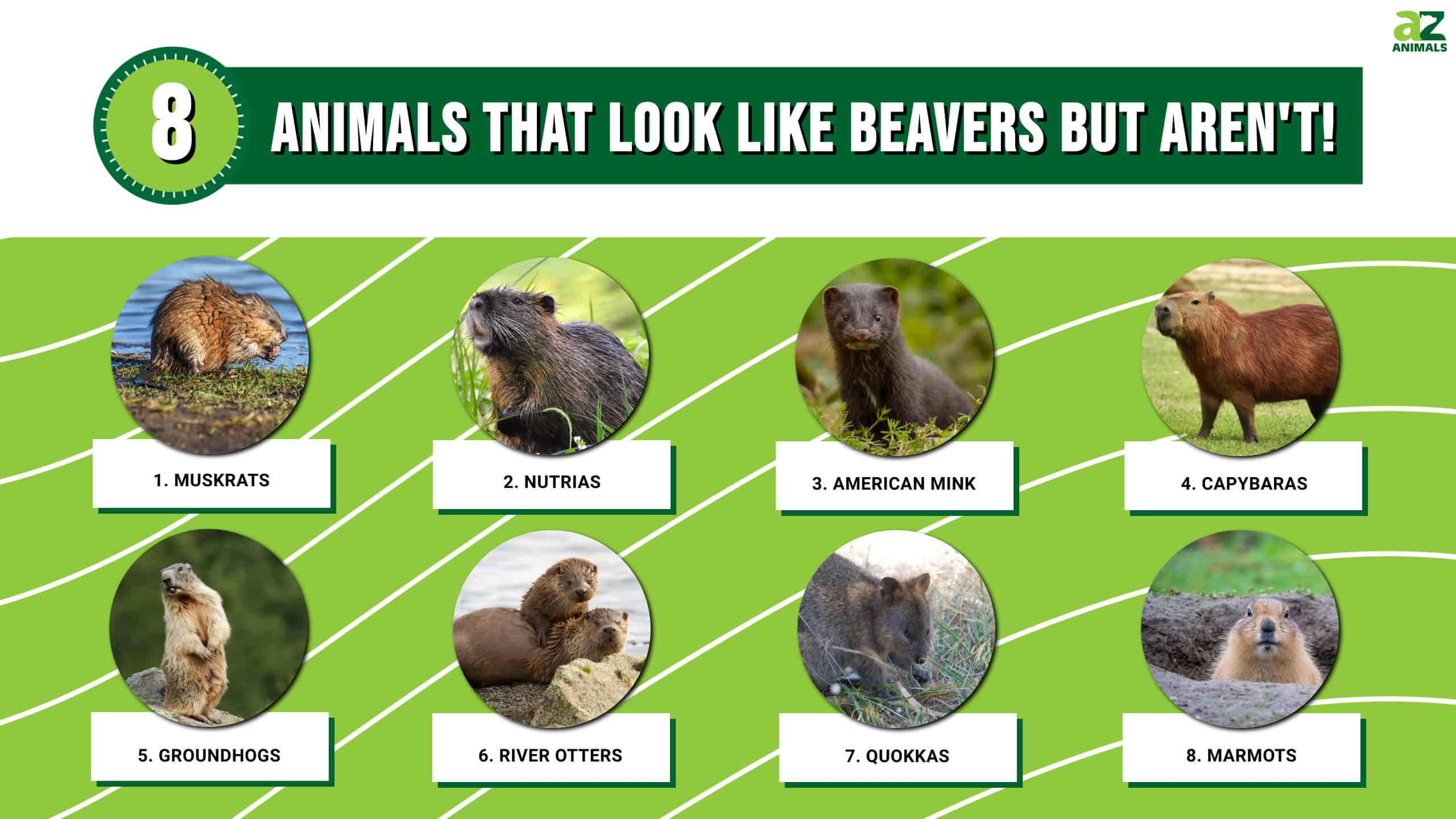
Many people find capybaras and beavers fascinating. Both animals are often seen in water, have large front teeth, and seem peaceful. But are capybaras and beavers actually related? At first glance, they may look similar, but their family ties tell a different story. Understanding how these animals are connected—or not—helps us learn more about nature and evolution. Let’s dive into the world of capybaras and beavers to see what makes them unique, and how their lives connect—or separate—across the animal kingdom.
What Are Capybaras?
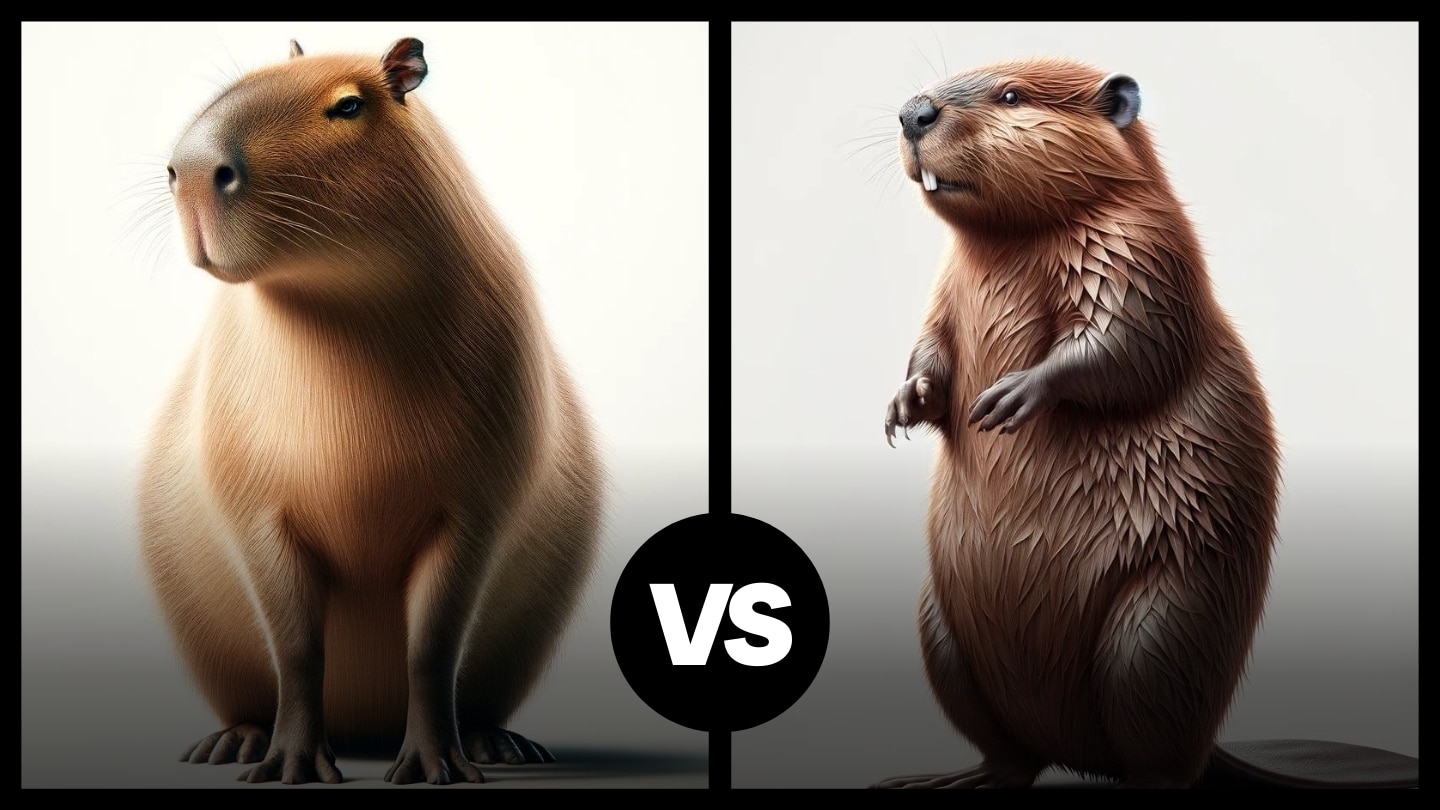
Capybaras are the largest rodents in the world. They live in South America and can weigh up to 66 kg (145 lbs). Capybaras have short, brown fur, webbed feet, and a round face. They love water and spend much of their time swimming or sitting in rivers and lakes.
Capybaras are social animals. They live in groups of 10 to 20, sometimes even more during the dry season. Their diet is simple: mostly grasses and aquatic plants. Because they are rodents, their front teeth grow all the time. They need to chew often to keep their teeth short.
What Are Beavers?
Beavers are well-known for building dams and lodges. There are two main species: the North American beaver and the Eurasian beaver. Beavers are smaller than capybaras, usually weighing around 18-32 kg (40-70 lbs). They have broad, flat tails and thick brown fur.
Beavers are famous engineers. They cut down trees with their strong teeth to make dams, which create ponds for their homes. These ponds help them stay safe from predators. Beavers eat mostly tree bark, twigs, and leaves. Like capybaras, their teeth never stop growing.
Comparing Capybaras And Beavers
On the surface, capybaras and beavers may look similar, but many differences set them apart. The table below shows some key comparisons:
| Feature | Capybara | Beaver |
|---|---|---|
| Continent | South America | North America, Europe, Asia |
| Weight | 35–66 kg | 18–32 kg |
| Tail | Short, almost invisible | Wide, flat, paddle-shaped |
| Habitat | Rivers, lakes, wetlands | Streams, rivers, ponds |
| Diet | Grasses, plants | Bark, leaves, twigs |
Are Capybaras And Beavers Related?
To answer this question, we need to look at rodent family trees. Both animals are rodents, which means they are part of the order Rodentia. This is the largest group of mammals on earth, with over 2,000 species.
However, capybaras and beavers are not close relatives. The capybara belongs to the family Caviidae, while the beaver belongs to the family Castoridae. They split from each other over 50 million years ago. Their similarities come from living in similar habitats, not from being closely related.
Here is a simple view of their place in the rodent family:
| Animal | Family | Order |
|---|---|---|
| Capybara | Caviidae | Rodentia |
| Beaver | Castoridae | Rodentia |
Both are rodents, but their families are very different. This is why capybaras do not build dams, and beavers do not graze on grass in large groups.
Credit: a-z-animals.com
Why Do Capybaras And Beavers Look Similar?
The reason is convergent evolution. This means animals from different backgrounds can develop similar features if they live in similar ways. For capybaras and beavers, living near water and eating plants led to strong teeth and good swimming skills. But their ancestors were different, and they evolved these traits separately.
Another example of convergent evolution is the dolphin and the shark. Both swim and have streamlined bodies, but one is a mammal and the other a fish.
Unique Behaviors And Adaptations
Capybaras spend much of their day in water to stay cool and avoid predators like jaguars and caimans. They can even sleep with their noses above water and the rest of their body submerged.
Beavers, on the other hand, change their environment in big ways. Their dams slow down water, create wetlands, and help other animals. In fact, beavers are called ecosystem engineers.
Here is a quick comparison of their special adaptations:
| Adaptation | Capybara | Beaver |
|---|---|---|
| Webbed feet | Yes | Yes |
| Dam building | No | Yes |
| Large social groups | Yes | No |
| Vegetarian diet | Yes | Yes |
Credit: capybaramag.com
Surprising Facts Beginners Miss
- Capybaras are closely related to guinea pigs, not to beavers.
- Beavers can change landscapes so much that new ponds and forests appear because of their work.
- Capybaras can hold their breath underwater for up to five minutes, hiding from danger.
- Beavers have a special oil in their fur that keeps them dry, even when swimming in cold water.
Capybaras And Beavers In Culture
Both animals are important in their home countries. Capybaras are popular in South American stories and even appear as pets in some places. Beavers are a symbol of Canada and are featured on coins and stamps. Their image often means hard work and teamwork.

Credit: biodiversityofbolivia.weebly.com
Final Thoughts
So, are capybaras and beavers related? The answer is no—they are both rodents, but their families and histories are very different. They look and act alike because they live in water and eat plants, not because they are cousins. Understanding these differences helps us respect how nature shapes animals in unique ways. If you want to know more about rodents and their families, you can visit the Rodent Wikipedia page.
Frequently Asked Questions
Are Capybaras And Beavers The Same Animal?
No, capybaras and beavers are not the same. They belong to different families and live on different continents.
Do Capybaras Build Dams Like Beavers?
No. Only beavers build dams. Capybaras do not change their environment this way.
Can Capybaras And Beavers Live Together?
It is very rare. Capybaras live in South America, beavers live in North America, Europe, and Asia. They do not meet in the wild.
Are Capybaras Related To Guinea Pigs?
Yes, capybaras are closely related to guinea pigs. Both are part of the Caviidae family.
Why Are Beavers Important For The Environment?
Beavers create wetlands by building dams. These wetlands help many other animals and plants survive.


