

Are Capybaras Australian
The world’s largest rodent, the capybara, often surprises people with its gentle nature and unusual appearance. Many people see photos of capybaras lounging beside water or sitting with other animals and wonder where these creatures come from. A common question is whether capybaras are from Australia. Let’s explore this question in detail, clear up the confusion, and learn more about these fascinating animals.
Where Do Capybaras Come From?
Capybaras are not native to Australia. Their true homeland is South America, where they live in countries like Brazil, Venezuela, Colombia, and Argentina. These animals prefer wetlands, rivers, and swamps, spending much of their time in or near water. The confusion often comes because Australia is also famous for unique animals, but capybaras are not one of them.
To understand this better, here’s a quick look at the natural habitats of capybaras and how they compare to Australia:
| Region | Capybara Native? | Main Habitat Type |
|---|---|---|
| South America | Yes | Rivers, lakes, wetlands |
| Australia | No | Deserts, forests, grasslands |
As the table shows, capybaras are linked to South American wetlands, not the Australian landscape.
Why Do People Think Capybaras Are Australian?
There are a few reasons for this common mistake:
- Unusual appearance: Capybaras look very different from common pets. Some people think their odd look means they must come from a place with other unique animals, like Australia.
- Mix-up with marsupials: Australia is home to marsupials like kangaroos and wombats. While capybaras are rodents, their size and body shape sometimes remind people of these animals.
- Viral internet photos: Capybaras often appear online with all sorts of animals, making it seem like they could live anywhere.
Capybaras Vs. Australian Animals
To see how capybaras compare to well-known Australian animals, consider the following:
| Animal | Native Region | Key Features |
|---|---|---|
| Capybara | South America | Large rodent, semi-aquatic, social |
| Kangaroo | Australia | Marsupial, strong legs, hopper |
| Wombat | Australia | Marsupial, burrower, chunky body |
Capybaras are rodents, not marsupials, and they do not have pouches. Their closest relatives are guinea pigs, not kangaroos or wombats.
Capybara Facts Everyone Should Know
If you want to understand capybaras better, here are some important facts:
- Scientific name: Hydrochoerus hydrochaeris
- Size: Adults can reach up to 66 kg (145 lbs)
- Diet: Herbivores, eating grasses and aquatic plants
- Lifespan: Around 8-10 years in the wild
- Behavior: Very social, often found in groups of 10-20
- Swimming skills: Excellent swimmers, can hold their breath for up to 5 minutes
A unique thing about capybaras is their calm temperament. They are often seen relaxing with turtles, birds, and even monkeys. This easygoing attitude is one reason for their popularity online.

Credit: taronga.org.au
Can Capybaras Live In Australia?
While capybaras are not native to Australia, people sometimes wonder if they could survive there. In theory, some parts of Australia have the right climate, but there are several reasons why capybaras are not found in the wild in Australia:
- Strict animal import laws: Australia has some of the world’s toughest rules about bringing in foreign species. This is to protect local wildlife and prevent new pests.
- No established populations: There are no known wild capybara groups in Australia. Any capybaras in the country are in zoos or wildlife parks.
- Ecosystem risk: If capybaras escaped, they could become invasive, harming Australian plants and animals.
Capybaras As Pets: Not In Australia
People who see cute capybara videos sometimes want one as a pet. However, in Australia, owning a capybara as a pet is generally illegal. The reasons include:
- Biosecurity risks: Capybaras could bring diseases or outcompete native animals.
- Special care needs: Capybaras need lots of space, water, and a group for socializing.
- Legal restrictions: Australian states have strict rules on exotic pets.
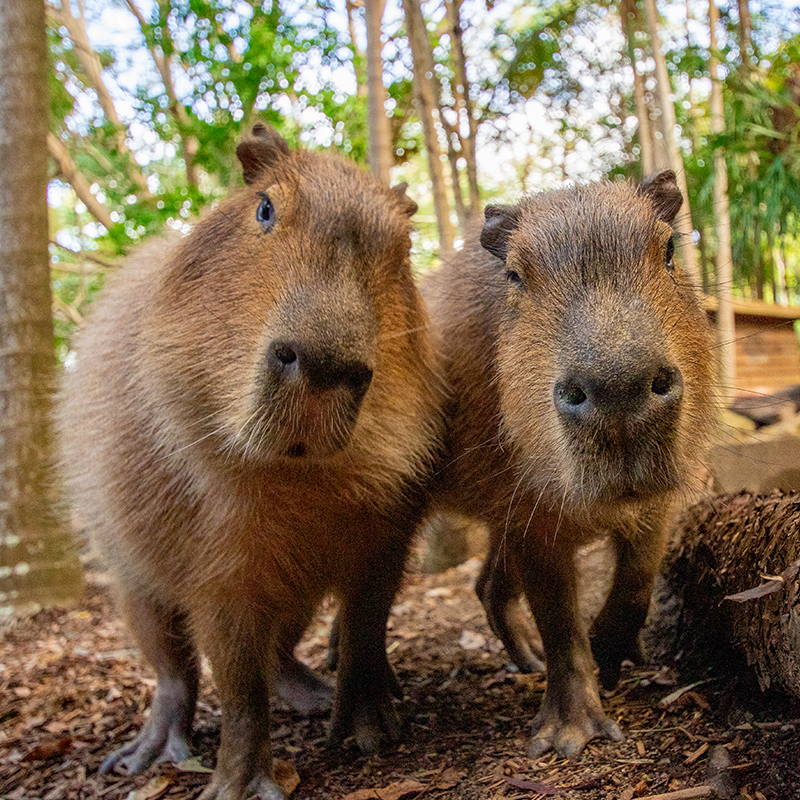
If you want to see a capybara in Australia, your best option is to visit a zoo or wildlife sanctuary.
Credit: currumbinsanctuary.com.au
Unique Capybara Behaviors (that May Surprise You)
Capybaras do a few things that beginners often miss:
- Vocal communication: Capybaras make a range of sounds, from whistles to barks. These sounds help them stay together and warn of danger.
- Mutual grooming: They groom each other to build social bonds and remove parasites.
- Scent marking: Capybaras use scent glands to mark territory, especially males.
These behaviors show that capybaras are not only social but also have complex ways to interact with each other.
Global Capybara Distribution
To see just how widespread capybaras are in their home range, look at this summary:
| Country | Capybara Population Status |
|---|---|
| Brazil | Common |
| Venezuela | Common |
| Argentina | Localized |
| Australia | Absent (except in zoos) |
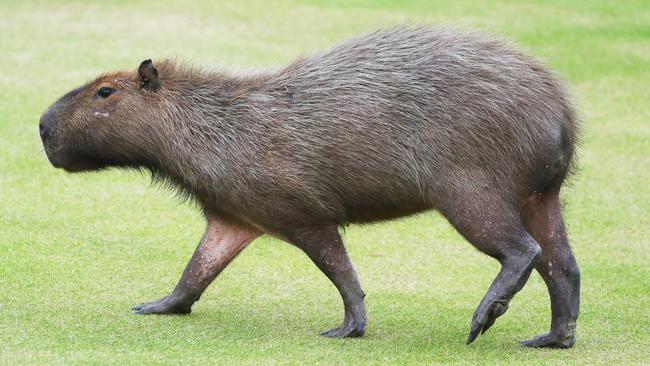
As you can see, Australia is not part of the capybara’s natural range.
Credit: www.foxsports.com.au
Frequently Asked Questions
Are Capybaras Related To Kangaroos?
No, capybaras are rodents, while kangaroos are marsupials. They are not closely related.
Can You Keep A Capybara As A Pet In Australia?
Generally, no. Australian laws do not allow capybaras as pets due to environmental risks.
Do Capybaras Have Pouches Like Marsupials?
No, only marsupials like kangaroos and wombats have pouches. Capybaras do not.
Where Can I See A Capybara In Australia?
The best place is at a zoo or wildlife park. Some larger zoos have capybaras on display.
How Are Capybaras Different From Guinea Pigs?
Capybaras are much larger and semi-aquatic, but both belong to the rodent family.
Capybaras may look like they belong in Australia, but their true home is in the wetlands of South America. Understanding their origins helps us appreciate their unique place in the animal kingdom and avoids confusion. If you want to learn more about capybaras, check out this Wikipedia article for in-depth details. These gentle giants remain one of the most interesting animals on the planet, no matter where you find them.


