

Are Capybaras Big Rats?
Many people see a capybara for the first time and wonder, “Is that a giant rat?” The confusion is understandable. Capybaras have a round body, small ears, and a face that looks a bit like a rodent. But are they really just big rats? The answer is more interesting than you might think. In this article, we’ll explore what capybaras are, how they compare to rats, and why they are unique animals. By the end, you’ll know exactly what makes a capybara different from a rat, and why this gentle giant is loved around the world.
What Is A Capybara?
The capybara is the largest rodent in the world. It lives in South America, mainly near water like rivers and lakes. Adult capybaras can weigh between 35 to 66 kg (77 to 146 pounds) and measure up to 1.3 meters (4.3 feet) long. They have webbed feet, a blunt nose, and short, brownish fur.
Capybaras belong to the family Caviidae, which includes guinea pigs, not rats. Their scientific name is *Hydrochoerus hydrochaeris*. They are social animals, often found in groups of 10–20.
Capybaras Vs. Rats: Key Differences
People often compare capybaras to rats because both are rodents. But they are not closely related, and their size, behavior, and biology are very different. Here are the main differences:
| Feature | Capybara | Rat |
|---|---|---|
| Size | 35–66 kg (77–146 lbs) | 0.2–0.5 kg (0.4–1.1 lbs) |
| Length | 1–1.3 meters (3.3–4.3 ft) | 15–25 cm (6–10 in) |
| Family | Caviidae | Muridae |
| Habitat | Near water (South America) | Urban, rural, everywhere |
| Diet | Herbivore | Omnivore |
| Social Behavior | Live in groups | Sometimes social, often alone |
These facts show capybaras are much bigger, live differently, and belong to a different rodent family.
Why People Think Capybaras Are Big Rats
The confusion comes from their appearance and their place in the rodent family. Capybaras have:
- Short, round ears
- Long, sharp teeth
- Small eyes
- Brown fur
These features are similar to rats. Also, both capybaras and rats are rodents, so they share some traits. But capybaras are more closely related to guinea pigs than to rats.
Many beginners miss this: capybaras have webbed feet, which is rare in rodents. It helps them swim well. Also, capybaras have a calm nature, unlike rats, which are often nervous and quick.
Capybara Behavior: Not Like Rats
Capybaras are gentle and peaceful. They spend hours sitting together or swimming. Rats are usually active, quick, and sometimes aggressive. Capybaras rarely bite and are known for their patience with other animals—even birds and monkeys sit on their backs.
Capybaras communicate with whistles, barks, and purrs. Rats also communicate, but their sounds are softer and harder to hear.

Credit: sportsafield.com
Capybara Diet Vs. Rat Diet
A big difference is in what they eat. Capybaras are strict herbivores. Their diet includes:
- Grass
- Aquatic plants
- Fruit
- Tree bark
Rats eat almost anything. They are omnivores, so their diet can include grains, meat, cheese, and even garbage.
| Food Type | Capybara | Rat |
|---|---|---|
| Grass | Yes | Sometimes |
| Meat | No | Yes |
| Fruit | Yes | Yes |
| Cheese | No | Yes |
| Bark | Yes | No |
Capybara Size: The Giant Among Rodents
Capybaras are not just larger than rats—they are the largest rodents alive. Here’s how they compare to other rodents:
| Rodent | Average Weight | Average Length |
|---|---|---|
| Capybara | 40–66 kg | 1–1.3 m |
| Beaver | 16–32 kg | 0.8–1 m |
| Rat | 0.2–0.5 kg | 15–25 cm |
| Guinea Pig | 0.7–1.2 kg | 20–25 cm |
This size difference is huge. Capybaras are not just bigger; they are in a different league.

Credit: www.youtube.com
Capybaras In Culture And Pets
Capybaras have become popular pets in some countries. Their gentle nature makes them good companions. However, they need a lot of space and water to swim. Rats, on the other hand, are easier to keep and need less room.
In South America, capybaras are sometimes farmed for meat and leather. They play a role in local culture and folklore, seen as symbols of peace and calm.
A common mistake is thinking capybaras can live in small cages like rats. In reality, capybaras need outdoor areas and pools.
Scientific Differences
Capybaras and rats have different chromosome counts. Capybaras have 66 chromosomes, while rats have 40. Their teeth also grow differently. Capybaras’ teeth grow throughout their life because they eat tough plants. Rats’ teeth also grow, but their diet is softer.
If you want more details on rodent families, you can check Wikipedia for scientific classification.
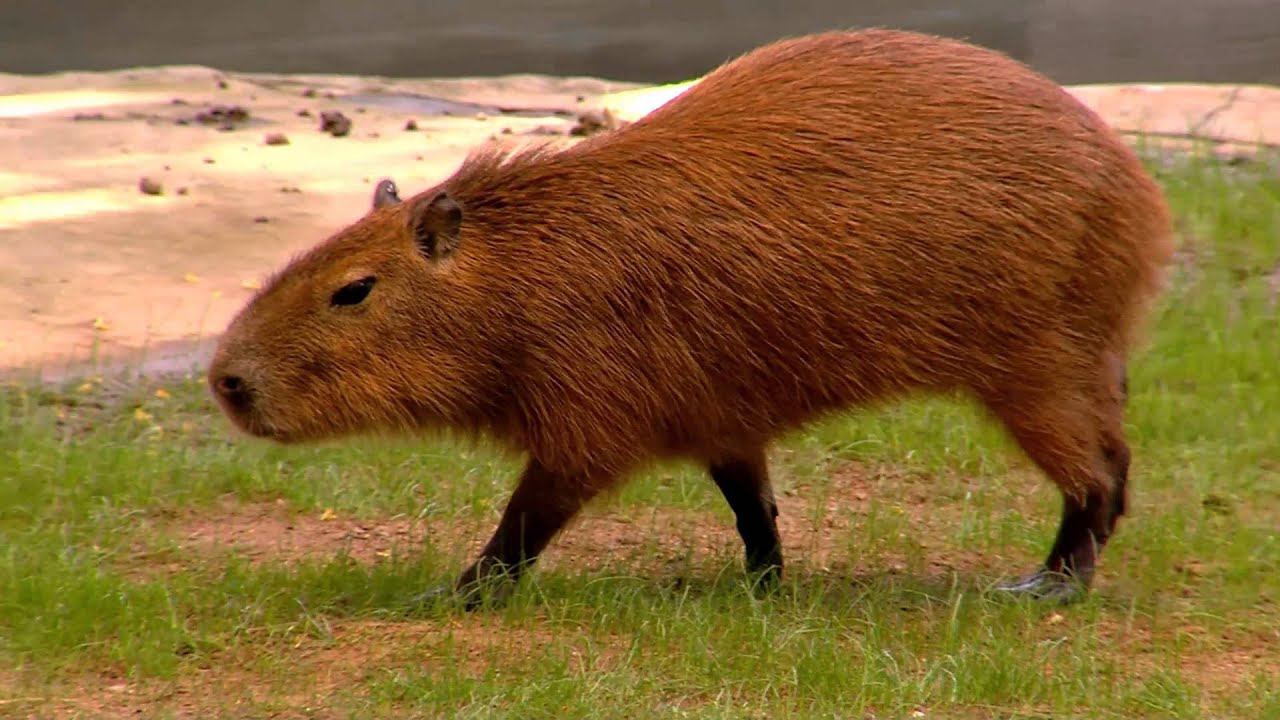
Credit: www.youtube.com
Frequently Asked Questions
Are Capybaras Related To Rats?
Capybaras and rats are both rodents, but they belong to different families. Capybaras are closer to guinea pigs than rats.
Why Do Capybaras Look Like Giant Rats?
They share some features, like body shape and teeth. But their size, behavior, and family are different.
Can Capybaras Be Kept As Pets Like Rats?
Capybaras can be pets, but they need much more space, water, and care than rats. They are not suitable for small homes.
Do Capybaras Eat Meat Like Rats?
No, capybaras are strict herbivores. Rats eat both plants and meat.
Are Capybaras Dangerous?
Capybaras are not dangerous. They are gentle, social, and rarely bite. They are safe around people and other animals.
Capybaras are often confused for big rats, but they are unique animals with their own traits and needs. They are the largest rodent, but not a rat. Understanding their differences helps us appreciate both capybaras and rats for what they are—fascinating members of the animal world.


