

Capybaras are some of the most fascinating animals living in South America. Their friendly faces, social behaviors, and peaceful nature attract millions of fans worldwide. But there’s one common question: Are capybaras carnivores, herbivores, or omnivores? To truly understand these gentle giants, we must look closely at their diet, biology, and habits in the wild and in captivity. Let’s dive into the facts and clear up the confusion once and for all.
What Do Capybaras Eat In The Wild?
Capybaras, the world’s largest rodents, are found near water across countries like Brazil, Venezuela, and Argentina. Their lifestyle shapes what they eat every day.
Wild capybaras spend much of their time grazing. They feed mostly on grasses, which make up around 80% of their diet. In the rainy season, lush green grasses are easy to find. However, during the dry season, capybaras switch to aquatic plants, reeds, and even the bark of trees when food is scarce.
They also eat:
- Fruit fallen from trees
- Corn or sugarcane crops (when near farms)
- Soft tree bark and shrubs
It’s rare to see them eat insects or animal matter in the wild. Their teeth and digestive system are built for breaking down tough plants, not meat.
Capybara Digestive System: Made For Plants
One reason capybaras are so good at eating plants is their unique digestive tract. They are hindgut fermenters. This means they have a special chamber in their intestines, the cecum, which helps break down cellulose from plants.
Here’s how it works:
- Capybaras chew food quickly and swallow it.
- Bacteria in the cecum ferment the tough plant fibers.
- The process releases nutrients that are absorbed by the body.
Capybaras also practice coprophagy—they eat some of their own droppings. This might sound strange, but it allows them to digest the food a second time and absorb extra nutrients, especially vitamin B. Many rodents and rabbits use the same trick.

Credit: www.teacherspayteachers.com
Are Capybaras Herbivores, Carnivores, Or Omnivores?
Based on their teeth, digestive system, and feeding habits, capybaras are herbivores. They are designed to eat plants, not meat.
Let’s compare these categories:
| Diet Type | Main Foods | Examples |
|---|---|---|
| Herbivore | Plants, grasses, fruits | Capybara, deer, rabbit |
| Carnivore | Meat, fish, insects | Lion, wolf, eagle |
| Omnivore | Plants and meat | Bear, human, pig |
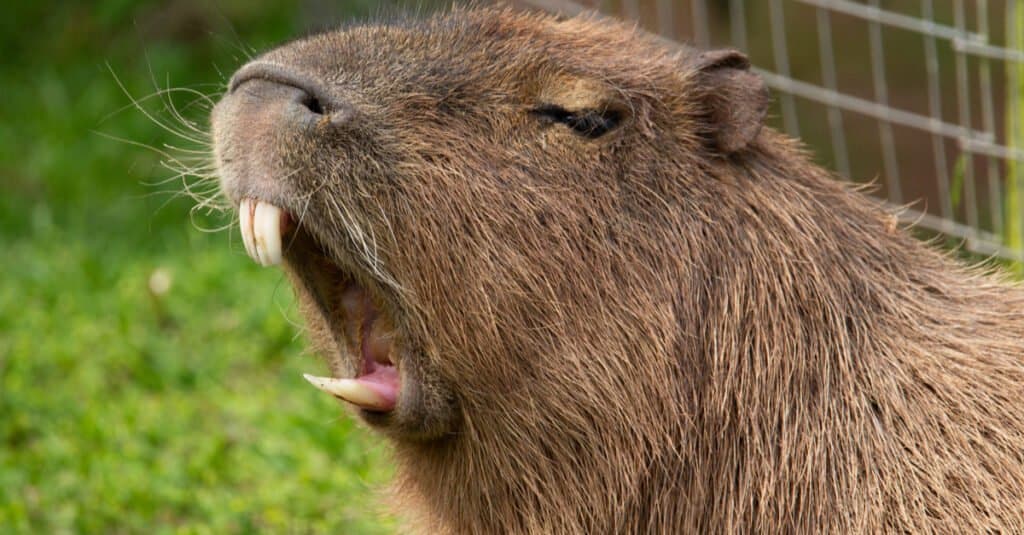
Capybaras fall firmly in the herbivore group. Their teeth are flat and wide for grinding plants, not sharp for slicing meat.
Capybara Diet In Captivity
In zoos or as pets, capybaras may eat a wider variety of foods, but their main diet stays plant-based. Caretakers usually give them:
- Fresh hay (like Timothy or Bermuda)
- Leafy greens (lettuce, kale, dandelion)
- Vegetables (carrots, sweet potatoes)
- Special rodent pellets for extra nutrition
Some capybaras enjoy a small amount of fruit as treats, such as watermelon or apples. However, too much fruit can upset their stomach due to high sugar.
Here’s a comparison of wild and captive diets:
| Food Item | Wild Capybaras | Captive Capybaras |
|---|---|---|
| Grasses | Very common | Common |
| Aquatic plants | Often eaten | Sometimes given |
| Fruits | Occasional | As treats |
| Vegetables | Rare | Common |
| Pellets | Not eaten | Often given |
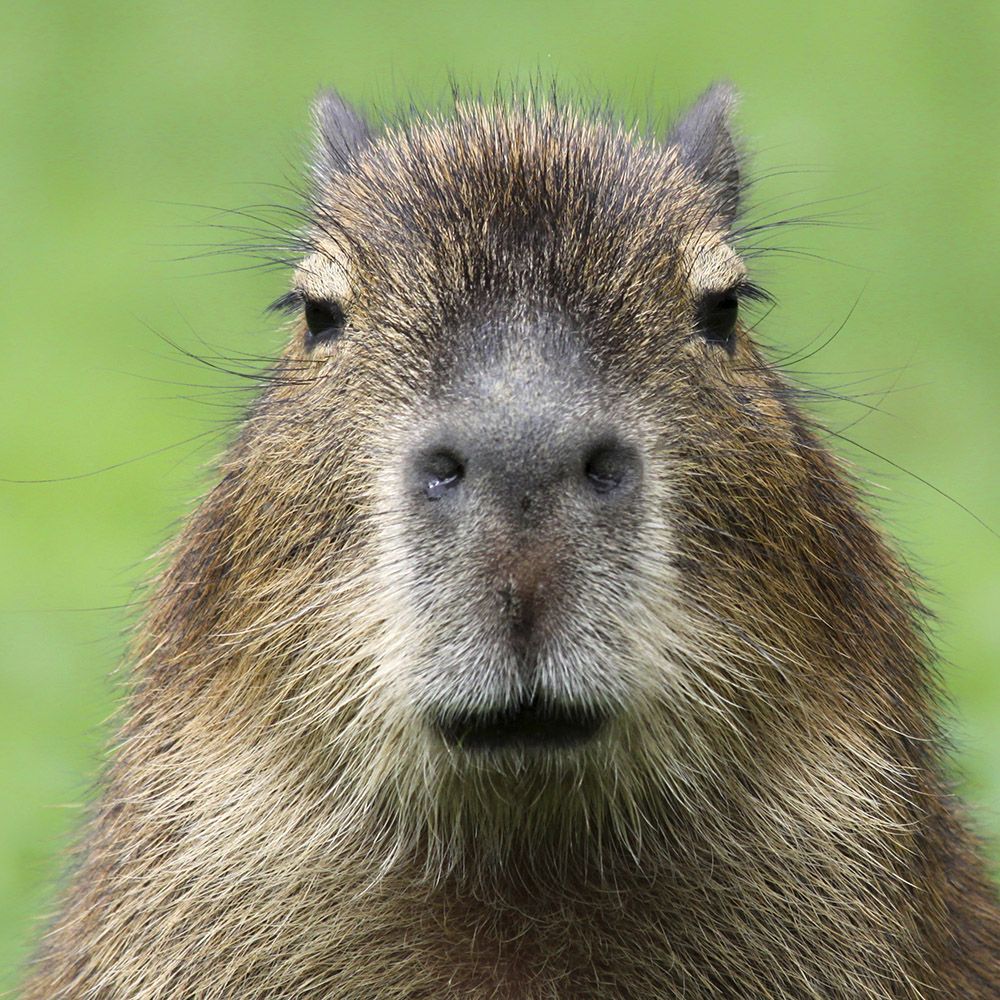
Feeding them animal protein is not recommended. Their stomachs can’t handle it well, and it may cause health problems.
Credit: www.rainforest-alliance.org
Common Misunderstandings
Sometimes, people believe capybaras are omnivores because:
- They are social and live peacefully with other animals
- Videos show them eating fruit or “sharing” food with pets
But these examples do not mean capybaras eat meat. Their social nature is about safety in numbers, not food preferences. Eating fruit does not make them omnivores—many herbivores enjoy fruit.
Another misunderstanding is about capybaras and their droppings. Eating droppings is not eating meat; it’s a way to digest plants better.
Why Their Diet Matters
Knowing that capybaras are herbivores is important for anyone who wants to care for them. Feeding a wrong diet can lead to:
- Obesity from too many sugary treats
- Digestive problems from animal protein or dairy
- Malnutrition if not enough fiber is given
A proper plant-based diet keeps their teeth and gut healthy. In fact, their teeth grow constantly and need tough grasses to wear them down.
Real-life Example: Capybaras In The Pantanal
In Brazil’s Pantanal wetlands, capybaras are often seen grazing in large groups. They spend hours each day eating grass by the water’s edge. When rivers flood, they swim to new areas to find fresh plants. Predators like jaguars and caimans hunt them, but capybaras rely on their speed and group size for safety, not on eating meat to get stronger.
Surprising Insights About Capybara Diets
Many beginners think capybaras can “eat anything. ” In reality, they have sensitive digestion. Even in captivity, sudden changes in diet or feeding unfamiliar vegetables can cause diarrhea or bloating.
Another insight: capybaras need access to water not just for swimming, but because aquatic plants are a big part of their natural diet. Without enough water, their food choices shrink, and their health may suffer.
Credit: a-z-animals.com
Frequently Asked Questions
Are Capybaras Herbivores Or Omnivores?
Capybaras are strict herbivores. They eat mostly grasses and plants. They do not eat meat or insects in nature.
Can Capybaras Eat Meat Or Fish?
No, capybaras should not eat meat or fish. Their bodies are not made for digesting animal protein, and it can cause stomach problems.
Why Do Capybaras Eat Their Own Droppings?
Capybaras eat some droppings to digest plant material twice and get more nutrients. This is common in many plant-eating animals and helps them stay healthy.
Do Capybaras Ever Eat Insects Or Eggs?
Wild capybaras do not normally eat insects or eggs. Their diet is focused on plants. If they accidentally eat a bug, it’s by mistake, not by choice.
What Is The Best Food For A Pet Capybara?
A healthy pet capybara should eat high-fiber grasses, leafy greens, and a few vegetables. Fruit can be given as an occasional treat, but avoid any meat, dairy, or sugary human foods.
For further reading, you can visit the Wikipedia page on capybaras for more scientific details.
Capybaras are peaceful, plant-loving animals whose diet supports their gentle and social lifestyle. Understanding what they eat helps us keep them healthy, happy, and thriving—whether in the wild or as beloved companions.


