

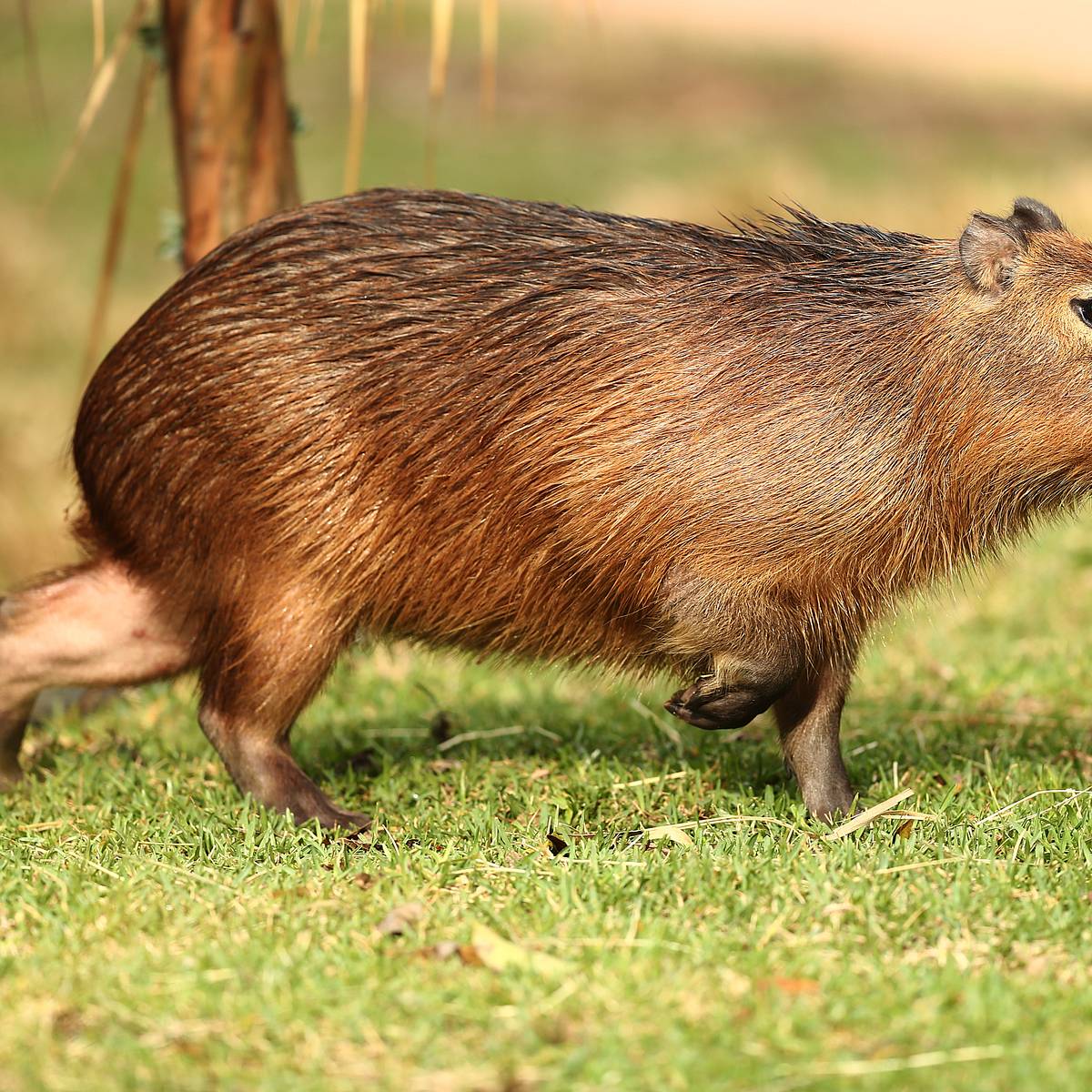
Some questions sound like jokes, but their answers reveal fascinating history. One such question is: Are capybaras considered fish by the Vatican? At first, this idea might sound silly. After all, the capybara is the world’s largest rodent, with fur, four legs, and a strong love for water. How could anyone call it a fish? Yet, this question tells a remarkable story about food, faith, and creative thinking. Let’s dive into why the Vatican once treated the capybara as a fish and what it means today.
Why The Vatican’s Classification Matters
For centuries, Catholic traditions have shaped what people eat during Lent—a 40-day period before Easter. During Lent, Catholics do not eat meat on certain days, especially Fridays. Fish, however, is allowed. But what counts as “meat”? Different regions faced unique challenges, especially in South America.
When Spanish missionaries arrived in South America in the 1500s, they met new animals, including the capybara. This giant rodent was already popular with local people, who enjoyed its meat. For new Catholic converts, giving up capybara during Lent was difficult.
But was eating capybara really against the rules? That’s when the question reached church leaders.
How Capybara Became “fish” In Church Law
In the 16th century, South American Catholics asked for guidance. The question went all the way to the Vatican. Church leaders had to decide: Is the capybara meat or fish? The answer had big consequences for local diets.
After much debate, the church declared that the capybara could be eaten during Lent. Why? Because the animal spends much of its life in water, swims well, and has some fish-like features (like webbed feet). The Vatican used a principle called “regional adaptation.
” They made similar rulings for other water-dwelling creatures, like beavers and muskrats in North America.
Today, this ruling is still remembered in parts of Venezuela and other countries. During Lent, capybara dishes appear in local homes and restaurants. The decision helped Catholics in South America follow their faith while respecting local food traditions.
Comparing Capybara To Fish And Other “lenten Animals”
To understand this decision, it helps to compare capybara to other animals treated as “fish” for church law. Here’s how they stack up:
| Animal | Natural Habitat | Vatican’s Lenten Classification | Reason |
|---|---|---|---|
| Capybara | Rivers, swamps | Fish | Lives in water, aquatic habits |
| Beaver | Streams, lakes | Fish | Water-dwelling, webbed feet |
| Muskrat | Wetlands | Fish | Mostly aquatic |
| Chicken | Land | Meat | Land animal, not aquatic |
As you can see, animals that live in or near water—and are hard to classify using European definitions—sometimes got special status.
The Impact On Local Culture And Food
The Vatican’s ruling did more than solve a religious problem. It changed food culture in countries like Venezuela. During Lent, capybara meat became a special dish. Some families even raise capybaras for this season.
A typical capybara dish is called “pisillo de chigüire.” The meat is shredded, salted, and cooked with onions, peppers, and spices. It’s served with rice or plantains. Eating capybara during Lent became a tradition, blending faith and local flavor.
In some regions, capybara is so popular during Lent that prices rise sharply. According to a 2022 news report, capybara meat can be up to 30% more expensive in Lent than the rest of the year. This shows how deeply religious rules affect markets and daily life.

Credit: www.iflscience.com
How Common Are These Exceptions?
The capybara is not the only animal with a special Lenten status. Similar exceptions have been made in other parts of the world.
| Region | Animal Exception | Reason |
|---|---|---|
| North America | Beaver, muskrat | Aquatic life, few fish available |
| South America | Capybara | Important protein source, aquatic habits |
| Europe | Puffin (in some places) | Lives at sea, hard to classify |
These decisions are rare but show how the church adapts to local needs. The main goal is to keep the spirit of Lent—sacrifice and reflection—while respecting real-life challenges.
Two Insights Most People Miss
- It’s about adaptation, not loopholes: The Vatican’s decision on capybaras is not just a “clever trick” to eat meat. Instead, it’s a practical way to help people live their faith in challenging environments. It shows how religious rules can be flexible when facing new realities.
- It changed animal farming: The capybara’s Lenten status led to more people raising and managing capybaras. In regions like Venezuela, capybara farming is now a small but steady business, especially in Lent.
Credit: www.mentalfloss.com
Modern View: Is Capybara Still A “fish”?
Today, the church’s ruling is more of a tradition than a strict law. Most Catholics around the world do not eat capybara. But in places where the custom is strong, it continues with local support.
Modern science does not call the capybara a fish. It’s a rodent, closely related to guinea pigs. The Vatican’s decision was not about biology—it was about community needs and religious practice.
If you want to learn more about how religious food rules have shaped history, check out this summary from Wikipedia.
Frequently Asked Questions
Why Did The Vatican Consider Capybaras As Fish?
The Vatican decided to classify capybaras as fish for Lenten rules because they live in water, swim well, and were important for local diets. This helped Catholics in South America keep their traditions during Lent.
Is Capybara Meat Still Eaten During Lent Today?
Yes, in countries like Venezuela, capybara meat is still a popular Lenten food. It appears in homes and restaurants, especially during the holy season.
Are There Other Animals With Similar Exceptions?
Other animals like beaver, muskrat, and even puffins in some regions, have similar exceptions. These animals live in or near water and were important for people where fish was hard to find.
Is Eating Capybara Allowed Everywhere For Catholics?
No, this exception is mostly for regions where capybara is common. In other places, Catholics follow the regular Lenten rules and do not eat land animal meat.
Is Capybara Really A Fish?
No, the capybara is a rodent. The Vatican’s classification is only for religious purposes during Lent. Biologically, capybara is not a fish.
Capybaras are not fish, but their story shows how faith, culture, and nature can blend in surprising ways. Understanding these unique traditions helps us see how flexible and creative communities can be when they meet new challenges.

Credit: hep.physics.illinois.edu


