

Capybaras are some of the most fascinating animals in the world. Their gentle nature, social behavior, and unique looks have made them popular online and in zoos. But many people wonder: are capybaras considered rodents? The answer is yes, but there’s much more to know about their place in the animal kingdom. Let’s explore what makes a capybara a rodent, how they compare to other rodents, and why this classification is important.
What Makes An Animal A Rodent?
To understand why capybaras are classified as rodents, it helps to know what defines the rodent order. Rodents are part of the scientific order Rodentia. This group includes animals like mice, rats, squirrels, beavers, and porcupines. There are over 2,000 species of rodents, making them the largest order of mammals.
Rodents share a few key traits:
- Continuously growing front teeth (incisors), which they must keep worn down by gnawing.
- Single pair of upper and lower incisors.
- Lack of canine teeth, creating a gap (diastema) between incisors and back teeth.
Capybaras fit every one of these characteristics. Their large, sharp front teeth never stop growing, and they chew tough plants daily to keep their teeth healthy.
Capybaras In The Rodent Family
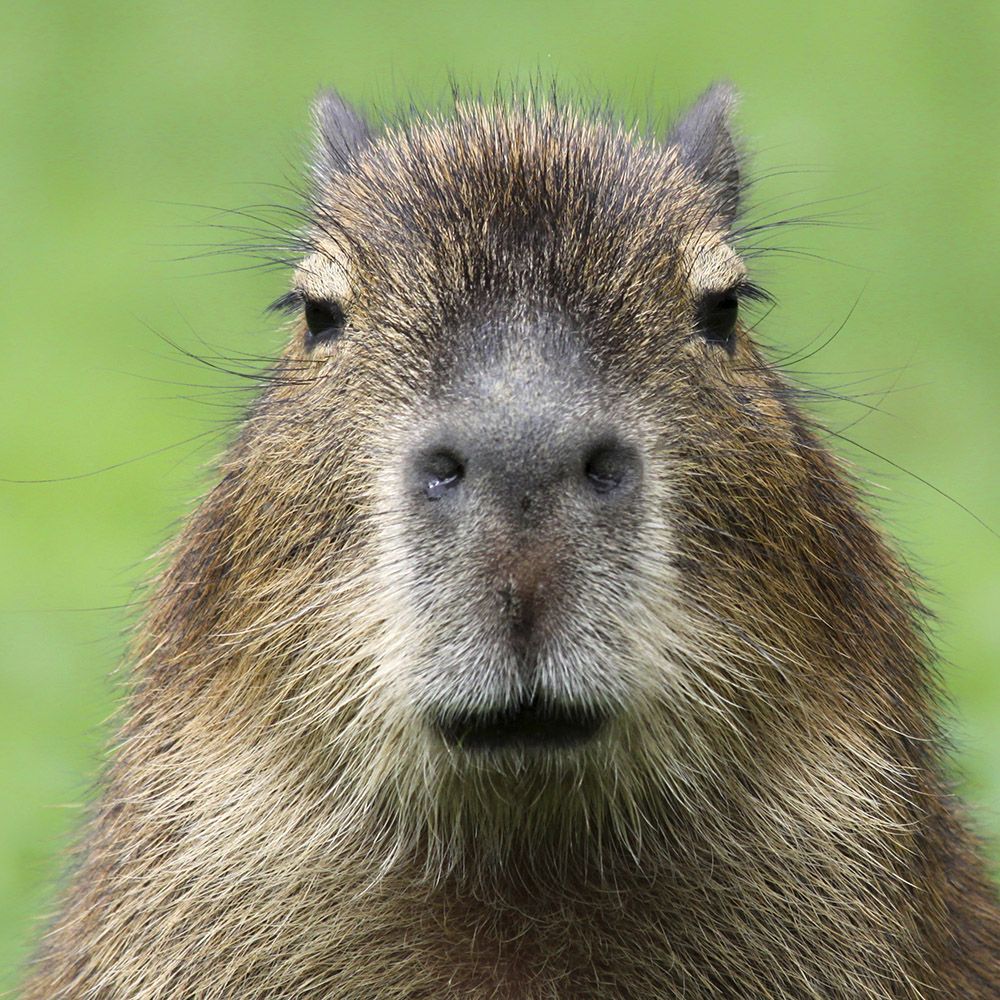
The capybara (Hydrochoerus hydrochaeris) is not only a rodent—it is the largest living rodent on earth. Adult capybaras can weigh between 35 to 70 kg (77 to 154 lbs) and measure up to 1.3 meters (about 4.3 feet) long. This makes them much bigger than most other rodents.
Here’s how the capybara compares to other well-known rodents:
| Rodent | Average Adult Weight | Average Length |
|---|---|---|
| Capybara | 35–70 kg | 1.0–1.3 m |
| Beaver | 16–32 kg | 0.8–1.0 m |
| Guinea Pig | 0.7–1.2 kg | 20–25 cm |
| Rat | 0.2–0.5 kg | 20–25 cm |
Capybaras are part of the Caviidae family, which also includes guinea pigs and rock cavies. These animals are native to South America and are adapted to semi-aquatic environments.
Credit: www.rainforest-alliance.org
Why Are Capybaras Considered Rodents?
There are several reasons why scientists classify capybaras as rodents:
- Dental Structure: Capybaras have the same dental features as all rodents—strong, ever-growing incisors at the front of their mouths.
- Genetic Evidence: DNA studies show that capybaras are closely related to other rodents, especially guinea pigs.
- Reproductive Traits: Like other rodents, capybaras have short gestation periods and give birth to several young at a time.
- Behavior and Diet: Their eating habits, such as gnawing on tough plants and tree bark, match the typical rodent lifestyle.
Many people are surprised to learn this because capybaras are so much bigger than the rodents they know. However, size does not affect rodent classification. For example, a beaver is also a rodent, even though it is much larger than a mouse.
Capybaras Vs. Other Rodents: Similarities And Differences
Even though capybaras are rodents, they have many special features. Here’s a look at how they are similar to, and different from, other rodents:
| Feature | Capybara | Typical Rodent |
|---|---|---|
| Habitat | Semi-aquatic (lakes, rivers, swamps) | Varied (fields, forests, underground) |
| Social Structure | Large groups (up to 100) | Usually solitary or small groups |
| Diet | Mainly grasses and aquatic plants | Seeds, nuts, plants, some eat insects |
| Size | Largest rodent | Usually small to medium |
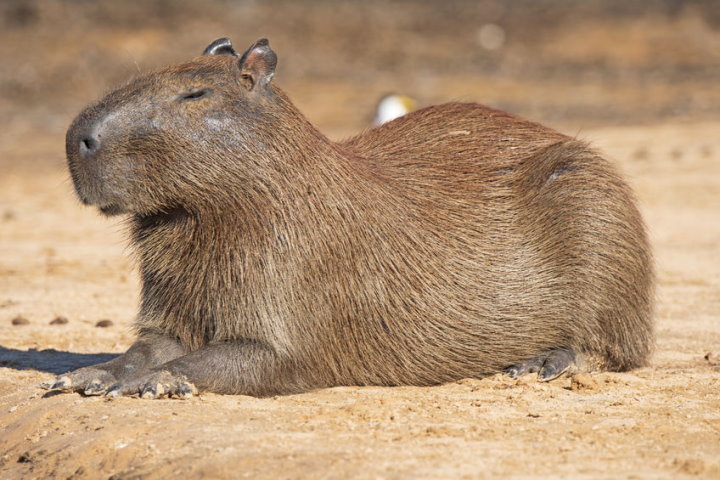
Capybaras also have some unique behaviors. For example, they spend a lot of time in water and are excellent swimmers. Most rodents are land-based and don’t have webbed feet like capybaras do.
Credit: www.savacations.com
Common Misconceptions About Capybaras
Some people think capybaras are not rodents because:
- They look similar to pigs or hippos.
- They are much bigger than typical rodents.
- Their calm and social nature is very different from the skittish behavior of mice or rats.
However, scientific classification depends on genetics and anatomy, not just looks or behavior. This is why the capybara’s size and social habits do not change its rodent status.
A common beginner mistake is to confuse capybaras with nutria or guinea pigs. Nutria are also semi-aquatic rodents, but smaller and with a more rat-like tail. Guinea pigs are much smaller and fully land-based, but they share the same family.
The Importance Of Capybaras In Science And Culture
Capybaras are important for several reasons:
- Ecological role: They help shape wetland habitats by eating lots of plants.
- Food source: In some South American countries, capybara meat is used for food, especially during Lent.
- Scientific research: Their social behaviors give scientists clues about animal communication and group living.
- Popular pets and zoo animals: Capybaras are famous for their gentle attitude toward humans and other animals.
One insight many beginners overlook is that capybaras can act as “ecosystem engineers. ” By grazing, they help keep aquatic plants in balance and create space for other animals.
Another less-known fact is that capybaras are used in studies about zoonotic diseases. Because they live near water, they can carry ticks and fleas that spread illness to other animals and even humans.
If you want to learn more about capybara biology and how they fit into the rodent family, the Wikipedia page on capybaras is a great starting point.

Credit: www.reddit.com
Frequently Asked Questions
What Makes Capybaras Different From Other Rodents?
Capybaras are unique because of their large size, social groups, and semi-aquatic lifestyle. Most rodents are much smaller, live alone or in pairs, and stay on dry land.
Can Capybaras Be Kept As Pets?
Yes, in some countries, people keep capybaras as pets. However, they need a lot of space, a swimming area, and special diets. They are not legal to own everywhere.
Are Capybaras Dangerous To Humans?
No, capybaras are known for their gentle nature. They rarely bite or attack unless threatened or cornered.
How Are Capybaras Related To Guinea Pigs?
Both capybaras and guinea pigs belong to the Caviidae family. They share similar teeth and digestive systems, but capybaras are much bigger and adapted to water life.
Do All Rodents Have Ever-growing Teeth?
Yes, all rodents have front incisors that grow throughout their lives. This is one of the defining features of the rodent order.
Capybaras are more than just cute animals—they are fascinating members of the rodent family with a unique place in nature. Their classification as rodents is based on solid scientific evidence, from their teeth to their genes. Whether you see one in the wild, at a zoo, or online, you can now appreciate what truly makes a capybara a rodent.


