

Are Capybaras Dirty?
Capybaras are getting famous online for their relaxed attitude and adorable faces. Videos show them swimming, snuggling, and even hanging out with ducks and cats. But if you’re thinking about having a capybara as a pet, or just curious, you might wonder: Are capybaras dirty? Do they smell? Do they make a mess? Let’s take a close look at their cleanliness, habits, and what it means if you want to live with or near these gentle giants.
Capybara Basics: Clean Or Messy By Nature?
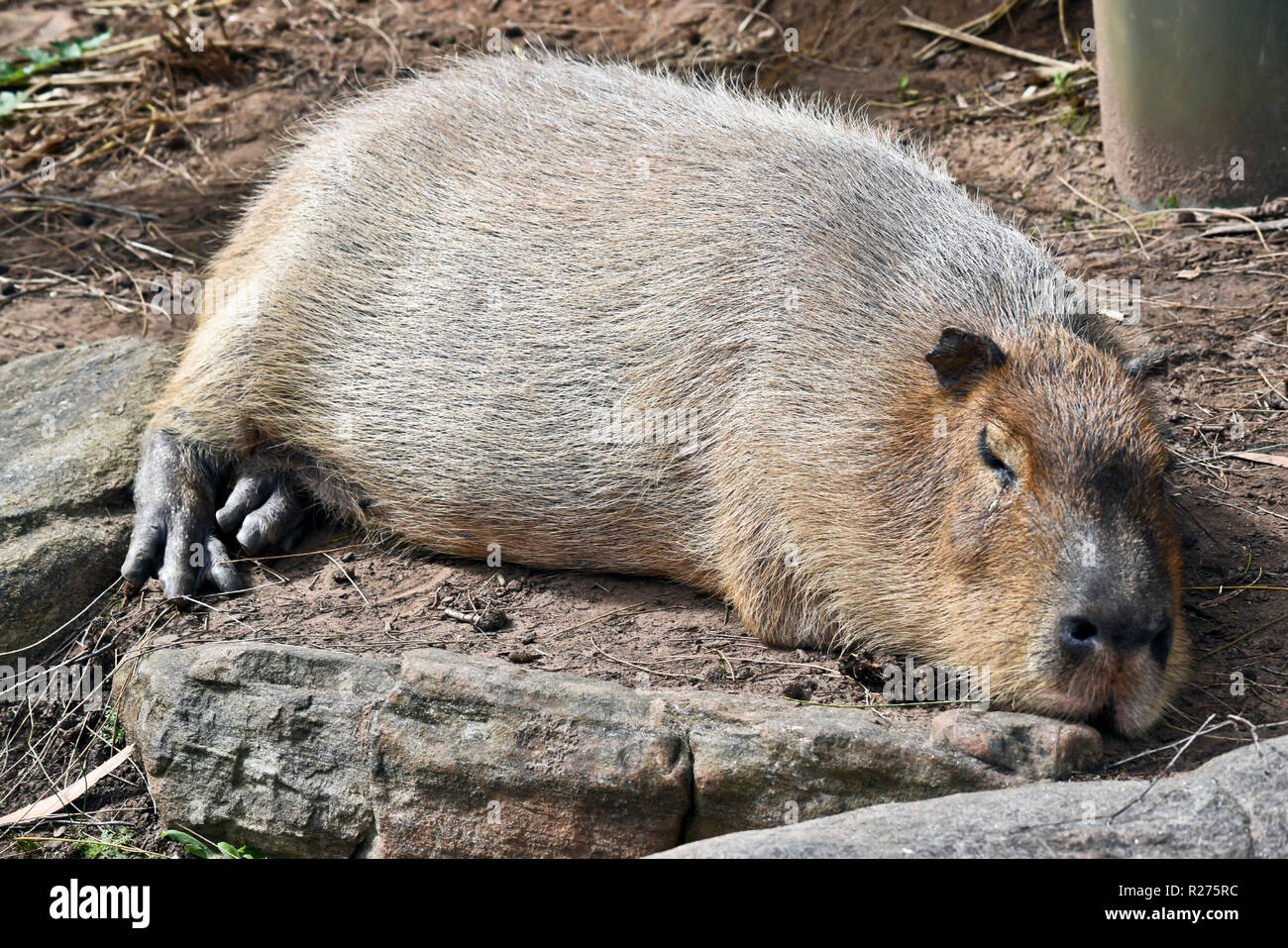
Capybaras are the largest rodents in the world. Native to South America, they live near water—rivers, lakes, and wetlands. In the wild, their natural lifestyle already gives us clues about their cleanliness.
- Semi-aquatic: Capybaras spend a lot of time in water. Swimming helps them stay cool and clean.
- Grooming: They groom themselves and each other, using their teeth and claws to remove dirt and loose hair.
- Herbivores: Their diet is mostly grass and aquatic plants, which means their waste is less smelly than carnivorous animals.
But being clean in the wild doesn’t always mean they’re clean as pets. Let’s break down some important areas.
Capybara Hygiene Habits
Water Is Their Bathtub
Capybaras love water. In fact, they need it. They soak, swim, and even sleep in water. This daily bathing keeps their fur and skin clean. Many people notice that after a swim, their fur looks smooth and tidy.
But, if their water isn’t changed often, it can get dirty quickly. Capybaras may defecate in the water, especially in captivity, which can create a strong odor. Clean water is key to keeping capybaras fresh.
Social Grooming
Capybaras are social animals. In groups, they help each other by nibbling and cleaning fur. This removes pests and helps them bond. If kept alone as a pet, a capybara might groom less, so some dirt or loose hair could build up.
Waste Habits
Capybaras produce a lot of droppings—up to 500 pellets per day. In the wild, these pellets break down naturally. As pets, you’ll need to clean up after them. Their urine is usually not strong-smelling if their enclosure is cleaned regularly.
Living With A Capybara: Cleanliness Challenges
Enclosure Cleanliness
If you keep a capybara, the cleanliness of its living space matters most. Here’s how capybara care compares to other common pets:
| Pet | Cleaning Needed (per week) | Odor Control Difficulty |
|---|---|---|
| Capybara | 4–7 times | Medium |
| Dog | 1–4 times | Low–Medium |
| Rabbit | 2–5 times | Low |
Capybaras need a lot of cleaning—not because they’re naturally dirty, but because they produce a lot of waste and spend time in water.
Bathing And Grooming Needs
Unlike dogs, capybaras usually do not need soap baths. Their fur is short and dries quickly. However, if you notice a strong smell or sticky fur, you may need to rinse them with clean water.
Are Capybaras Dirty Compared To Other Animals?
Let’s look at how capybaras compare to other animals you might consider as pets.
| Animal | Natural Cleanliness | Self-Grooming? | Water Use |
|---|---|---|---|
| Capybara | High | Yes | Daily |
| Guinea Pig | Medium | Yes | Rare |
| Dog | Varies | Somewhat | Rare |
| Cat | High | Yes | Rare |
The main difference: capybaras use water for cleaning, while cats and guinea pigs use their tongue. Dogs may need help from humans for bathing.
Credit: www.alamy.com
Odor: Do Capybaras Smell?
Most capybaras do not have a strong smell if kept clean. Their fur has a mild, grassy scent. Problems arise when:
- Their water is not changed often.
- Waste is not cleaned up.
- They are stressed or sick.
A healthy, well-cared-for capybara should not smell bad. However, their large size means any messes are also bigger than a small pet’s.
Common Mistakes That Lead To “dirty” Capybaras
New owners sometimes make mistakes that can make capybaras seem dirty:
- Small water tanks: Capybaras need plenty of water to swim, not just a little to drink.
- Not cleaning water often: Dirty water leads to dirty fur and skin problems.
- Ignoring waste: Daily cleanup is essential.
- Single animals: Capybaras alone may not groom as much, so extra care is needed.
- Improper diet: Feeding them the wrong food can change their droppings, making things messier.
Two Insights Beginners Often Miss
- Capybaras are very sensitive to changes in water quality. Poor water can cause infections and a bad smell.
- Their social needs link directly to cleanliness. In groups, they stay cleaner due to mutual grooming.
Practical Tips For Keeping Capybaras Clean
- Large, fresh water pool: At least 3–4 feet deep and changed daily.
- Daily spot-cleaning: Remove droppings from their living area every day.
- Regular grooming checks: Brush their fur and look for signs of skin problems.
- Good diet: Feed plenty of fresh grass and hay to keep digestion (and waste) healthy.
- Enrichment: Give them toys and space to reduce stress, which also helps with grooming.
Health Problems From Poor Hygiene
Ignoring a capybara’s cleanliness can lead to:
- Skin infections (like ringworm)
- Foot problems from standing in wet waste
- Parasites in dirty fur or water
Good hygiene is not just about smell; it’s about health.
Capybara Cleanliness In Zoos And The Wild
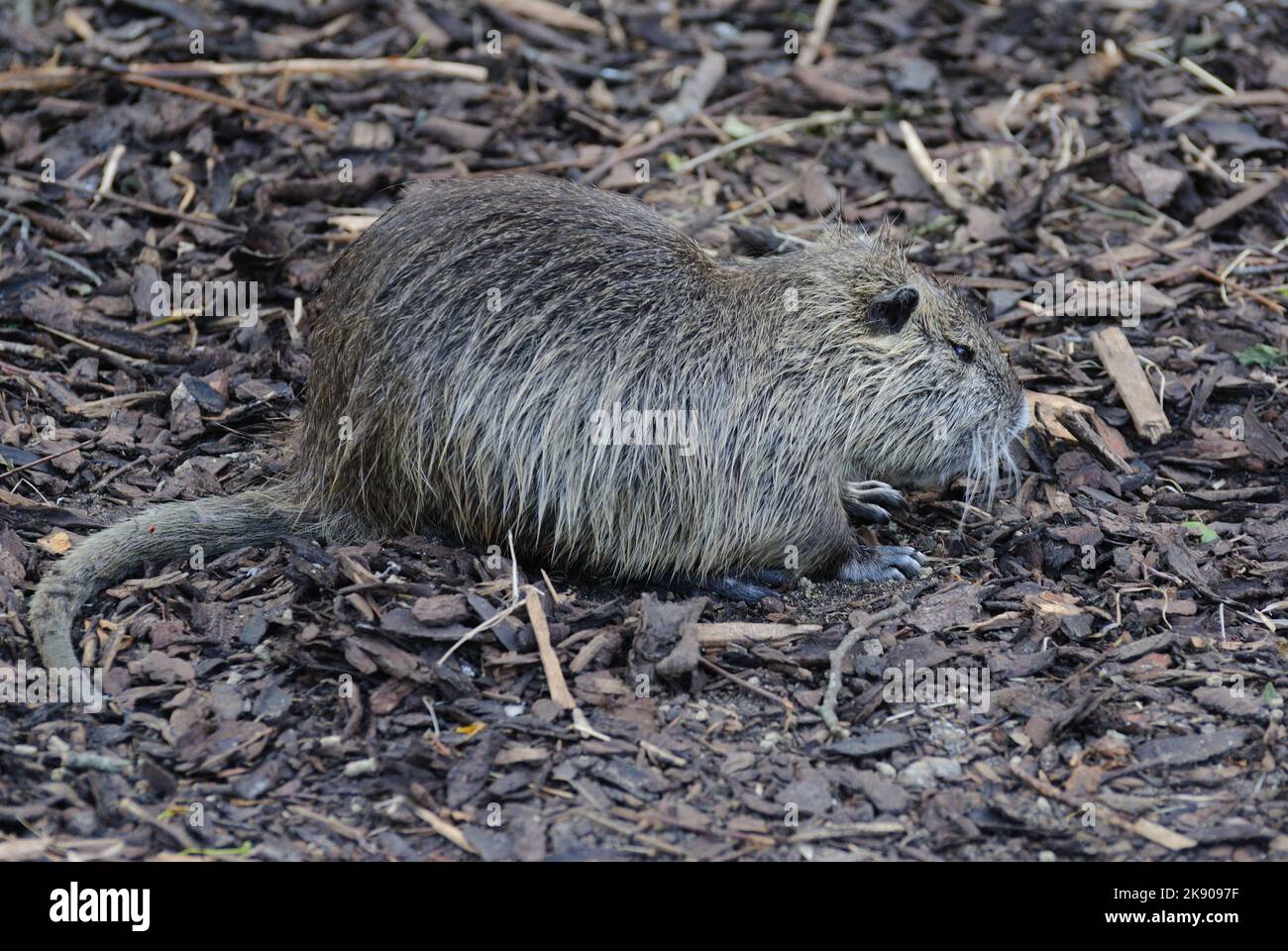
Zoos often set the standard for capybara care. They use large pools, regular cleaning, and group housing. Wild capybaras rarely have hygiene problems because nature “cleans up” for them—water moves, waste breaks down, and they live in groups.
If you want more scientific details about capybara ecology and hygiene, see the Wikipedia page on Capybaras.
Credit: www.alamy.com
Final Thoughts
Capybaras are not dirty by nature. In fact, they are some of the cleanest large animals you can meet—if given the right environment. Their love of water and social grooming keep them tidy. Problems arise when their needs are not met, especially in captivity.
If you’re ready for the work, capybaras are gentle, clean companions.
Frequently Asked Questions
Do Capybaras Need Baths With Soap?
No, capybaras do not need soap baths. Clean, fresh water is enough for their regular hygiene. Soap can actually harm their skin.
How Often Do Capybaras Need Their Water Changed?
Change their water daily or whenever it looks dirty. Capybaras spend hours in water each day, and clean water is vital.
Is Capybara Poop Dangerous?
Capybara droppings are not dangerous if handled properly. Always wash your hands after cleaning, and never let waste build up.
Can Capybaras Live Indoors?
Capybaras should not live indoors full-time. They need large outdoor spaces and water pools. Indoors, they make big messes and can become stressed.
Do Capybaras Smell Worse Than Dogs Or Cats?
No, a healthy capybara does not smell worse than a clean dog or cat. Odors come from poor care or dirty enclosures, not the animal itself.
Credit: www.robertharding.com


