

Every year, millions of people around the world observe Lent, a period of fasting and reflection leading up to Easter. For Christians, Lent is often marked by giving up certain foods, especially meat. But if you travel to South America during this time, you might discover something surprising on the menu: capybara, the world’s largest rodent. This unique tradition raises questions for many—why is capybara eaten during Lent? Is it considered meat? Let’s dive into the origins, cultural practices, and the ongoing debate behind this unusual culinary exception.
The History Of Eating Capybara During Lent
The story goes back several centuries to the colonial period in South America. Catholic missionaries and Spanish colonizers faced a problem: the traditional rules of Lent required abstaining from meat, but fish was allowed. In regions like Venezuela, fish was not always available, and local people relied on native animals for protein. The capybara, a semi-aquatic rodent, was plentiful and already part of indigenous diets.
Local clergy and laypeople sent a request to the Vatican in the 18th century. They asked whether eating capybara during Lent was acceptable, given its aquatic lifestyle. In an unusual decision, the Vatican agreed, declaring capybara as “fish” for the purpose of Lent.
This ruling was based less on biology and more on practicality and local custom. It allowed people to continue their traditions while observing religious rules.
Why Capybara Is Considered “fish” For Lent
The main reason behind this exception is the capybara’s habitat. Capybaras live in wetlands, spend much of their lives in water, and even have webbed feet. Their meat is also described as similar to fish in texture and taste, especially when cooked in traditional ways.
Here’s a quick comparison of capybara and fish for Lent:
| Feature | Capybara | Typical Fish |
|---|---|---|
| Habitat | Wetlands, rivers | Rivers, lakes, oceans |
| Diet | Herbivore (plants) | Varies (herbivore/omnivore) |
| Religious status during Lent | Permitted | Permitted |
| Biological category | Mammal (rodent) | Fish |
The Vatican’s decision is not based on science but on tradition and religious interpretation. To this day, many Venezuelan Catholics eat capybara during Lent, considering it allowed by church law.
Credit: www.atlasobscura.com
How Capybara Is Prepared And Eaten
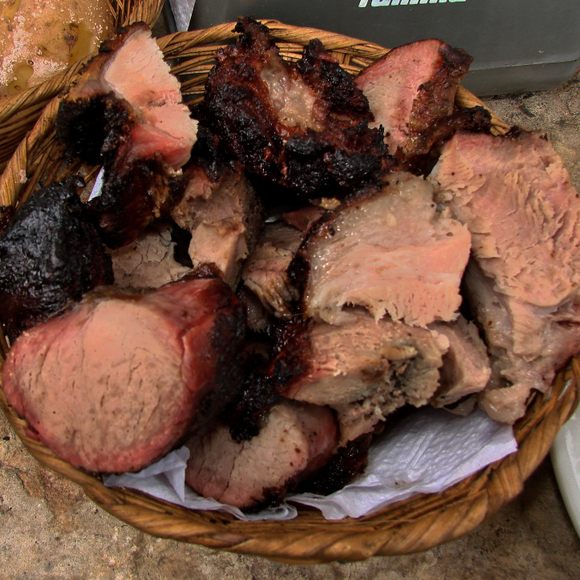
Capybara meat is considered a delicacy in Venezuela and some parts of Brazil and Colombia. During Lent, the demand for capybara rises sharply. The animal is often slow-cooked or smoked, and its meat is described as slightly salty, tender, and similar to pork or fish.
Popular dishes include:
- Pisillo de chigüire: Shredded capybara meat, seasoned and cooked with onions, peppers, and garlic.
- Capybara stew: Meat simmered with vegetables and local spices.
- Smoked capybara: The meat is cured and smoked, giving it a rich flavor.
Cooking capybara takes time. The meat can be tough, so it is often marinated and slow-cooked for several hours. In many rural areas, whole families gather to prepare and share these dishes as part of their Lenten celebrations.
Cultural And Environmental Impact
Eating capybara during Lent is not just a religious practice; it has become a cultural event in Venezuela and nearby countries. For many, it’s a way to connect with local traditions and family roots. In some regions, capybara feasts attract large crowds and even tourists.
However, the tradition has a significant environmental impact. Capybara hunting is regulated by the government, but illegal hunting increases during Lent. In the past, overhunting threatened local populations. Today, conservation programs and sustainable farming help protect the species. Some farmers raise capybaras on ranches, reducing pressure on wild populations.
Here’s a look at capybara population trends in Venezuela:
| Year | Estimated Capybara Population | Conservation Status |
|---|---|---|
| 1980s | Decreasing | Near Threatened |
| 2000s | Stable | Least Concern |
| 2020s | Increasing | Least Concern |
Sustainable management has helped protect both the capybara and the tradition of eating it during Lent.

Credit: hep.physics.illinois.edu
The Debate: Should Capybara Be Eaten During Lent?
The Vatican’s ruling on capybara is unique and sometimes controversial. Some people believe it stretches the original intent of Lenten fasting. Critics say that calling a mammal “fish” is a loophole, not true religious observance. Supporters argue that traditions must adapt to local realities and that the decision respects cultural heritage.
The debate highlights a broader question: How should religious rules adapt to different cultures? The capybara exception is a clear example of the Catholic Church’s willingness to be flexible for the sake of community.
Modern Attitudes And Global Interest
Today, the practice of eating capybara during Lent remains strong in Venezuela, especially in the Llanos region. For many, it’s a cherished tradition that connects them to their ancestors. Interest in capybara meat is also growing outside South America, as adventurous eaters seek out rare foods.
However, capybara is not commonly eaten during Lent in most other Catholic countries. In places like the United States or Europe, the idea is often met with surprise or even disbelief. Still, the story of the capybara exception is sometimes shared in religious and culinary discussions, showing how local customs can shape global practices.
For more about the history and cultural context, you can read on Wikipedia.

Credit: www.reddit.com
Frequently Asked Questions
Why Is Capybara Allowed During Lent?
The Vatican decided in the 18th century that capybara could be eaten during Lent because it lives in water and has some fish-like qualities. This was meant to help local people follow religious rules without giving up their main source of protein.
What Does Capybara Meat Taste Like?
Capybara meat is often described as tender, slightly salty, and similar to a mix between pork and fish. When smoked or stewed, it can be quite flavorful.
Is Eating Capybara Legal Everywhere?
No, eating capybara is mostly allowed in countries where it is native, like Venezuela, Brazil, and Colombia. In other places, hunting or eating capybara may be illegal due to wildlife protection laws.
How Is Capybara Hunted Or Farmed?
Capybara can be hunted in the wild, but many are now raised on special farms. Farming helps protect wild populations and ensures a more stable supply during Lent.
Are There Other Animals With Similar Exceptions For Lent?
Yes, in the past, some regions have allowed beaver, muskrat, or alligator to be eaten during Lent for similar reasons. These animals live in water and were considered “fish” by local church authorities.
Eating capybara during Lent is a fascinating blend of religion, culture, and adaptation. It shows how traditions can evolve to fit local needs while still honoring the spirit of the original rules. For many South Americans, the capybara is more than just a meal—it’s a symbol of community, resilience, and shared faith.


