

Capybaras are fascinating animals. Their gentle nature and unique appearance have made them popular online, but there’s a question that often comes up: are capybaras edible? For many, eating this large rodent may sound unusual. However, the answer is more complex than a simple yes or no. Understanding the history, cultural views, safety, taste, and legal status of eating capybara reveals a lot about food traditions and ethical choices.
What Is A Capybara?
The capybara is the world’s largest rodent. Native to South America, these animals live near rivers, lakes, and wetlands. They are social, often found in groups. Adults can weigh between 35–66 kg (77–146 lbs), which is similar to a small sheep. Their meat has provided food for people in South America for centuries.
History Of Eating Capybara
Eating capybara is not a new idea. In Venezuela, Brazil, and other South American countries, capybara meat has been part of traditional diets for hundreds of years. During the colonial period, Catholic missionaries observed locals eating capybara. The animals were so common in diets that the Catholic Church, in the 16th century, officially allowed capybara meat to be eaten during Lent, calling it “fish” for religious reasons.
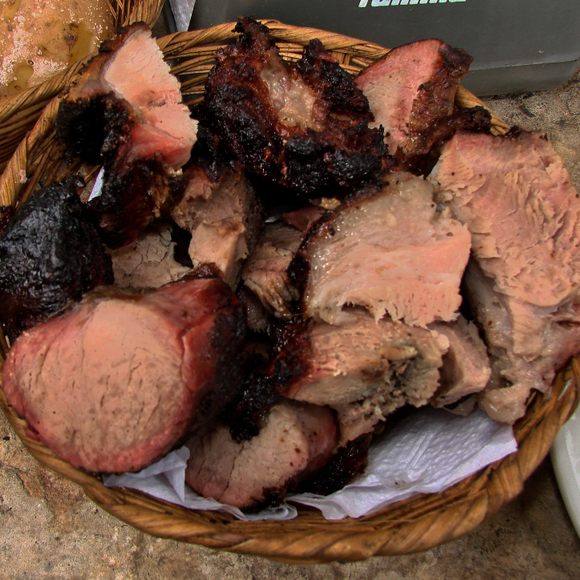
Credit: www.atlasobscura.com
Is Capybara Meat Edible?
Yes, capybara meat is edible. People in South America have safely eaten it for generations. The meat is lean, high in protein, and low in fat. It is sometimes compared to pork or duck in both texture and flavor. Capybara can be roasted, grilled, made into sausages, or cooked in stews.
Common Ways Capybara Is Prepared
- Stews: Slow-cooked with local spices and vegetables.
- Grilled: Cut into pieces and cooked over open flames.
- Sausages: Mixed with herbs and spices, then stuffed into casings.
These dishes are especially popular during religious holidays, like Easter in Venezuela.
Taste And Nutrition
People often wonder what capybara meat tastes like. Most describe it as mild, not gamey. The texture is firm but not tough. Some say it’s a mix of pork and fish, but less fatty.
Nutritional value is important too. Capybara meat is:
- High in protein (about 22g per 100g serving)
- Low in fat (less than 3g per 100g)
- A good source of vitamin B12 and iron
This makes it a healthy option compared to other red meats.

Credit: www.youtube.com
Cultural And Religious Views
In South America, especially in Venezuela, capybara is a common food. During Lent, when red meat is not allowed, capybara is eaten instead. This tradition started because the Catholic Church classified capybara as a “fish” for Lent. Outside South America, eating capybara is rare, and some people may find the idea strange or even off-putting.
Safety And Legal Issues
Is eating capybara safe? In countries where capybara is part of the diet, there are strict rules for hunting and selling the meat. Wild capybaras can carry parasites, but proper cooking kills these risks.
However, legal status is a big factor. In many countries, such as the United States and much of Europe, it is illegal to hunt, sell, or eat capybara. They are protected as wildlife, and importing their meat is banned. Always check local laws before considering eating capybara.
Capybara Vs. Other Meats
How does capybara meat compare to other common meats? Here’s a look:
| Meat Type | Protein (per 100g) | Fat (per 100g) | Commonly Eaten? |
|---|---|---|---|
| Capybara | 22g | 2.6g | South America |
| Pork | 21g | 9g | Worldwide |
| Chicken | 20g | 3g | Worldwide |
| Beef | 26g | 15g | Worldwide |
Capybara is leaner than beef and pork, with similar protein content.
Ethical And Environmental Considerations
Some animal lovers see capybaras as pets or wildlife, not food. In South America, they are farmed like cattle. Farming capybara can be more sustainable than raising cows or pigs. They eat grass and do not need much land. But, hunting wild capybara can harm the environment if not managed.
| Factor | Capybara | Cattle |
|---|---|---|
| Land Use | Low | High |
| Feed Needed | Grass, aquatic plants | Grain, grass |
| Greenhouse Gas | Low | High |
This shows that, in some ways, capybara farming could be better for the environment.

Credit: www.youtube.com
Non-obvious Insights
Many beginners do not know that:
- Capybara farming is regulated: In Venezuela and Brazil, special permits are needed to raise or hunt capybara. This helps prevent overhunting and protects wild populations.
- Export is rare and expensive: Even in countries where eating capybara is legal, finding the meat outside South America is difficult and costly. Capybara is not a mass-market food.
If you are curious to learn more about capybara and their cultural importance, the Wikipedia page on Capybara offers in-depth information.
Frequently Asked Questions
Can You Eat Capybara In The United States?
No, it is illegal to hunt, buy, or eat capybara meat in the United States. They are considered exotic wildlife, and their meat cannot be sold or imported.
What Does Capybara Taste Like?
Capybara meat is mild, slightly sweet, and less fatty than pork. Some compare it to a mix of duck and pork. The flavor is not strong or gamey.
Is Capybara Meat Healthy?
Yes, capybara meat is high in protein and low in fat. It has fewer calories than beef or pork and contains important vitamins and minerals, such as B12 and iron.
Why Did The Catholic Church Allow Capybara To Be Eaten During Lent?
In the 16th century, the Catholic Church classified capybara as a “fish” because it spends much time in water. This allowed people in South America to eat capybara during Lent, when red meat is not allowed.
Is Capybara Farming Sustainable?
Capybara farming can be sustainable. These animals need less land and feed than cattle, and their farming can reduce pressure on wild populations if done with proper rules.
Eating capybara is a tradition in some cultures and a curiosity in others. While the meat is edible and nutritious, legal and ethical questions are important to consider. If you are interested, always check local laws and think carefully about where your food comes from.


