

Capybaras are often seen relaxing by rivers, swimming in ponds, or nibbling on grass. Their calm nature and friendly behavior have made them famous on social media, but few people know about their real status in the wild. Are capybaras endangered, or are they safe in their natural habitats?
Understanding their population numbers, threats, and protection efforts is important, especially as human activity continues to affect wildlife across South America.
Capybara Overview
The capybara is the largest rodent on Earth. Adult capybaras can reach up to 66 kg (145 lbs), and grow about 1.2 meters (4 feet) long. Their natural home is South America, mainly in countries like Brazil, Venezuela, Colombia, Argentina, and Uruguay. Capybaras live near water and are excellent swimmers, which helps them escape predators.
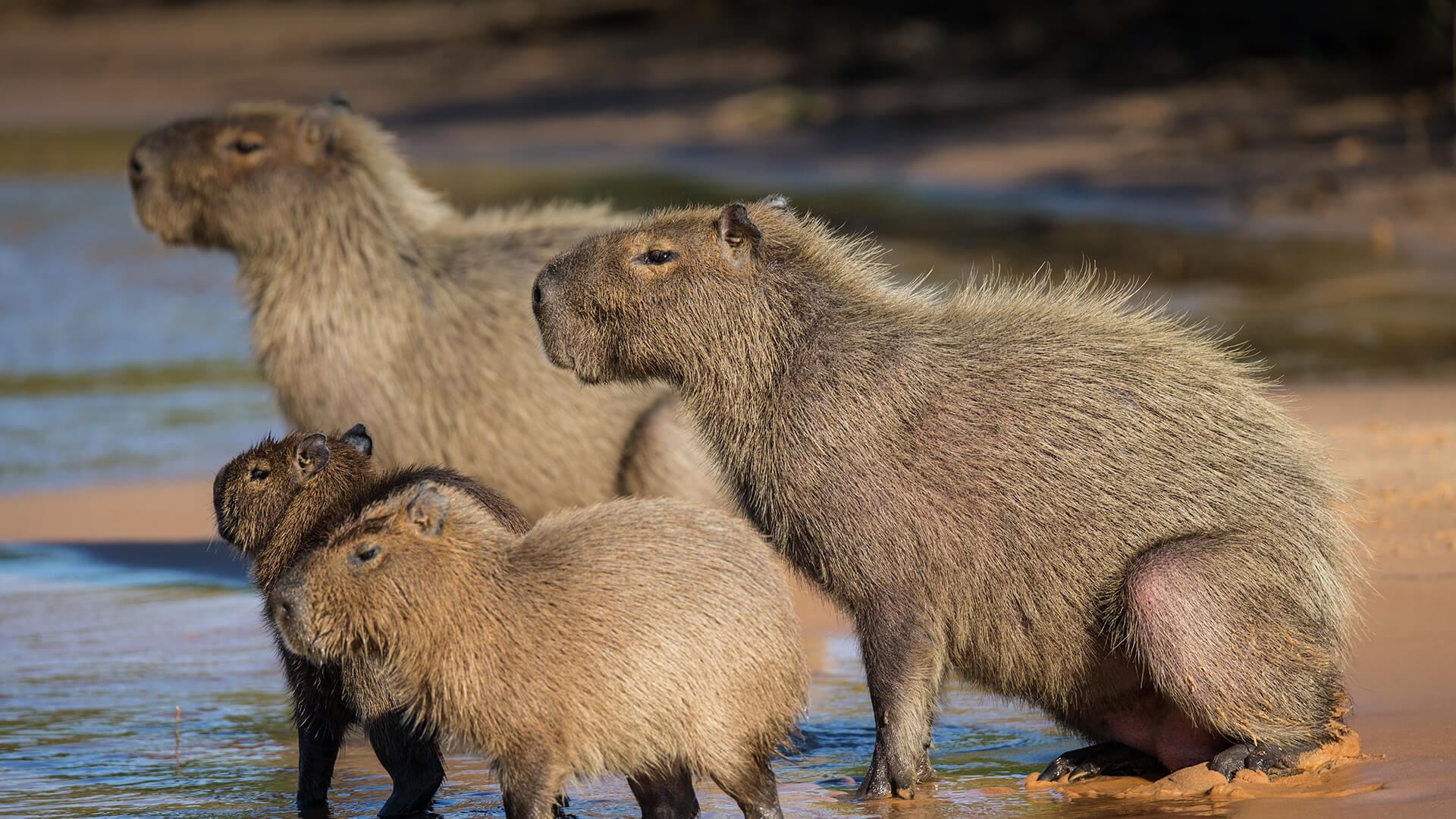
These animals are herbivores, feeding mostly on grasses and aquatic plants. They usually stay in groups, sometimes numbering up to 40 individuals. This social behavior helps them survive and avoid dangers.
Current Conservation Status
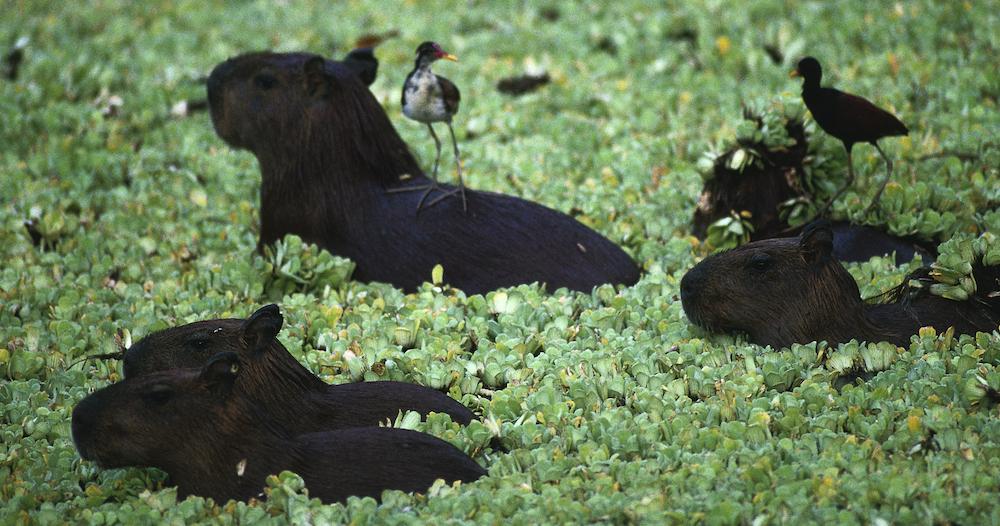
The International Union for Conservation of Nature (IUCN) lists the capybara as Least Concern. This means capybaras are not currently endangered. Their population is stable, and they are common throughout their range.
Here is a comparison of capybara conservation status with other South American mammals:
| Species | IUCN Status | Estimated Population |
|---|---|---|
| Capybara | Least Concern | Millions |
| Jaguar | Near Threatened | ~64,000 |
| Giant Anteater | Vulnerable | Unknown |
| Maned Wolf | Near Threatened | ~23,600 |
Capybaras have a wide distribution and strong numbers. Unlike the jaguar or giant anteater, their populations are not facing severe decline.
Credit: www.greenmatters.com
Main Threats To Capybaras
Although capybaras are not endangered, they do face some threats:
- Habitat Loss: Deforestation and land development reduce their natural environments. Wetlands and riverbanks are being converted to farms or cities.
- Hunting: In some regions, capybaras are hunted for their meat and skin. Their hides are used in leather products.
- Human Conflict: Capybaras sometimes raid crops, which leads farmers to see them as pests. This can result in conflict and culling.
However, their adaptability makes them less vulnerable than other species. They can live in agricultural areas and urban parks, as long as water is nearby.
Population Trends And Numbers
Capybaras are estimated to number in the millions across South America. In Brazil, they are especially common and even seen in city parks. Their ability to reproduce quickly helps maintain their numbers.
Capybaras can have up to 8 pups per litter, and females may breed twice a year. This high birth rate is a key factor in their population stability.
Here is a quick view of their population compared to other rodents:
| Rodent Species | Global Population | Conservation Status |
|---|---|---|
| Capybara | Millions | Least Concern |
| Beaver | ~10 Million | Least Concern |
| Chinchilla | ~10,000 | Endangered |
The capybara stands out for its strong numbers, especially compared to species like the chinchilla, which is endangered.
Protection And Management
Capybaras benefit from several management strategies:
- Legal Protections: In some countries, hunting is regulated or banned. This helps control over-exploitation.
- Sustainable Use: In places like Venezuela and Brazil, capybaras are farmed for meat and leather. This regulated farming reduces illegal hunting.
- Wetland Conservation: Protecting rivers and wetlands indirectly protects capybara habitats.
A surprising insight is that capybara farming has helped some local economies and reduced wild hunting. This is different from many endangered animals, where farming is not possible.
Capybaras In Human Environments
Many capybaras now live near humans—city parks, golf courses, and farms. Their presence in urban areas is growing. They adapt well, but this creates new challenges:
- Risk of traffic accidents
- Crop damage
- Disease transmission
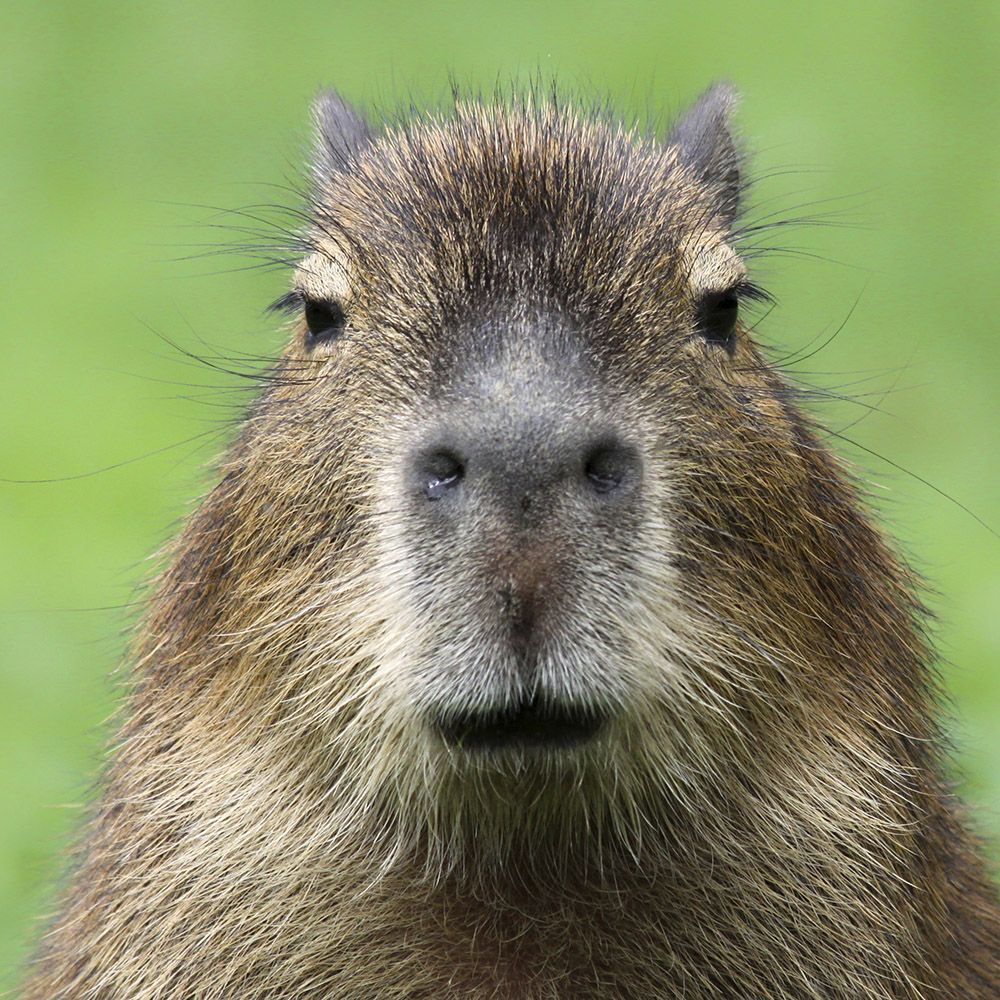
Despite these problems, capybaras are not considered a major threat to humans, and many people enjoy seeing them in parks.
Credit: www.rainforest-alliance.org
Why Capybaras Are Not Endangered
Several factors explain why capybaras are not endangered:
- Wide Distribution: They live in many countries across South America.
- High Reproduction Rate: Capybaras breed quickly and often.
- Adaptability: They can survive in both wild and urban settings.
- Group Living: Living in groups helps protect them from predators.
Few rodent species can match their resilience. Even with hunting and habitat changes, their numbers remain high.
Non-obvious Insights
Most beginners miss these points:
- Capybara farming is legal and common in some countries. This reduces hunting pressure and supports local economies.
- Capybaras are not always seen as pests; in some areas, they help maintain healthy wetland ecosystems by grazing.
If you want more details on capybara populations and threats, visit the Wikipedia page for scientific updates.
Credit: animals.sandiegozoo.org
Frequently Asked Questions
What Is The Iucn Status Of Capybaras?
The IUCN lists the capybara as Least Concern, meaning they are not endangered.
Where Are Capybaras Found?
They live across South America—mainly in Brazil, Venezuela, Colombia, Argentina, and Uruguay.
What Are The Main Threats To Capybaras?
The biggest threats are habitat loss, hunting, and conflict with farmers. Their adaptability helps reduce these risks.
How Fast Do Capybaras Reproduce?
Capybaras can have up to 8 pups per litter, and females may breed twice a year. This keeps their population strong.
Are Capybaras Protected By Law?
Yes, in some countries, hunting and farming are regulated. This protects wild populations and supports sustainable use.
Capybaras are a unique animal, not only for their size and calm nature but also for their ability to thrive in changing environments. While many animals are struggling, capybaras remain safe—thanks to their adaptability, strong reproduction, and wide range. Watching capybaras in the wild reminds us of nature’s resilience and the importance of smart conservation.


