

Capybaras are gentle giants that have become internet favorites in recent years. Their calm nature and unique appearance make them stand out among other animals. But many people wonder: Are capybaras exotic animals? Understanding this requires looking at their natural history, legal status, and what “exotic” really means.
What Makes An Animal Exotic?
The word exotic animal is often confusing. It does not simply mean “wild” or “unusual.” In animal care and law, an exotic animal is a species not native to the country or region where it is kept. For example, a parrot in the United States is exotic, but not in South America.
Exotic animals are often:
- Not domesticated for thousands of years
- Rarely kept as pets in most homes
- Native to a different part of the world
A domestic dog is not exotic, but a sugar glider or a serval cat is considered exotic in many countries.
Capybara: Origin And Natural Habitat
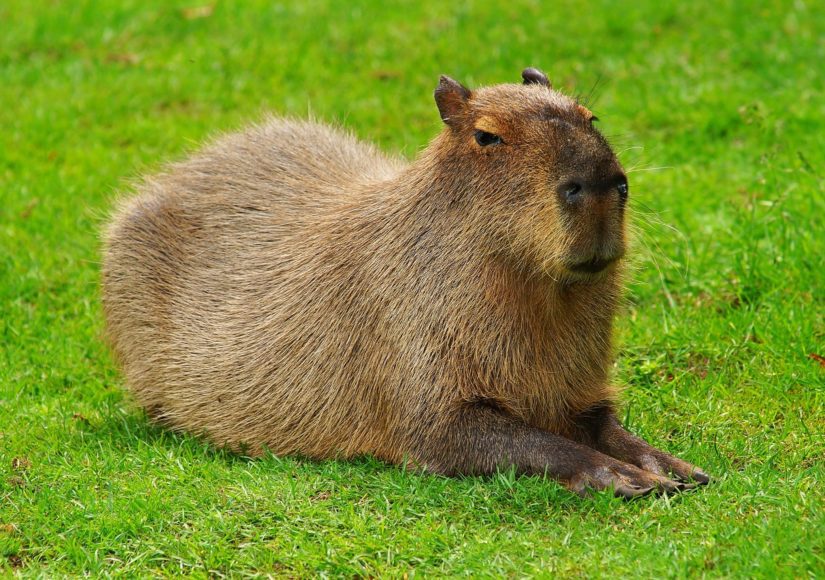
The capybara (Hydrochoerus hydrochaeris) is the world’s largest rodent. Capybaras come from South America, living in countries like Brazil, Venezuela, and Colombia. They love areas near water—rivers, lakes, and wetlands.
Capybaras are social, living in groups of up to 40. They eat mostly grass and plants, and spend much of their time in water to cool off and avoid predators.
| Feature | Capybara | Guinea Pig |
|---|---|---|
| Adult Size | 40–70 kg (88–154 lbs) | 0.7–1.2 kg (1.5–2.6 lbs) |
| Habitat | Wetlands, rivers | Grasslands, forests |
| Native Range | South America | South America |

Credit: www.thedunhamfarm.com
Why Capybaras Are Considered Exotic
Capybaras are not native to most countries outside South America. This makes them exotic in North America, Europe, Asia, and Africa. Even though capybaras are related to guinea pigs, they are still wild animals in most parts of the world.
Reasons capybaras are classified as exotic include:
- Origin: Native only to South America.
- Domestication: Not fully domesticated. They can be tamed, but they have wild instincts.
- Unusual Pet: Rarely seen as pets compared to cats or dogs.
- Special Care: Require unique housing, diet, and medical care.
Some animal experts and laws use a stricter definition. They consider any non-domesticated animal from another continent as exotic, no matter how calm or friendly it seems.
Capybara Legal Status Around The World
The rules for keeping capybaras as pets change from place to place. In many countries, owning a capybara is not allowed or needs a special permit.
| Country/Region | Capybara Pet Status | Permit Needed? |
|---|---|---|
| United States | Varies by state | Often yes |
| Canada | Mostly restricted | Usually yes |
| UK | Restricted | Yes |
| Brazil | Not a pet, wild animal | N/A |
In the US, some states like Texas allow capybaras with a permit, while California bans them as pets. The rules are strict because capybaras can spread diseases and need special care.
Credit: spca.bc.ca
Capybara Care: Not Like Other Pets
Some people think capybaras are just big guinea pigs. In reality, they need much more care. If you keep a capybara as a pet, you must provide:
- A large, secure outdoor space
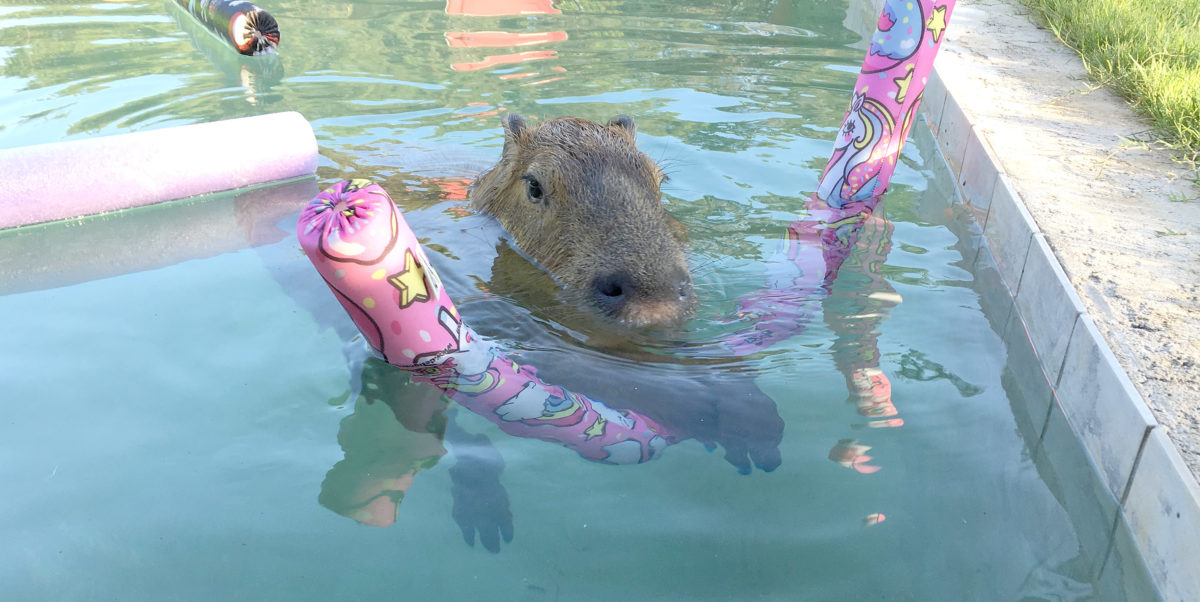
- A swimming area (they need water for health and stress relief)
- Special food like fresh grass, hay, and vegetables
- Companionship (capybaras are lonely if kept alone)
Capybaras can live up to 10 years in captivity. They are intelligent and gentle, but they also have strong teeth and can be destructive. Veterinary care for capybaras is hard to find in many places, and few vets have experience with them.
| Care Factor | Capybara | Dog |
|---|---|---|
| Space Needed | Large outdoor area + water | Yard or walks |
| Social Needs | Needs group/companion | Often fine as single pet |
| Food | Fresh grass, hay, veg | Commercial dog food |
Capybaras In Zoos And Animal Parks
Because of their exotic status, most people see capybaras in zoos or animal parks. Zoos can give them the right environment and social groups. Capybaras are often used in animal therapy because they are calm and enjoy being around people and other animals.
Zoos must follow strict rules to keep capybaras healthy and prevent disease. These animals sometimes escape, which can be a problem in places where they are not native.
Unique Insights About Capybaras As Exotic Animals
Many beginners do not realize two important things:
- Capybaras may be illegal to own in many places, even if you see social media videos of people with pet capybaras. Always check local and national laws before thinking about keeping one.
- Capybaras need company. A single capybara can become lonely and stressed, leading to health and behavior problems. Most experts recommend keeping at least two capybaras together.
Another point is that capybaras can carry diseases that affect other pets and even humans. Responsible ownership means understanding these risks and having access to exotic animal vets.
Are Capybaras Good Pets?
For most people, capybaras are not good pets. They are exotic animals that require much more care than traditional pets. They are best enjoyed in zoos or wildlife parks where their needs can be met.
If you are interested in owning a capybara, research your country’s laws, find a qualified vet, and be ready for a big commitment. If you want to read more about capybara behavior and care, you can visit this Wikipedia page.
Credit: www.fearfreehappyhomes.com
Frequently Asked Questions
Are Capybaras Legal To Own Everywhere?
No, owning a capybara is not legal in all places. Many countries and states require permits, and some ban them completely. Always check your local laws first.
Do Capybaras Make Good Pets For Children?
Capybaras are gentle but not ideal for children. They need space, special care, and companionship. They are not as easy to keep as dogs or cats.
How Much Space Does A Capybara Need?
A capybara needs a large outdoor area—at least 100 square meters—with a pool or pond for swimming. They cannot stay healthy in small spaces.
What Do Capybaras Eat?
Capybaras eat mainly fresh grass, hay, and vegetables. They need a lot of fiber and access to clean water at all times.
Can Capybaras Live Alone?
Capybaras are social animals. They should not be kept alone. Loneliness can cause stress and health problems, so they do best with other capybaras.
Capybaras are fascinating and unique. But because of their origin, special needs, and the laws in many countries, they are truly exotic animals—not suitable for most homes. If you admire them, visiting them in a zoo or wildlife park is the best way to enjoy their company.


