

Capybaras are fascinating animals that capture the hearts of many with their gentle nature and unique appearance. People often ask, “Are capybaras from Brazil? ” The answer is more than a simple yes or no. Let’s explore where capybaras come from, why Brazil is important for them, and what makes these animals so special.
The Capybara’s Natural Origins
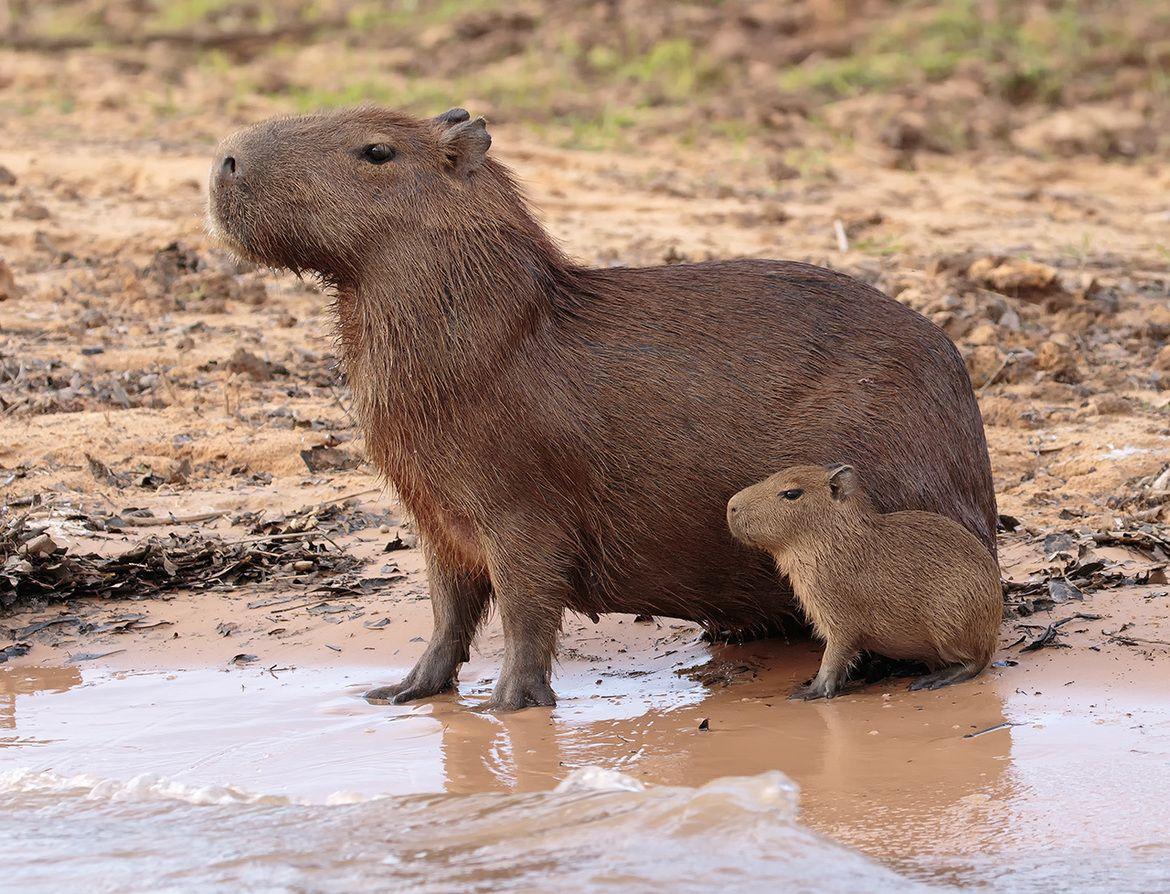
Capybaras are the world’s largest rodents. They are semi-aquatic mammals, which means they live near water and are excellent swimmers. The scientific name for capybaras is Hydrochoerus hydrochaeris.
These animals are native to South America, and their range covers many countries. However, Brazil is the country where capybaras are most common and where they thrive the best.
Capybaras In Brazil
Brazil is home to the largest population of capybaras in the world. The country’s warm, humid climate and many rivers and wetlands provide the perfect environment for these animals. In fact, you can find capybaras in almost every region of Brazil, from the Amazon rainforest to the Pantanal wetlands.
Brazil’s national parks and protected areas, such as the Pantanal and Amazon Basin, offer large, safe habitats for capybaras. In cities like Brasília and São Paulo, capybaras are sometimes seen near lakes and parks, living alongside humans.

Credit: www.youtube.com
Range Beyond Brazil
Although Brazil is the main stronghold for capybaras, these animals are not exclusive to this country. You can find wild capybaras in:
- Venezuela
- Colombia
- Argentina
- Paraguay
- Uruguay
- Peru
- Ecuador
The capybara’s range stretches from the north of South America, near the Caribbean coast, down to the southern grasslands. However, the largest and healthiest populations remain in Brazil.
Why Brazil Is Important For Capybaras
Brazil’s environment is key for capybaras. The country has:
- Many freshwater sources — Capybaras need water for safety, cooling off, and feeding.
- Rich plant life — They are herbivores and eat grasses, aquatic plants, and fruit.
- Few natural barriers — The flat, open lands make it easy for capybaras to travel and find new habitats.
Brazil’s laws also help protect capybaras. Hunting is regulated, and conservation efforts in Brazil focus on maintaining natural habitats. This is one reason why capybaras are not considered endangered.
Credit: www.reachtheworld.org
Capybara Habitats: A Closer Look
Capybaras prefer wetlands, marshes, and riverbanks. Let’s compare their presence in different Brazilian habitats:
| Habitat | Capybara Population | Typical Features |
|---|---|---|
| Pantanal | Very High | Flooded plains, rich vegetation |
| Amazon Basin | High | Dense forests, many rivers |
| Cerrado | Medium | Grasslands, seasonal rivers |
| Urban Parks | Low | Man-made lakes, open lawns |
The Pantanal is especially famous for having large herds of capybaras, often seen relaxing in the water or grazing in the open.
How Capybaras Adapt To Their Environment
Capybaras have special traits that help them survive in Brazil:
- Webbed feet for swimming
- Eyes and nostrils on top of the head to see and breathe while mostly underwater
- Thick fur that dries quickly
- Social lifestyle — they live in groups of 10–20, sometimes more
These features help capybaras avoid predators like jaguars and caimans by quickly diving into water or hiding in tall grass.
Population Data And Conservation
Capybaras are not endangered. In Brazil, their population is stable or even growing in some areas. Here’s a summary of capybara numbers in South America:
| Country | Estimated Population | Population Trend |
|---|---|---|
| Brazil | Over 1,000,000 | Stable/Growing |
| Venezuela | 200,000–300,000 | Stable |
| Argentina | 100,000+ | Stable |
One reason their numbers are strong in Brazil is the lack of large-scale threats. However, urban growth and water pollution can sometimes cause local problems.
Capybaras And Brazilian Culture
Capybaras appear in Brazilian folklore and are often seen as symbols of calm and friendliness. Some people even keep capybaras as pets, though this is not common or recommended due to their special needs.
In Brazil, capybaras have even become local mascots. For example, in parks around São Paulo, families enjoy watching these animals up close. The capybara’s relaxed attitude has made it popular on social media, with many photos of capybaras lounging by the water or with other animals.

Credit: news.cgtn.com
Are Capybaras Found Outside South America?
While capybaras are native to South America, there are small populations in other places due to introduction by humans. For example, capybaras live in some areas of Florida, USA, and in Japan, where they are kept in zoos and sometimes escape into the wild.
However, only in Brazil and neighboring countries do capybaras live naturally and in large numbers. Their way of life is deeply connected to the tropical and subtropical climates of South America.
Two Insights Many Beginners Miss
- Capybaras are not just from Brazil — While Brazil is home to the most capybaras and the best conditions for them, many other South American countries also have wild populations. The idea that capybaras are only Brazilian is a common mistake.
- Capybaras need water access — Beginners may think capybaras can live anywhere, but without nearby water sources, they cannot survive. Their close connection to rivers and wetlands is essential to their health and safety.
Frequently Asked Questions
Are Capybaras Only Found In Brazil?
No, capybaras also live in Venezuela, Colombia, Argentina, Paraguay, Uruguay, Peru, and Ecuador. Brazil has the biggest population, but they are native to most of northern and central South America.
Why Are Capybaras So Common In Brazil?
Brazil’s climate, large wetlands, and many rivers create ideal living conditions for capybaras. The country’s size and conservation efforts also help their population thrive.
Can You Keep A Capybara As A Pet In Brazil?
Some people in Brazil keep capybaras as pets, but it is not simple. Capybaras need a lot of space, water, and social time with other capybaras. They are best enjoyed in the wild or in animal reserves.
What Do Capybaras Eat In Brazil?
Capybaras eat mainly grasses, aquatic plants, and sometimes fruit. In Brazil, they feed on native plants found near rivers and lakes, which keep them healthy.
Are Capybaras Dangerous To Humans?
Capybaras are gentle and rarely dangerous. They are social and calm, but like any wild animal, they can bite if threatened or scared. It is important to give them space.
Capybaras are truly one of Brazil’s most unique animals. While they are not exclusive to Brazil, the country offers the best home for these peaceful giants. Understanding their needs and their connection to Brazil helps us appreciate just how special capybaras are in the animal world. To learn more, you can check the Wikipedia page on capybaras for more details.


