

Many people love the image of capybaras relaxing in hot springs, surrounded by snow and Japanese gardens. This cute scene is popular online and often linked to Japan. But are capybaras from Japan? The answer is more interesting than you might think. Let’s look deeper into where capybaras really come from, why they are so famous in Japan, and what makes these animals special.
Where Capybaras Really Come From
Capybaras are not native to Japan. The natural habitat of the capybara is in South America. You can find them in countries like Brazil, Venezuela, Colombia, and Argentina. These animals live near rivers, lakes, and wetlands. Capybaras enjoy water, and their webbed feet help them swim easily.
In the wild, capybaras live in groups, sometimes with up to 100 members during the dry season. They are the largest rodents in the world, with adults weighing between 35 to 66 kg (77 to 146 lbs). Their main food is grass and aquatic plants.
Capybaras In Japan: Why Are They So Popular?
Japan is not the home of the capybara, but the country has become famous for its capybara attractions. Japanese zoos and animal parks started bringing capybaras from South America in the 1960s. Today, you can find capybaras in many places across Japan.
A big reason for their popularity in Japan is their calm and friendly nature. Capybaras often let people touch them and take photos. In winter, some Japanese zoos put capybaras in hot spring baths (onsen). This tradition started in the 1980s at Izu Shaboten Zoo. The sight of capybaras soaking in steamy water, sometimes with citrus fruits floating around, quickly became a favorite for visitors.

Credit: www.biopark.co.jp
Comparing Capybara Habitats: South America Vs. Japan
Let’s compare where capybaras live in the wild and where they live in Japan:
| Feature | South America | Japan (Zoos & Parks) |
|---|---|---|
| Climate | Tropical, humid, warm | Temperate, cold winters |
| Habitat | Wetlands, rivers, lakes | Man-made enclosures |
| Group Size | 10-100 (wild) | 2-20 (captivity) |
| Bathing | Natural water sources | Hot springs, pools |
How Capybaras Became A Cultural Icon In Japan
Even though capybaras are not native to Japan, they have become a cultural phenomenon. Some Japanese people see capybaras as a symbol of relaxation and harmony. Their peaceful lifestyle fits well with Japanese ideas of calmness.
Several zoos and animal parks across Japan now have special “capybara onsen” events in winter. These events attract thousands of visitors every year. Capybaras also appear in Japanese cartoons, toys, and even as mascots for businesses.
Notable Capybara Attractions In Japan
- Izu Shaboten Zoo (Shizuoka): Famous for starting the capybara hot spring tradition.
- Nasu Animal Kingdom (Tochigi): Known for large capybara families.
- Nagasaki Bio Park (Nagasaki): Guests can feed and interact with capybaras.
- Saitama Children’s Zoo (Saitama): Offers capybara petting sessions.
- Kyoto City Zoo (Kyoto): Features educational capybara exhibits.

Credit: jobsinjapan.com
Capybaras As Pets In Japan
In Japan, some people keep capybaras as exotic pets. However, this is rare and not simple. Capybaras are social animals. They need space, water to swim in, and a group for company. Japanese law also has strict rules for keeping wild animals as pets.
Here are some challenges of keeping a capybara as a pet in Japan:
- Space: Capybaras need a large outdoor area and a pond or pool.
- Diet: They must eat fresh grass and special pellets.
- Company: Capybaras can become lonely and stressed if kept alone.
- Health: Regular check-ups and special care are needed.
Most experts recommend visiting capybaras in zoos or animal cafes instead of keeping them at home.
Capybara Behavior: What Makes Them Unique?
Capybaras are famous for their friendly and calm personalities. In the wild, they use whistles, barks, and clicks to communicate with each other. They are herbivores, eating mainly grass, fruit, and aquatic plants.
Unlike many other rodents, capybaras are very social. They share food, groom each other, and sleep close together. This peaceful behavior is one reason why they get along well with other animals, even in zoos.
Quick Facts: Capybara Vs. Other Rodents
To understand why capybaras are special, let’s compare them to other common rodents:
| Animal | Average Weight | Home Region | Social Nature |
|---|---|---|---|
| Capybara | 35-66 kg | South America | Very social |
| Guinea Pig | 0.7-1.2 kg | South America | Social |
| Beaver | 16-32 kg | North America | Social (family units) |
| Rat | 0.2-0.5 kg | Worldwide | Social |
Why Some People Think Capybaras Are Japanese
The main reason people link capybaras to Japan is due to the country’s creative animal attractions and media. The “capybara onsen” images are unique to Japan. Many viral photos and videos show capybaras surrounded by Japanese scenery.
Also, Japanese pop culture often features capybaras in manga, anime, and advertising. This can make it easy to forget that these animals originally come from much warmer, tropical places.
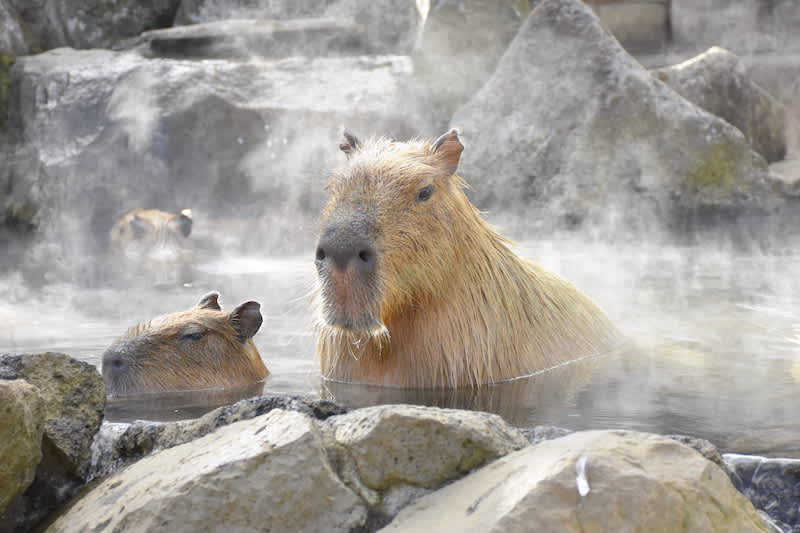
Credit: www.japan.travel
Two Insights Beginners Often Miss
- Capybaras do not naturally live in cold climates. The hot spring baths in Japan are a special treat to help them stay warm during Japanese winters. In the wild, capybaras only experience warm, humid weather.
- Japanese capybaras are all descendants of imported animals. There are no wild capybaras in Japan. Every capybara you see in a Japanese zoo or animal park has ancestors from South America.
Frequently Asked Questions
Are Capybaras Native To Japan?
No, capybaras are not native to Japan. They come from South America and were first brought to Japan by zoos.
Why Do Capybaras Bathe In Hot Springs In Japan?
Japanese zoos give capybaras hot spring baths to help them stay comfortable during cold winters. It’s also a popular attraction for visitors.
Can You Find Wild Capybaras In Japan?
You cannot find wild capybaras in Japan. All capybaras in the country live in zoos, parks, or sometimes as pets.
Do Capybaras Live Well In Japanese Zoos?
Yes, most Japanese zoos create special spaces with warm water and grass to keep capybaras healthy and happy.
Where Can I Learn More About Capybaras?
A good source for more information is the Wikipedia page on Capybaras.
Capybaras may seem like they belong in Japanese gardens, but their roots are deep in South America’s wetlands. Japan has embraced these gentle giants and turned them into cultural icons, but it is important to remember where they truly come from.
Next time you see a photo of a capybara relaxing in an onsen, you’ll know the real story behind this calm and friendly animal.


