
Capybaras are known as the world’s largest rodents, but their aquatic abilities often surprise people. If you’ve ever seen videos of capybaras gliding through water or relaxing by the riverbank, you might wonder: are capybaras good swimmers? Let’s explore how these gentle giants use water, what makes them strong swimmers, and some interesting facts that most people don’t know.
Capybara Anatomy: Built For Swimming
Capybaras have a body shape that helps them move easily in water. Their webbed feet are a big advantage. These feet work like paddles, letting capybaras push through water with less effort. The eyes, ears, and nostrils of capybaras are positioned high on their heads, so they can keep most of their body underwater and still breathe or watch for danger.
They also have dense fur that dries quickly. This is important because capybaras often go in and out of water many times a day. Their bodies are stocky and round, which gives them good buoyancy. These features together make capybaras very comfortable in water.
Swimming Skills And Behavior
Capybaras are not just casual swimmers—they are experts. In the wild, they spend hours each day in water. Their favorite spots are rivers, lakes, ponds, and marshes. These places offer food, safety, and cool temperatures.
Capybaras can:
- Swim up to 5 miles per hour. This is fast for such a large animal.
- Dive underwater for up to 5 minutes. They can hold their breath while hiding from predators.
- Float calmly or paddle quickly. Capybaras use both styles, depending on their mood or needs.
These rodents use water for more than travel. They escape heat by swimming, and when threatened by predators like jaguars or caimans, they dive and hide underwater. Capybaras also mate and socialize in water, so it’s a central part of their daily life.
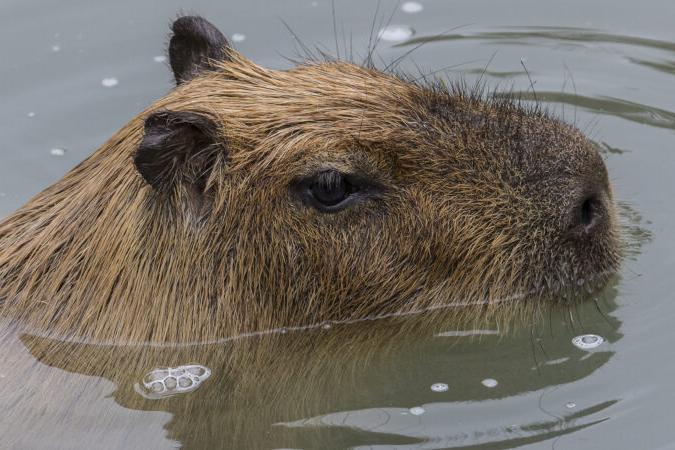
Credit: sandiegozoowildlifealliance.org
Capybaras Compared To Other Swimming Animals
To understand if capybaras are good swimmers, it helps to compare them with other animals.
| Animal | Swimming Speed (mph) | Underwater Time (minutes) |
|---|---|---|
| Capybara | 5 | 5 |
| Otter | 6 | 4 |
| Beaver | 3 | 15 |
| Dog (average) | 3 | 2 |
Capybaras are faster than beavers and dogs, and they stay underwater longer than otters. While not as agile as otters, capybaras are among the best swimming mammals of their size.
Why Capybaras Need Water
Water is more than just a playground for capybaras. It’s essential for their health and survival.
- Temperature control: Capybaras do not sweat much. Water helps them cool down during hot days.
- Safety: Predators often cannot follow them underwater. Capybaras use water to hide.
- Food: They eat aquatic plants found in lakes and rivers.
Capybaras are so attached to water that they can become stressed if they don’t have access to it. In zoos or as pets, they need pools or ponds to stay happy and healthy.

Credit: www.iflscience.com
Unique Swimming Adaptations
There are some special features that most people don’t notice:
- Capybaras can sleep in water. They rest while floating, keeping their noses above the surface.
- Their skin dries fast. This prevents infections that might happen from being wet too long.
- Group swimming: Capybaras often swim with family groups. This offers protection and helps young capybaras learn to swim.
These adaptations are rare among land mammals. They show how important swimming is to capybaras.
Capybaras In Captivity: Swimming Needs
When capybaras live in zoos or with humans, their swimming ability must be respected. If they don’t have water, they can develop health problems such as:
- Skin diseases
- Stress and boredom
- Poor body condition
Most zoos and responsible pet owners provide large pools. The water should be deep enough for swimming and clean to avoid illness. Capybaras also enjoy mud and shallow water, so their enclosures often have both.
Here’s a comparison of capybara habitats in the wild and in captivity:
| Habitat | Water Area Size | Swimming Frequency |
|---|---|---|
| Wild | Natural rivers/lakes (1000+ sq m) | Daily |
| Zoo | Pools (50–200 sq m) | Daily |
| Home (pet) | Ponds/Pools (10–30 sq m) | Few times a week |
This shows that capybaras need water, no matter where they live. Without it, their swimming skills fade, and their health suffers.

Credit: www.youtube.com
Young Capybaras: Learning To Swim
Baby capybaras start swimming very early. Within a few days of birth, they join their mothers in the water. Adults teach them by example, and the babies learn quickly.
Swimming helps young capybaras avoid predators. They also bond with their family in water. Most capybaras become strong swimmers before they are one month old.
Non-obvious Insights For Beginners
Many people believe capybaras only swim in shallow water, but they are comfortable in deep ponds and rivers. Another surprising fact is that capybaras use water as a social space—they groom each other, play, and even communicate with unique sounds while swimming.
Most beginners miss the point that capybaras can swim at night. Their vision and hearing are good enough to move safely, even when it’s dark.
Frequently Asked Questions
Can Capybaras Swim In Cold Water?
Capybaras prefer warm water, but they can swim in cool temperatures. However, cold water can stress them and lead to health problems if they stay too long.
How Long Can A Capybara Stay Underwater?
A capybara can hold its breath for up to five minutes. This is useful for hiding from predators or searching for food.
Do Capybaras Swim Alone Or In Groups?
Capybaras often swim in groups. This offers protection and helps them socialize. Young capybaras learn by watching adults.
Are Capybaras Faster On Land Or In Water?
Capybaras are faster in water than on land. They can reach speeds of up to 5 miles per hour in water, but only about 2–3 miles per hour on land.
What Happens If A Capybara Cannot Swim?
If a capybara does not have access to water, it can become stressed, develop health issues, and lose its swimming ability over time. Water is essential for their physical and mental health.
Capybaras are not just good swimmers—they are experts. Their unique body features, behavior, and social habits all center around water. Whether in the wild or in captivity, capybaras need water every day. Understanding their swimming skills helps us appreciate how special these animals are. If you want to learn more about capybara biology, visit the Wikipedia page for in-depth details.
Capybaras remind us that being good swimmers is not just about speed or skill—it’s also about adapting to your environment and making water a part of your daily life.


