

Capybaras are the world’s largest rodents, famous for their calm nature and adorable looks. You may have seen them relaxing in pools or cuddling with other animals online. But is owning a capybara as easy as it seems? Many people are drawn to these gentle giants, but few realize the level of care they truly need.
If you are considering a capybara as a pet, it’s important to understand what’s involved. This guide looks at the real challenges, daily needs, and hidden responsibilities that come with capybara care.
What Makes Capybaras Unique Pets
Capybaras are not your average small pet. Native to South America, these animals can weigh up to 150 pounds and live for 8-12 years. They are highly social, semi-aquatic creatures who need both land and water to thrive. Unlike dogs or cats, capybaras have specific needs that can be hard to meet in a typical home.
One thing many first-time owners miss: capybaras are herd animals. They need social interaction with other capybaras. Keeping just one can cause loneliness and stress, leading to health and behavior problems.
Housing And Space Requirements
Capybaras need a lot of space. A small cage or backyard is not enough. Experts recommend at least 250 square feet per capybara, but more is better. This area should be safe, escape-proof, and include both land and water.
| Requirement | Minimum Size | Notes |
|---|---|---|
| Outdoor Enclosure | 250 sq ft/capybara | Fencing must be secure |
| Swimming Pool/Pond | At least 4 ft deep | Must allow full submersion |
| Shelter | Weatherproof | Protection from sun/cold |
Capybaras are great climbers and diggers. Fences should be at least 4 feet high and buried a foot underground to prevent escapes. They also need shaded areas and protection from harsh weather.
Diet And Feeding Needs
A healthy capybara diet is not simple. In the wild, they eat grasses, aquatic plants, and fruits. As pets, their diet should be close to this. Hay, especially timothy or orchard grass, should be available at all times. Fresh vegetables like carrots, squash, and leafy greens are also important.
Capybaras need plenty of vitamin C. Without it, they can develop scurvy—a common, but preventable, illness. Guinea pig pellets can help, as they are fortified with vitamin C.
| Food Type | Recommended Amount | Frequency |
|---|---|---|
| Hay (Timothy/Orchard) | Unlimited | Daily |
| Fresh Vegetables | 1-2 cups | Daily |
| Guinea Pig Pellets | 1/4-1/2 cup | Daily |
| Fresh Water | Unlimited | Always |
Some foods are dangerous for capybaras, including chocolate, onions, and processed human foods. Owners need to research every new food before offering it.
Social And Emotional Needs
Capybaras form close bonds, not just with other capybaras but sometimes with humans and other animals. However, they must not be kept alone. A single capybara can become depressed or even aggressive.
Many experts suggest owning at least two capybaras. If this is not possible, owners must spend several hours each day interacting with their pet. Even then, human company cannot fully replace capybara companionship.
Capybaras also need daily enrichment. Chew toys, digging areas, and swimming time all help prevent boredom and stress.
Health Care And Veterinary Access
Finding a veterinarian who knows how to treat capybaras can be difficult. Most vets focus on dogs, cats, or farm animals. Exotic animal vets are rare and often expensive.
Capybaras can suffer from:
- Dental problems (their teeth never stop growing)
- Parasites (especially if kept outdoors)
- Obesity (if diet is not managed)
- Vitamin C deficiency
Regular check-ups, proper diet, and a clean living space are essential. Emergency care can be costly, sometimes reaching thousands of dollars.
Cost Of Keeping A Capybara
Capybaras are not cheap pets. The initial setup (enclosure, fencing, pond) can cost several thousand dollars. Ongoing expenses include food, bedding, vet care, and enrichment.
Here’s a look at average yearly costs:
| Expense | Estimated Cost (USD) |
|---|---|
| Food and Supplements | $800 – $1,200 |
| Vet Care | $300 – $1,000 |
| Enclosure Maintenance | $200 – $500 |
| Enrichment/Toys | $100 – $300 |
These costs can rise quickly if you have more than one capybara, which is often necessary.
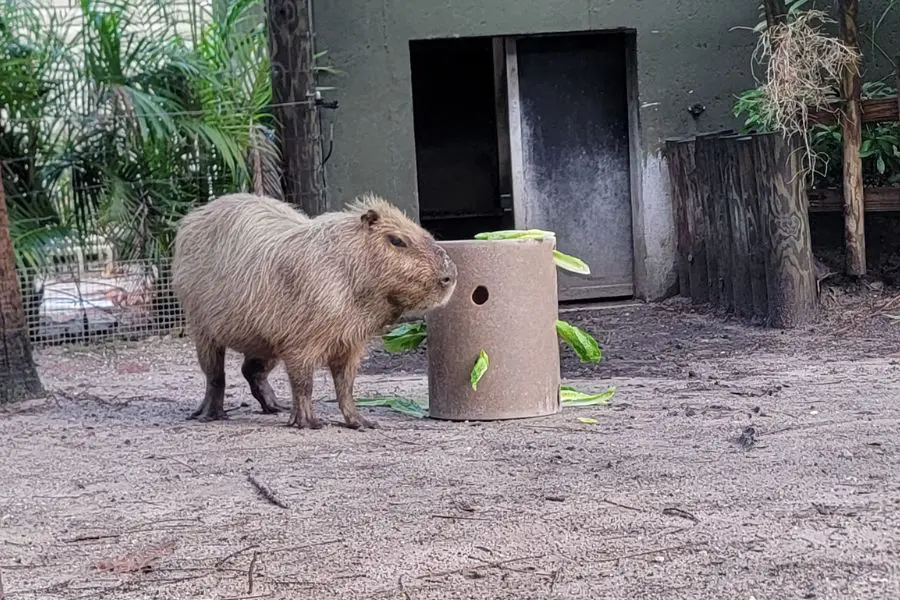
Credit: brevardzoo.org
Legal Issues And Restrictions
Capybaras are illegal or restricted in many places. In the United States, several states and cities ban them as pets. You may need a special permit or license. Always check local laws before buying or adopting a capybara.
Some areas require regular inspections and have strict rules about enclosure size and sanitation. Failing to follow these laws can lead to fines or removal of your pet.
For more details about legal status, see this Wikipedia article on capybaras.
Common Misconceptions And Hidden Challenges
Many people believe capybaras are like giant guinea pigs: easy-going and low-maintenance. This is not true. They require constant care, attention, and investment.
Two insights beginners often miss:
- Capybaras can be destructive. They chew on wood, wires, and even furniture if allowed indoors.
- They can be loud. Capybaras communicate with barks, whistles, and clicks, which can disturb neighbors.
Also, capybaras are not fully domesticated. They may bite if scared or handled roughly.
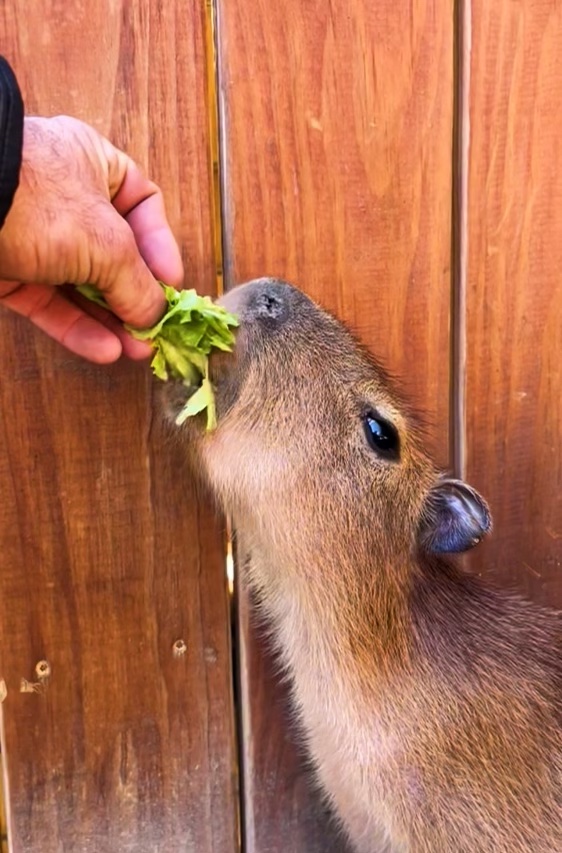
Credit: www.awsfzoo.com
Are Capybaras Right For You?
Owning a capybara is a big commitment. They need space, water, companionship, and daily care. Most homes and lifestyles are not suitable for these animals. If you cannot provide everything they need, it is better to admire capybaras from afar or visit them at a sanctuary.
Capybaras can be rewarding pets for those ready to meet their needs. But for most people, they are hard to take care of. Make sure you research, plan, and consider all aspects before making a decision.
Frequently Asked Questions
How Much Space Does A Capybara Need?
A single capybara needs at least 250 square feet of outdoor space, plus a swimming area. More space is always better, especially for groups.
Can You Keep A Capybara Indoors?
It is not recommended. Capybaras need large outdoor enclosures and access to water. Indoors, they can be destructive and unhappy.
Do Capybaras Get Along With Other Pets?
Sometimes. Capybaras are social but may not mix well with aggressive animals or those with strong prey drives. Always supervise interactions.
What Do Capybaras Eat?
Their diet is mainly grass, hay, vegetables, and vitamin C supplements. Avoid processed foods, sweets, and anything toxic to rodents.
Are Capybaras Legal To Own Everywhere?
No. Many places ban or restrict capybara ownership. Always check local laws and get the right permits before bringing one home.

Credit: rescatewildlife.org


