

Capybaras are the world’s largest rodents. With their friendly faces and calm nature, many people see them as gentle giants. But behind this peaceful image lies a more complex reality. In South America, where capybaras live, humans have interacted with them for centuries. One question often asked is: Are capybaras hunted? To answer this, let’s look closer at their history, reasons for hunting, and what this means for their future.
Where Capybaras Live And Their Role In Nature
Capybaras are found across much of South America. They live near rivers, lakes, and wetlands in countries like Brazil, Venezuela, Colombia, and Argentina. These animals are social, often seen in groups of 10 to 20. Some groups can be even larger during the dry season.
Capybaras play a key role in their ecosystem. They eat lots of grass and water plants, helping to keep the environment balanced. They are also a food source for animals like jaguars, anacondas, and caimans.
Are Capybaras Hunted?
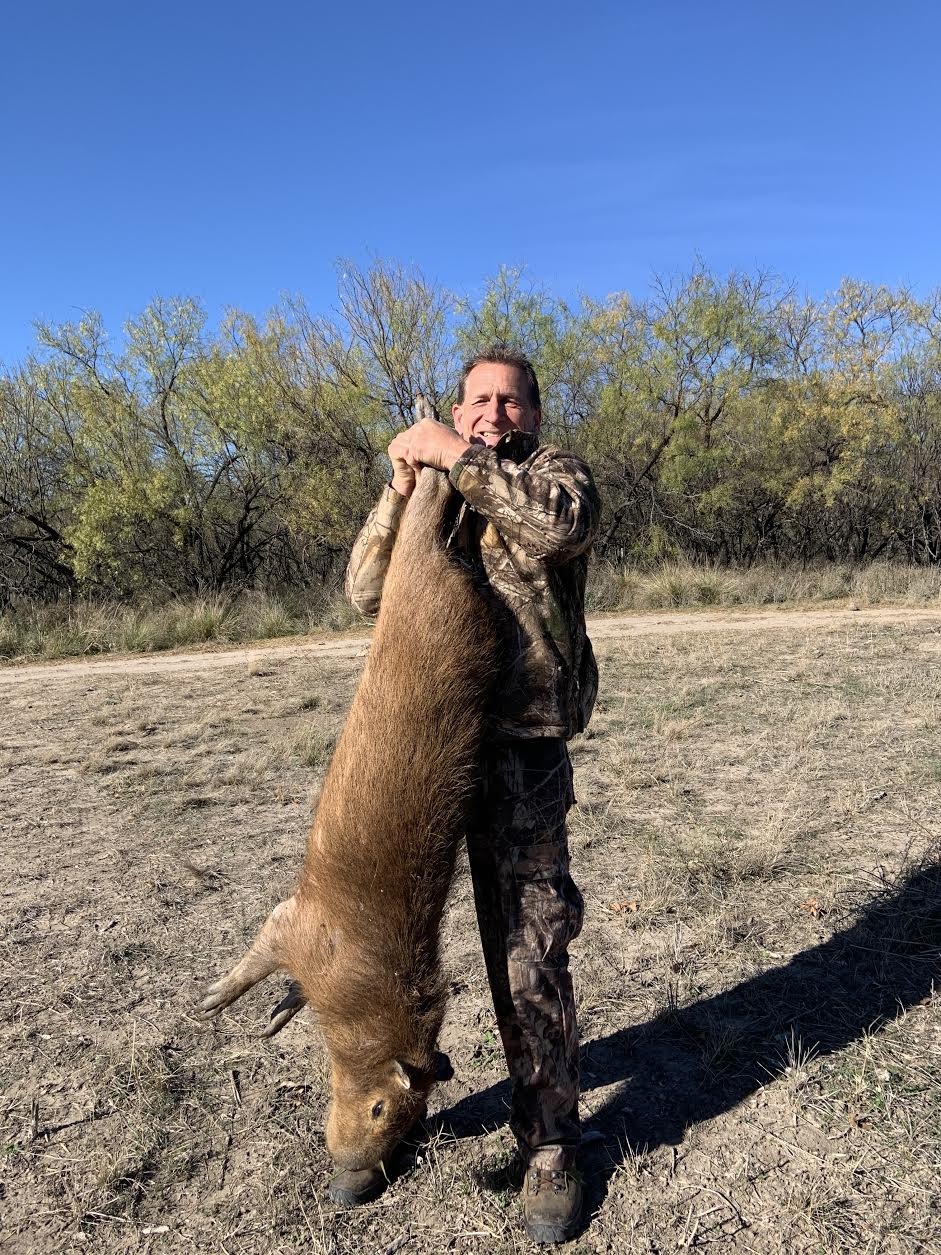
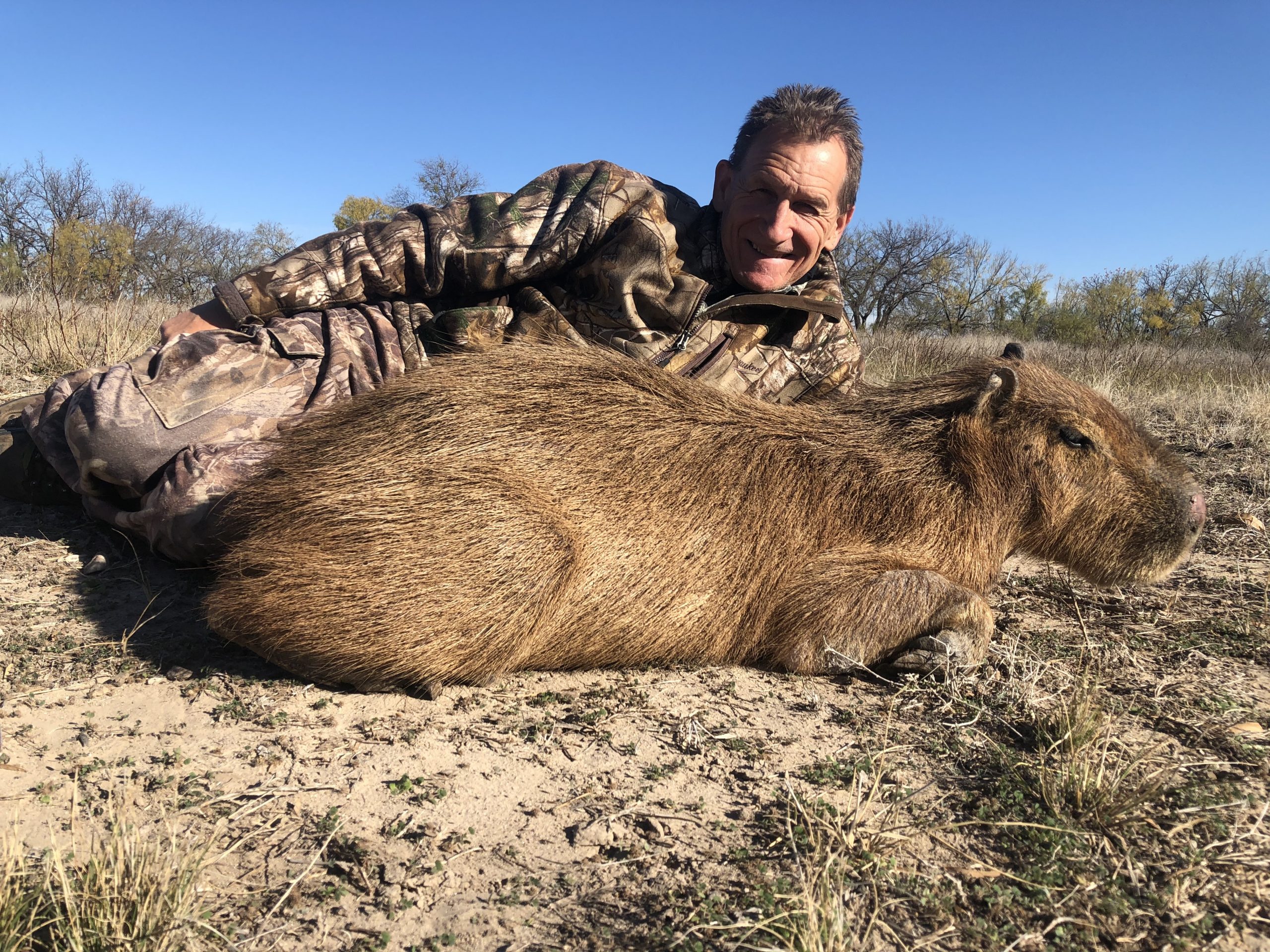
Yes, capybaras are hunted in many parts of their range. Hunting can be legal, traditional, or illegal. The reasons behind hunting are not always the same. Let’s break down the main factors.
Hunting For Meat And Leather
The most common reason people hunt capybaras is for their meat. In countries like Venezuela and Brazil, capybara meat is considered a delicacy. It is often eaten during special times, such as Lent, when some Catholics avoid eating red meat but allow capybara because it is considered “fish” by local tradition.
Capybara skin is also valuable. It is used to make high-quality leather products. Shoes, gloves, and bags made from capybara leather are soft and strong.
Hunting For Pest Control
In some places, capybaras are seen as agricultural pests. They can damage crops like rice, corn, and sugarcane. Farmers sometimes hunt them to reduce crop loss, especially during the dry season when food is scarce for the animals.
Traditional And Subsistence Hunting
For many Indigenous communities, hunting capybaras is part of their culture and survival. The meat and skin provide food and materials needed for daily life. This type of hunting is usually small-scale and does not harm capybara populations as much as commercial hunting.
Illegal Hunting And Trade
Illegal hunting happens when people break laws about when, where, and how many capybaras can be killed. Sometimes, capybara parts are sold in markets without permission. This can lead to problems if done too often, especially in areas where capybara numbers are low.

Credit: sportsafield.com
How Many Capybaras Are Hunted Each Year?
It’s hard to know the exact number of capybaras hunted every year. Different countries keep different records. For example, in Venezuela, estimates suggest that hundreds of thousands are hunted each year—mostly legally. In Brazil, numbers are lower, but still significant.
Here’s a simple comparison:
| Country | Estimated Capybaras Hunted/Year | Legal Status |
|---|---|---|
| Venezuela | 200,000–400,000 | Mostly legal, regulated |
| Brazil | 10,000–20,000 | Legal with restrictions |
| Argentina | Unknown (likely low) | Mostly illegal |
Some countries allow hunting only during certain months. Others ban it completely. Enforcement is not always strong, so numbers can be higher than official reports.
Is Hunting Capybaras Sustainable?
Capybaras reproduce quickly. A female can have up to eight babies at a time and may give birth twice a year. Because of this, their populations can grow fast, especially in areas with lots of water and grass.
In places like Venezuela, hunting is controlled through quotas and seasons. This helps keep numbers stable. Here’s how it works:
| Regulation Method | Purpose | Effectiveness |
|---|---|---|
| Hunting Quotas | Limit number hunted | High if enforced |
| Closed Seasons | Protect breeding times | Medium |
| Permits | Track hunters | Medium to high |
However, when hunting is unregulated or illegal, problems can happen. Local populations may fall too low, making it hard for them to recover. Also, hunting near water can damage wetland habitats.
Credit: www.huntsintexas.com
Capybara Conservation Status
According to the International Union for Conservation of Nature (IUCN), capybaras are listed as Least Concern. This means they are not currently at risk of extinction. Their large numbers and wide range help protect them.
But, there are local risks. In some areas, habitat loss, overhunting, and pollution are big threats. These issues don’t affect all capybaras, but they can harm some groups.
Non-obvious Insights About Capybara Hunting
Many beginners think hunting always means danger for a species. But for capybaras, well-managed hunting can help people and animals. For example, in Venezuela, ranches that raise capybaras for meat often protect wetlands, which helps other animals too.
Another thing people miss: hunting rules often change based on local needs. In one area, hunting may be needed to control crop damage, while in another, it could hurt a small population.
Credit: www.huntsintexas.com
What Does The Future Hold?
As South America develops, capybaras face new challenges. More farms and cities mean less wild space. Climate change can dry up wetlands, making it harder for capybaras to survive.
Still, their ability to adapt gives hope. With smart management, hunting can continue without harming their future. Local laws, education, and community efforts are key.
For deeper research on capybara conservation and hunting, see this Wikipedia article on capybaras.
Frequently Asked Questions
Why Are Capybaras Called “water Pigs”?
Capybaras spend much of their time in water, and their faces look a bit like pigs. That’s why people sometimes call them “water pigs”.
Is Capybara Hunting Allowed Everywhere?
No. Some countries allow it with permits and during certain seasons. In other places, it is banned or only allowed for local communities.
Does Hunting Harm Capybara Populations?
If well managed, hunting does not usually harm capybaras. But illegal or unregulated hunting can be dangerous, especially in small areas.
What Do People Use Capybara Leather For?
Capybara leather is soft and strong. It is used to make shoes, gloves, and other items, mostly in South America.
Are Capybaras Hunted For Sport?
In some regions, people hunt capybaras for sport, but this is less common than hunting for meat or leather.
Capybaras and humans have a long history together. While hunting is part of this story, careful rules and respect for nature can help both people and these gentle animals share the land for years to come.


