
Costa Rica is known for its rich wildlife, lush rainforests, and eco-tourism. When people think about animals in Costa Rica, they often imagine monkeys, sloths, toucans, and jaguars. But what about capybaras—the world’s largest rodents? Many visitors and animal lovers wonder: Are capybaras in Costa Rica? The answer may surprise you, and understanding why helps reveal more about the country’s unique ecosystem and animal diversity.
What Are Capybaras?
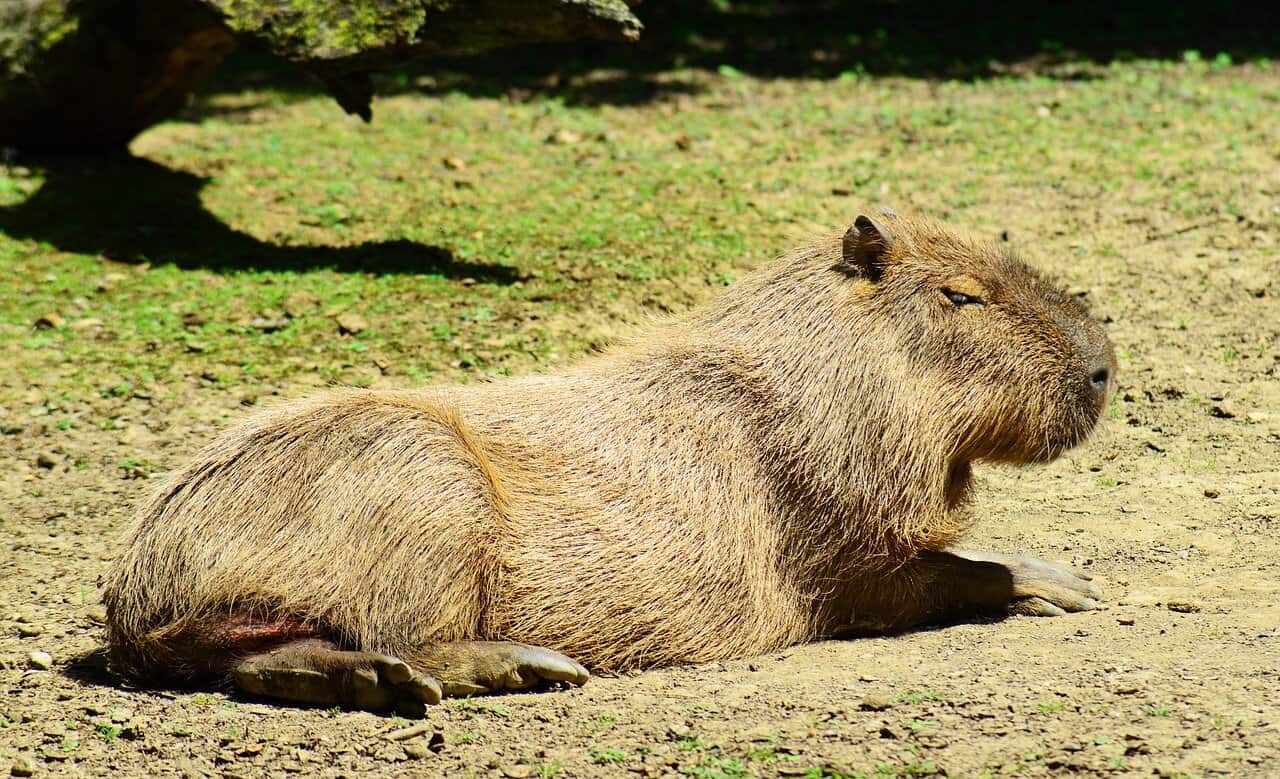
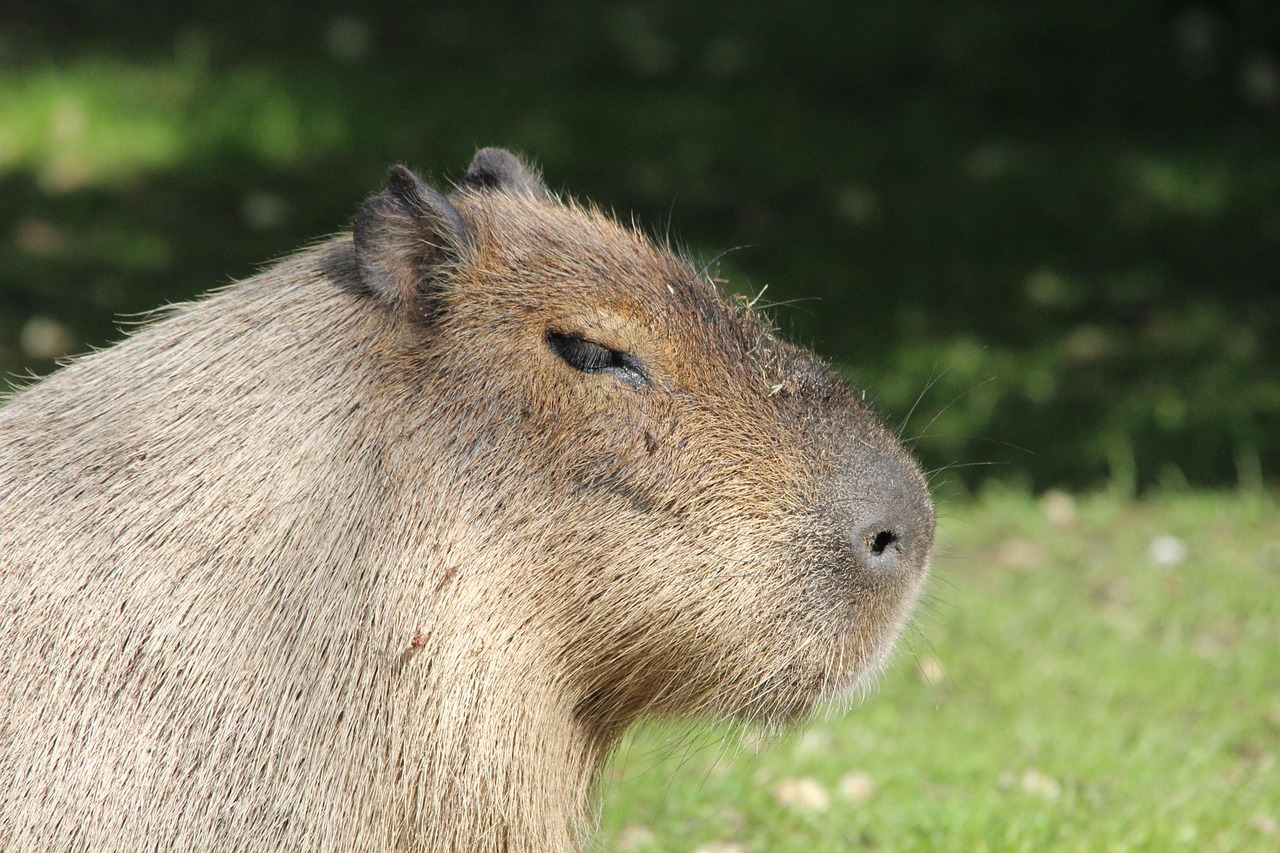
Capybaras are large, semi-aquatic rodents native to South America. They are closely related to guinea pigs but can weigh up to 65 kg (143 lbs) and reach 1.2 meters (almost 4 feet) in length. Their webbed feet help them swim, and they often live in groups near lakes, rivers, and marshes.
Capybaras are social animals, usually found in herds of 10-20, but sometimes even larger groups. They eat mainly grasses and aquatic plants, and they are gentle, calm creatures. Because of their cute appearance and easy-going nature, capybaras have become internet favorites, often seen relaxing with other animals.
Capybaras’ Native Range
To know if capybaras live in Costa Rica, it’s important to look at their natural habitat. Capybaras are native to most of South America, especially:
- Brazil
- Venezuela
- Colombia
- Argentina
- Paraguay
- Uruguay
- Peru
They are most common in the Amazon Basin and lowland wetlands. Their range does not naturally stretch into Central America. Let’s compare some countries in their native area and Costa Rica:
| Country | Capybara Native Presence | Main Habitat Type |
|---|---|---|
| Brazil | Yes | Wetlands, rivers |
| Venezuela | Yes | Savannas, marshes |
| Costa Rica | No | Rainforest, cloud forest |
| Colombia | Yes | Grasslands, rivers |
As you can see, Costa Rica is not listed as a native country for capybaras.

Credit: rescatewildlife.org
Capybaras In Costa Rica: The Facts
Despite the rich biodiversity of Costa Rica, capybaras are not native to the country. There are no wild populations of capybaras in Costa Rica’s rainforests, national parks, or rivers. The reasons are both geographic and ecological:
- Geographical barrier: The natural range of capybaras stops in northern Colombia. The thick jungles and mountain ranges of Panama act as a barrier, preventing the natural spread of capybaras into Central America.
- Habitat difference: Costa Rica’s main ecosystems are rainforests and cloud forests, not the open wetlands and savannas where capybaras thrive.
- No introduction records: There is no official record of capybaras being introduced to Costa Rica, either for farming or as pets.
Some zoos and wildlife rescue centers in Costa Rica may have capybaras. But these animals are not wild, and you will not see them during hikes, boat tours, or safaris in the country.
Why Some People Think Capybaras Live In Costa Rica
Many travelers believe capybaras live in Costa Rica because:
- They look similar to agoutis and pacas, two large rodents found in Costa Rican forests.
- Capybaras are famous on the internet, so people assume they live everywhere in Latin America.
- Misleading travel blogs sometimes mix up animal names or use the wrong photos.
Let’s compare capybaras, agoutis, and pacas:
| Animal | Size | Habitat in Costa Rica | Key Features |
|---|---|---|---|
| Capybara | Up to 65 kg | Not present | Large, webbed feet, social |
| Agouti | 2–4 kg | Common | Small, brown, shy |
| Paca | 6–12 kg | Common | Spotted fur, nocturnal |
Agoutis and pacas are common in Costa Rica, but much smaller than capybaras.
Where To See Capybaras In The Wild
If you want to see capybaras in their natural habitat, you will need to visit:
- The Brazilian Pantanal (world’s largest wetland)
- Llanos in Venezuela and Colombia
- The Amazon River basin
These areas are full of rivers, lakes, and open grasslands. Capybaras are easy to spot there, often seen swimming or resting by the water’s edge. In contrast, Costa Rica is best for spotting monkeys, sloths, toucans, and crocodiles, but not capybaras.
Costa Rica’s Unique Rodents
Even though you won’t find capybaras, Costa Rica has its own interesting rodents. If you go on wildlife tours, you might see:
- Agoutis: These are medium-sized, brown rodents that are active during the day. They help spread seeds in the forest.
- Pacas: Nocturnal, larger than agoutis, with spotted fur. They are shy and often come out at night.
- Spiny rats: Small and secretive, found in thick undergrowth.
Seeing these animals is special in its own way. They are important for the forest’s health, spreading seeds and keeping the ecosystem balanced.
Credit: ticotimes.net
Dangers Of Introducing Capybaras To Costa Rica
Some people wonder if capybaras could be introduced to Costa Rica, either for tourism or as pets. But this idea has risks:
- Ecosystem disruption: Capybaras could compete with local animals for food and space.
- Spread of disease: New animals can bring diseases that local species are not immune to.
- Habitat mismatch: Capybaras may not thrive in Costa Rica’s forests, leading to poor animal welfare.
Costa Rica is careful about introducing new species to avoid harming its rich biodiversity.
Surprising Facts Most People Miss
- Capybaras are excellent swimmers and can stay underwater for up to five minutes to avoid predators. This ability is less useful in Costa Rica’s fast-moving rivers compared to the calm wetlands they prefer.
- Social structure matters: Capybaras rely on large groups for safety. Introducing a small number to Costa Rica would likely fail, as they need a healthy group structure to thrive.
Credit: ticotimes.net
Frequently Asked Questions
Are Capybaras Native To Costa Rica?
No, capybaras are not native to Costa Rica. Their natural range ends in South America, and they do not exist in the wild in Costa Rica.
Can You See Capybaras In Costa Rican Zoos?
Yes, a few zoos or wildlife centers may have capybaras. However, these animals are not wild and are usually there for education or rescue purposes.
What Animals In Costa Rica Look Like Capybaras?
The agouti and paca are two rodents in Costa Rica that people often confuse with capybaras. Both are smaller and have different habits.
Why Don’t Capybaras Live In Costa Rica?
Geography, climate, and lack of suitable habitat are the main reasons. Panama’s landscape acts as a barrier, and Costa Rica’s forests are not ideal for capybaras.
Where Is The Best Place To See Wild Capybaras?
The best places are the Pantanal in Brazil and the Llanos of Venezuela and Colombia. These regions have the right wetlands and climate for capybaras to thrive. For more details, check the Capybara Wikipedia page.
While Costa Rica is a paradise for animal lovers, capybaras are not part of its wild animal list. Instead, enjoy the unique mammals, birds, and reptiles that make Costa Rica so special. If you dream of seeing capybaras in the wild, plan a trip to South America’s wetlands, where these gentle giants roam free.


