
Many people are surprised to learn that capybaras, the world’s largest rodents, have made their way to Florida. These gentle creatures, often called “giant guinea pigs,” are not native to the United States. Yet, sightings and reports have sparked curiosity: are capybaras living wild in Florida, or is it just a myth? Let’s explore the facts, the history, and what it means for Florida’s environment and wildlife.
What Are Capybaras?
Capybaras are large, semi-aquatic rodents native to South America. Adults can weigh between 77 to 150 pounds and reach about 2 feet tall at the shoulder. They love water and are excellent swimmers, often found in groups near rivers and lakes.
Capybaras eat mostly grass and aquatic plants. They are social animals, usually living in herds of 10 to 20 members. In their native range, capybaras are an important part of the ecosystem and are prey for animals like jaguars and caimans.
How Did Capybaras Get To Florida?
Capybaras are not native to Florida. So, how did they appear there? The answer goes back to the 1990s. Some capybaras escaped from private collections and exotic animal farms in northern and central Florida. These escapees found the warm, wet climate suitable and started to survive in the wild.
There is no evidence of a large, established population, but small groups have been seen over the years. Experts believe that capybaras could survive and even breed in Florida’s environment, which is similar to their South American homes.
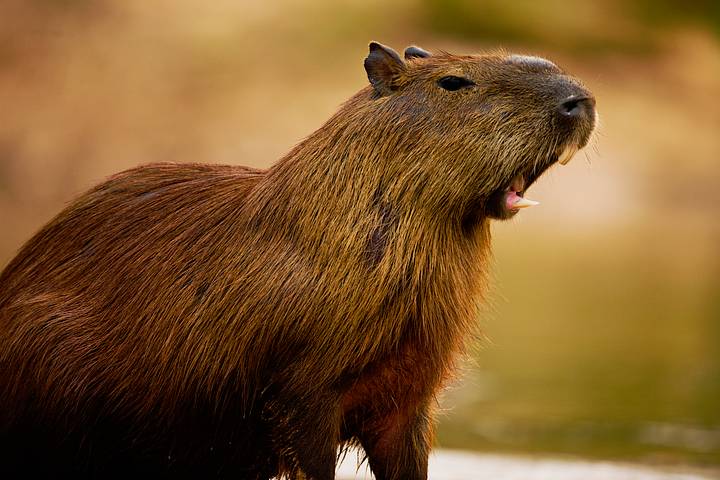
Credit: www.mentalfloss.com
Where Are Capybaras Spotted In Florida?
Most reports of wild capybaras in Florida come from the central and northern regions. The Paynes Prairie Preserve State Park, near Gainesville, is one of the most well-known places for sightings. Here are some key details:
| Location | Year of Sightings | Number Observed |
|---|---|---|
| Paynes Prairie Preserve State Park | 1990s–Present | 3–10 |
| Alachua County | 2011 | 7 |
| Hillsborough River | 2007 | 2 |
The numbers are small, and there is no proof of a large, stable population. Still, these sightings show that capybaras can survive in the wild in Florida.
Are Capybaras An Invasive Species In Florida?
An invasive species is an animal or plant that spreads quickly and causes harm to the environment, economy, or human health. Capybaras are not currently classified as invasive in Florida. Their numbers are too low, and there is little evidence of damage to local plants or animals.
However, experts are watching closely. Capybaras have the potential to become invasive if their population grows. They could compete with native wildlife for food, or damage crops and natural habitats.

Credit: www.gatorland.com
Capybaras And Florida’s Ecosystem
If capybaras become established in Florida, they could affect the ecosystem in several ways:
- Food competition: Capybaras eat a lot of grass and aquatic plants. This could reduce food for native animals like rabbits, deer, and muskrats.
- Waterway impact: Their swimming and feeding habits can change the shape of riverbanks, which might hurt fish and other water animals.
- Predator attraction: Capybaras could attract new predators or provide more food for existing ones, changing the balance of the ecosystem.
So far, there are no reports of serious problems, but it is important to keep watching.
Capybaras As Pets In Florida
Some people want capybaras as exotic pets because of their gentle nature. In Florida, it is legal to own a capybara, but you need a special license from the Florida Fish and Wildlife Conservation Commission (FWC). Owners must have proper cages, water access, and knowledge of capybara care.
Having a capybara as a pet is a big responsibility. They need lots of space, a swimming area, and social interaction. Capybaras can live up to 8–12 years in captivity.
Here is a quick comparison of capybaras and other popular exotic pets in Florida:
| Animal | Legal With License? | Space Needs | Social Needs |
|---|---|---|---|
| Capybara | Yes | Very Large | High |
| Ferret | Yes | Small | Medium |
| Sugar Glider | Yes | Small | Medium |
| Macaw Parrot | Yes | Medium | High |
Risks And Challenges Of Wild Capybaras
Florida’s history with invasive species, like Burmese pythons and nutria, shows the risks of non-native animals. Capybaras are not a major problem now, but there are some concerns:
- Escape risk: Pet or zoo animals can escape during storms or if not secured.
- Disease: Capybaras can carry ticks and parasites that might spread to livestock or native animals.
- Breeding: A few capybaras can quickly become many, as females can have several litters per year.
Wildlife experts suggest that people report any capybara sightings to the FWC. This helps track their numbers and prevent potential problems.
What Makes Florida Suitable For Capybaras?
Florida’s climate is warm and humid with many lakes, rivers, and wetlands. These conditions are almost the same as the capybara’s natural habitat in South America. Here’s a look at some similarities:
| Feature | Florida | Capybara Native Range |
|---|---|---|
| Average Temperature | 70–80°F | 75–85°F |
| Wetlands Area | Abundant | Abundant |
| Predators | Few | Many |
With fewer natural predators in Florida, capybaras could have an easier time surviving if their population grows.

Credit: www.reddit.com
Non-obvious Insights
One thing many beginners miss is how capybaras’ social behavior could help them survive in Florida. They are clever at sticking together and watching for danger, which helps them avoid predators. Also, their ability to eat a wide variety of plants means they can adapt easily to new environments.
Another detail: Capybaras can live in both fresh and slightly salty water. This means they can spread to Florida’s brackish coastal areas, not just inland rivers and lakes.
The Bottom Line
Capybaras are not native to Florida, but small groups have managed to live in the wild. They are not yet a major problem, but their presence raises questions about future risks and the responsibility of exotic pet owners. If you see a capybara in the wild, report it to wildlife authorities.
Florida’s wildlife is always changing, and it’s up to all of us to protect it.
For more information on invasive species and wildlife in Florida, visit the Wikipedia page on capybaras.
Frequently Asked Questions
Are Capybaras Dangerous To Humans?
Capybaras are usually gentle and shy. They rarely attack humans but can bite if frightened or cornered. It’s best to keep a safe distance from wild animals.
Is It Legal To Own A Capybara In Florida?
Yes, but you need a special license from the Florida Fish and Wildlife Conservation Commission. Owners must provide proper care and facilities.
Can Capybaras Survive Winter In Florida?
Florida’s winters are mild, so capybaras can survive easily. They may not do well in colder northern states.
How Many Wild Capybaras Are In Florida?
Estimates are low—probably fewer than 50, mainly in the central and northern regions. No large breeding population is confirmed.
What Should I Do If I See A Capybara In Florida?
Report the sighting to the FWC. Do not try to catch or feed the animal. This helps experts track their spread and protect native wildlife.


