

Capybaras are the world’s largest rodents, often called “gentle giants” of the animal kingdom. Their calm face and slow movements make many people wonder: Are capybaras nice? The answer is not just a simple yes or no. Their friendliness depends on many factors, from their natural behavior to how humans treat them. Let’s explore what makes capybaras special, how they behave with humans and animals, and what science says about their gentle reputation.
Understanding Capybara Behavior
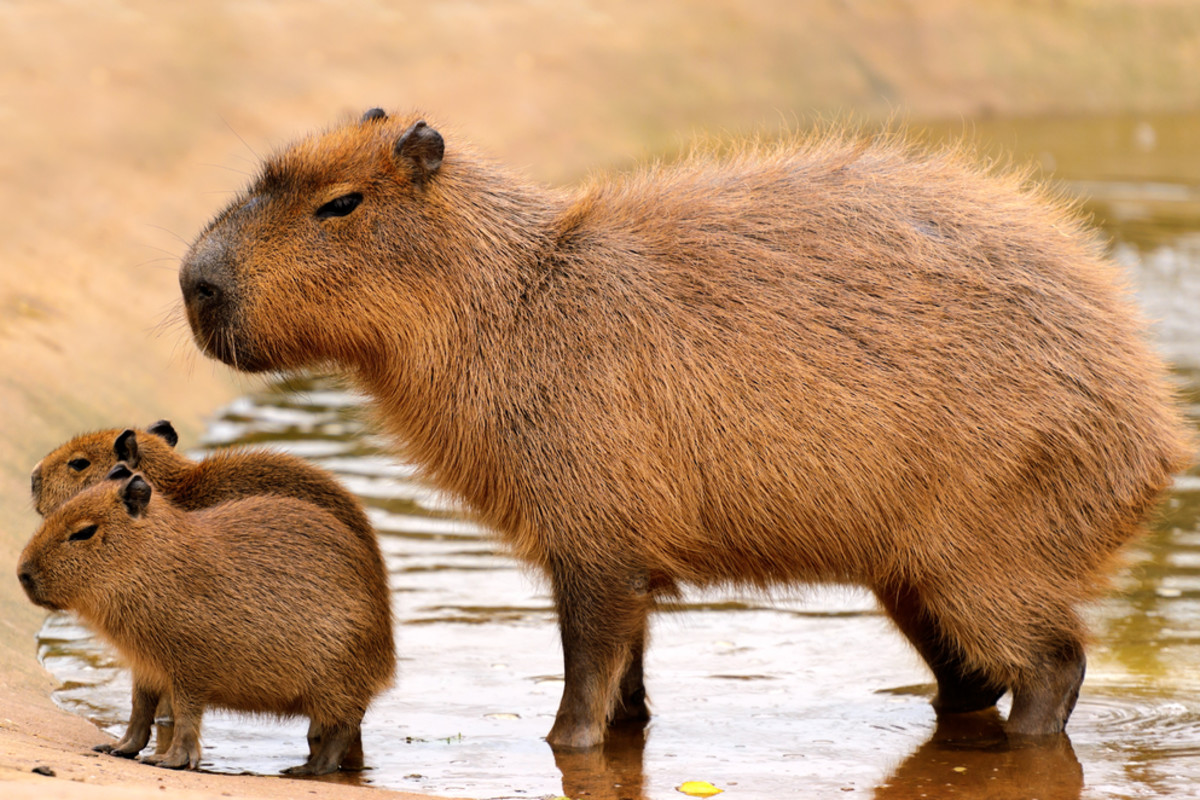
Capybaras come from South America, living near rivers and lakes. In the wild, they live in groups of 10–20, but sometimes more than 50. This strong social structure is key to their personality.
A few important points about their natural behavior:
- Social creatures: Capybaras rely on group living. They share food, help groom each other, and even take care of babies together.
- Non-aggressive: Fights are rare. Most problems in the group are solved by simple body language or gentle noises.
- Calm temperament: They spend much of their day relaxing, swimming, or eating grass.
Because of these traits, capybaras are often seen as peaceful and easygoing.
Capybaras And Human Interaction
People often ask if capybaras are friendly with humans. The answer is usually yes, but with some important details.
Capybaras raised around people from a young age often become very tame. They may enjoy being petted, eat from your hand, or even sit next to you. In some countries, people keep capybaras as pets because of their gentle ways.
But not all capybaras are equally friendly. Wild or stressed capybaras can be shy or even bite if they feel scared. Their size (up to 70 kg/150 lbs) means a bite could hurt.
Here’s a quick look at their reactions:
| Situation | Typical Capybara Reaction |
|---|---|
| Approached calmly by a familiar human | Stays relaxed, may accept touch |
| Cornered or startled | May run away or bite |
| Offered food by hand | Eats gently, rarely grabs |
The key is patience. With slow movements and respect, most capybaras show their gentle side.
Capybaras With Other Animals
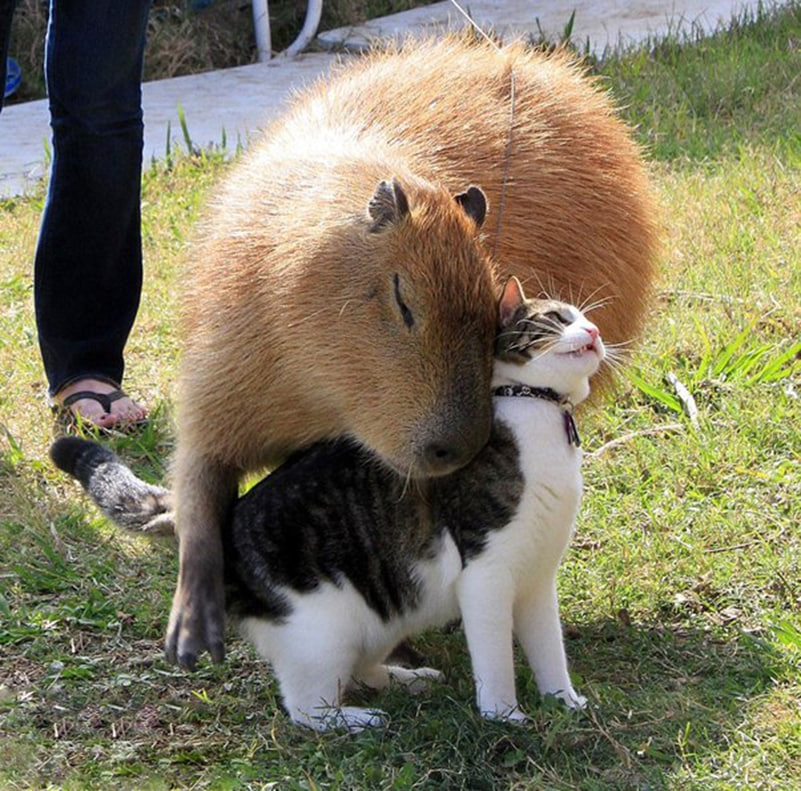
Capybaras are famous on the internet for sitting calmly with dogs, cats, ducks, and even monkeys. Are these videos real? Yes, capybaras often get along with other animals—especially if they’re used to sharing space from a young age.
Why Are Capybaras So Tolerant?
- Low territorial instincts: They do not defend a strict territory like some pets do.
- Gentle communication: They use soft sounds and gentle nudges, rarely aggression.
- Group living: Capybaras are used to sharing space with many animals.
In zoos, capybaras are sometimes kept with birds, turtles, and other small mammals because they rarely cause problems.
However, every animal is different. Some capybaras may not like pushy animals, especially if they feel threatened.
Scientific Insights On Capybara Friendliness
Research gives us some facts about capybara behavior:
- Stress levels: Studies show capybaras have lower stress hormones when in groups and safe environments.
- Bite rate: Capybara bites are rare in captivity, usually only when the animal is in pain or protecting young.
- Lifespan in captivity: With good care, capybaras can live 8–10 years, showing they adapt well to humans.
In one study, capybaras trained with positive reinforcement (like treats) learned commands and new behaviors quickly, showing a calm and curious mind.
Credit: www.youngpioneertours.com
Capybara As Pets: What You Need To Know
If you’re thinking about a capybara as a pet, consider these points:
- Space: Capybaras need a large yard and a pool for swimming.
- Company: They get lonely alone. It’s best to have two or more.
- Special care: Their diet is mostly grass and hay, not regular pet food.
- Legal issues: In many places, keeping capybaras is not allowed without a special permit.
Here’s how capybaras compare to common pets:
| Pet Type | Friendliness | Space Needed | Care Level |
|---|---|---|---|
| Capybara | Very social, calm | High (large yard and pool) | High (special diet, vet care) |
| Dog | Social, varies by breed | Medium–High | Medium |
| Cat | Friendly, independent | Low–Medium | Low–Medium |
| Rabbit | Gentle, shy | Medium | Medium |
Many people are surprised to learn capybaras need more care than a dog or cat. They are not low-maintenance pets.
Two Common Misunderstandings
People often think capybaras are always friendly. But there are two important things beginners miss:
- Capybaras need their own kind: A single capybara often becomes lonely or depressed, even if you spend a lot of time with it.
- Not for small children: Capybaras are large and strong. They can accidentally hurt a child by jumping, bumping, or biting if scared.
These facts are important for anyone thinking about living with a capybara.
Credit: www.discovermagazine.com
Capybaras In Human Culture
Capybaras are popular in Japan, where they live in zoos and hot springs. People love their peaceful behavior. In South America, capybaras are sometimes farmed, but local people respect their gentle ways.
Their calm face and relaxed style have made them internet stars. Memes and videos show capybaras sitting with ducks, monkeys, and even crocodiles. While not every capybara is this relaxed, their reputation for gentleness is mostly true.
Capybara Safety: What To Remember
Even the nicest animal has limits. Here are some tips for safe interaction:
- Approach slowly: Let the capybara see and smell you.
- Never grab or corner: A trapped capybara may bite.
- Supervise children: Kids should not play rough.
- Watch for stress signs: Yawning, shaking, or running away means the capybara needs space.
If you follow these rules, you’ll see the best side of these gentle giants.

Credit: www.reddit.com
Frequently Asked Questions
Are Capybaras Really As Friendly As They Look?
Yes, most capybaras are gentle and patient, especially when raised around people. But every animal has its own personality. Some are shy or nervous, especially if not used to humans.
Do Capybaras Bite People?
Capybaras rarely bite, but it can happen if they feel scared, cornered, or in pain. Their bite is strong because of their large teeth. Respect their space to avoid problems.
Can You Keep A Capybara As A Pet?
In some places, yes, but you need a lot of space and special care. Check your local laws before trying, as capybaras are not legal pets everywhere. Learn more at the Wikipedia Capybara page.
Are Capybaras Friendly With Other Animals?
Most capybaras are tolerant of other animals, especially if they grow up together. They often share space in zoos or homes, but always watch new introductions to be safe.
What Do Capybaras Eat?
Capybaras mostly eat grass, hay, and vegetables. They need a lot of fiber for good health. Do not feed them dog or cat food, as it can make them sick.
Capybaras are unique animals known for their gentle and social nature. While they are usually nice, they have needs and limits like any living creature. Understanding their behavior and giving them respect is the best way to enjoy their company.


