

Capybaras, with their gentle eyes and calm personalities, have become an internet favorite. People often see photos of these large rodents relaxing with ducks, monkeys, or even cats. Their peaceful nature makes many wonder: Are capybaras predators? The answer may surprise you. Let’s explore what capybaras really eat, how they behave, and where they fit in the wild food chain.
What Is A Predator?
Before we can answer the main question, it helps to know what a predator is. In biology, a predator is an animal that hunts, kills, and eats other animals for food. Lions, wolves, and eagles are classic examples. Predators have strong teeth or claws, sharp senses, and hunting skills.
Capybaras do not fit this description. In fact, their bodies and behaviors are very different from predators.
Capybara Diet: What Do They Eat?
Capybaras are the world’s largest rodents, and their diet is a key clue to their role in nature.
| Food Type | Percentage of Diet | Notes |
|---|---|---|
| Grasses | 80% | Main food source, especially in wet season |
| Aquatic plants | 10% | More common in dry season |
| Fruits & bark | 10% | Eaten when other food is scarce |
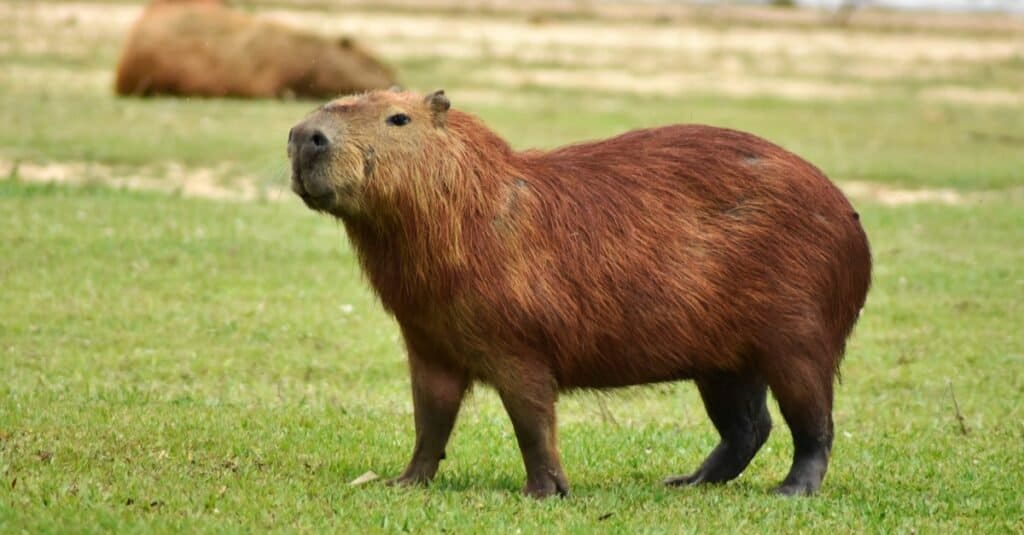
Capybaras are herbivores. They eat only plants, mostly grasses and aquatic plants. Sometimes they nibble on fruit or tree bark. They do not hunt or eat other animals. This is the main reason they cannot be called predators.
Credit: a-z-animals.com
Physical Traits: Built For Grazing, Not Hunting
Capybaras have strong, chisel-like teeth made for cutting tough plants. Their legs are short, perfect for moving through water and grass. But they lack sharp claws, fangs, or fast reflexes for chasing prey. Their eyes and ears sit high on their heads, helping them watch for danger while swimming or eating grass.
| Trait | Capybara | Typical Predator |
|---|---|---|
| Teeth | Flat, chisel-shaped | Sharp, pointed |
| Diet | Herbivore | Carnivore or omnivore |
| Behavior | Grazes in groups | Hunts alone or in packs |
Social Behavior: Safety In Numbers
Capybaras are very social animals. They live in groups of 10 to 20, but during the dry season, up to 100 may gather around water. Living in groups helps them spot predators and stay safe. They often use warning barks to alert others to danger.
Their peaceful behavior extends to other species. Capybaras often let birds perch on their backs or allow other animals to rest nearby. This calm attitude is rare among prey animals and is one reason people find them so charming.
Capybaras As Prey: Who Hunts Capybaras?
Instead of being predators, capybaras are actually prey for several large animals in South America. Their main predators include:
- Jaguars – The most powerful hunters in the region.
- Caimans – Large reptiles that wait in the water.
- Anacondas – Giant snakes that ambush capybaras.
- Ocelots – Smaller wild cats that sometimes hunt young capybaras.
- Harpy eagles – These birds of prey may attack juveniles.
| Predator | Hunting Method | Danger Level |
|---|---|---|
| Jaguar | Ambushes near water | Very high |
| Caiman | Waits in water | High |
| Anaconda | Ambushes in water | High |
| Ocelot | Stalks at night | Medium |
| Harpy Eagle | Attacks from air | Medium |
To escape, capybaras dive into water and can stay underwater for up to five minutes. This ability helps them avoid many predators.
Do Capybaras Ever Show Aggression?
Capybaras are usually gentle, but they can show aggression if threatened. Males may fight for dominance or territory. If cornered, capybaras can bite with their strong teeth. However, these behaviors are about defense, not hunting. They do not chase or kill other animals for food.
One non-obvious fact is that capybaras sometimes eat their own feces. This may sound strange, but it helps them digest tough plants. This behavior, called coprophagy, is common in rodents and is about nutrition, not predation.

Credit: www.nature-myview.com
Why People Confuse Capybaras With Predators
Some people may think capybaras are predators because of their size or rodent teeth. Others might see videos where capybaras interact with smaller animals and assume they could be dangerous. In reality, capybaras are known for their calmness and their role as prey, not hunters.
Another insight many miss: capybaras help other animals by grazing and keeping vegetation short. This creates homes for insects, birds, and even fish. Instead of being predators, they support their ecosystem in a positive way.
Capybaras In Human Culture
Capybaras have become popular pets and zoo animals in many countries. People enjoy their relaxed behavior and gentle nature. In some cultures, capybaras are even eaten as food, especially during religious festivals in South America.
Researchers continue to study these animals because they show how social prey animals can survive alongside predators. For more in-depth information, visit the Wikipedia page on Capybaras.

Credit: www.reddit.com
Frequently Asked Questions
Are Capybaras Dangerous To Humans?
Capybaras are usually safe around people. They rarely bite or show aggression. However, like any wild animal, they may defend themselves if they feel cornered or scared.
Can Capybaras Eat Meat Or Fish?
No, capybaras are strict herbivores. Their bodies are not built to digest meat. They only eat plants, fruits, and sometimes tree bark.
How Do Capybaras Escape From Predators?
Capybaras use water to escape. They are excellent swimmers and can dive underwater to avoid danger. Their webbed feet help them move quickly through rivers and ponds.
Do Capybaras Protect Other Animals?
Capybaras do not protect other animals, but their calm nature allows birds and small mammals to rest near them. They do not chase or harm these animals.
Why Are Capybaras So Friendly?
Their friendly reputation comes from their social behavior. Living in groups helps them survive, and they have learned to stay calm around other animals—even humans.
Capybaras are not predators. They are gentle, plant-eating animals that play an important role in their ecosystem. Their peaceful nature is part of what makes them so beloved around the world.


