

Capybaras are often called the “gentle giants” of the rodent world, but confusion about their true classification is common. Some people wonder if these animals are actually rodents or if they might be marsupials like kangaroos and koalas. Their unique look, social behavior, and size spark curiosity everywhere from zoos to social media. Understanding what capybaras really are helps us appreciate their role in nature and clears up many common myths.
What Are Capybaras?
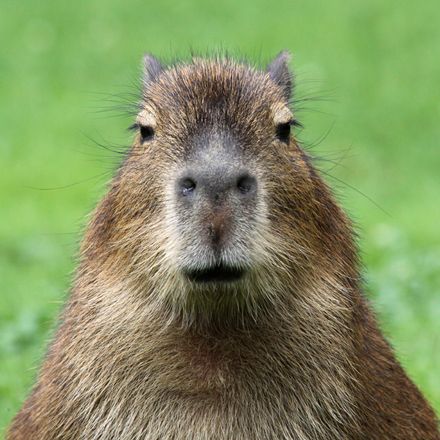
Capybaras are large, semi-aquatic mammals found mainly in South America. They live near rivers, lakes, and swamps, often seen swimming or resting in the shade. Capybaras are famous for their calm, friendly nature—they often allow birds and even other animals to sit on their backs.
One standout feature is their size. Capybaras are the largest living rodents in the world. Adult capybaras can weigh between 35 to 66 kg (77 to 145 pounds) and reach up to 1.3 meters (4.2 feet) in length. Their thick fur, webbed feet, and blunt noses give them a look that is both charming and unusual.
Understanding Rodents And Marsupials
To see if capybaras are rodents or marsupials, it helps to understand what these groups mean.
Rodents: The Key Features
Rodents are mammals known for their ever-growing front teeth. This group includes mice, rats, beavers, guinea pigs, and squirrels. Rodents are found on every continent except Antarctica.
Key features of rodents:
- Two large, sharp incisor teeth in the upper and lower jaws
- Teeth grow throughout their lives
- Mainly herbivorous diets, but some eat insects or other small animals
- Give birth to live young (not in pouches)
Marsupials: What Makes Them Different
Marsupials are mammals, too, but they have a special way of raising their young. Famous examples are kangaroos, koalas, and opossums.
Key features of marsupials:
- Give birth to tiny, underdeveloped babies
- Babies crawl into the mother’s pouch to finish developing
- Most live in Australia and nearby islands, but some are in the Americas
The most important difference is the pouch. If an animal has a pouch for its babies, it’s a marsupial.
Credit: www.livescience.com
Capybara Classification: Rodent Or Marsupial?
Capybaras are not marsupials. They do not have pouches, and their young are born fully formed (although small and needing care). Capybaras belong to the order Rodentia, making them true rodents.
Here is a breakdown of their scientific classification:
| Level | Capybara Classification |
|---|---|
| Kingdom | Animalia |
| Phylum | Chordata |
| Class | Mammalia |
| Order | Rodentia |
| Family | Caviidae |
| Genus | Hydrochoerus |
| Species | Hydrochoerus hydrochaeris |
Notice that there is no mention of a pouch. Instead, their order is Rodentia, the same group as mice and guinea pigs.
Capybara Vs. Marsupial: Main Differences
Capybaras and marsupials have important differences. Let’s compare them side by side.
| Feature | Capybara (Rodent) | Marsupial |
|---|---|---|
| Reproduction | Live young, no pouch | Young develop in pouch |
| Teeth | 2 pairs of growing incisors | No ever-growing incisors |
| Habitat | South America (rivers, wetlands) | Australia, Americas (varied) |
| Examples | Capybara, guinea pig, beaver | Kangaroo, koala, opossum |

Credit: wildlife-shots.co.uk
Why The Confusion?
The confusion often comes from the capybara’s unusual appearance. Some people connect their size and body shape with marsupials like wombats or wallabies. Also, the capybara’s friendly, relaxed behavior reminds some people of marsupials, which are also known for being calm.
Another reason is that some marsupials, like water opossums, live in similar wetland habitats. But, a close look at anatomy and reproduction shows capybaras are rodents.
Unique Capybara Traits
Capybaras stand out even among rodents. Here are some features that make them special:
- Webbed feet: Capybaras are strong swimmers, using webbed toes to move through water.
- Social behavior: They live in groups of 10-20, sometimes more. This is rare for large rodents.
- Diet: They eat mostly grass and aquatic plants. Capybaras are also known to eat their own droppings to help digest tough plant fibers—a behavior called coprophagy.
- Sound communication: Capybaras use barks, whistles, and grunts to talk to each other.
- Dental care: Their front teeth never stop growing, so they must chew on tough plants to keep teeth at the right length.
These traits help capybaras survive in the wild and make them unique among rodents.

Credit: www.nytimes.com
Capybaras In The Animal Kingdom
Here’s a comparison of capybaras with other well-known rodents and marsupials by size:
| Animal | Type | Average Adult Weight |
|---|---|---|
| Capybara | Rodent | 35–66 kg |
| Beaver | Rodent | 11–32 kg |
| Kangaroo | Marsupial | 18–90 kg |
| Guinea Pig | Rodent | 0.7–1.2 kg |
| Koala | Marsupial | 4–15 kg |
As you can see, capybaras are much larger than most rodents, but they still share more features with rodents than with marsupials.
Two Insights Beginners Miss
First, many people do not realize that capybaras share a family (Caviidae) with guinea pigs. Despite the huge size difference, they are close relatives. Second, capybaras’ teeth are their defining feature. If you ever see a capybara up close, notice the large, orange front teeth—these are the same type that all rodents have.
Capybaras And Their Importance
Capybaras play a key role in their ecosystem. They help control grass and aquatic plant growth. Many other animals depend on capybaras for food, and their burrows give shelter to smaller creatures.
In some South American countries, capybaras are farmed for meat and leather. However, they are not endangered, and hunting is usually well regulated.
If you want more details about capybaras and their place in science, you can read more on the Wikipedia Capybara page.
Frequently Asked Questions
Are Capybaras Rodents Or Marsupials?
Capybaras are rodents. They belong to the order Rodentia, not to the marsupial group. They do not have pouches.
Do Capybaras Have A Pouch For Their Babies?
No. Only marsupials have pouches. Capybara mothers give birth to well-developed young, which stay with the group for protection.
Why Do Capybaras Look So Different From Other Rodents?
Capybaras are much larger and adapted to life in water. Their size, webbed feet, and social behavior make them unique, but their teeth and diet are like other rodents.
Where Can You Find Capybaras In The Wild?
Capybaras live in Central and South America, especially near rivers, lakes, and wetlands. They need water nearby to stay cool and escape predators.
What Do Capybaras Eat?
Capybaras eat mostly grass, aquatic plants, and sometimes fruit. They practice coprophagy, eating their own droppings to help digest tough food.
Capybaras are fascinating animals, and understanding their true nature only adds to their charm. Knowing that they are the world’s largest rodents—not marsupials—helps us see how amazing animal diversity can be.


