

Are Nutria And Capybara The Same
When people see a large, brown, semi-aquatic rodent, it’s easy to wonder: Are nutria and capybara the same? At first glance, these animals look similar. Both have webbed feet, enjoy water, and live in groups. However, they are very different species with unique habits, sizes, and roles in their environments. If you’ve ever mixed them up, you’re not alone. Let’s look deeper to see how these two fascinating animals compare—and why it matters.
What Are Nutria?
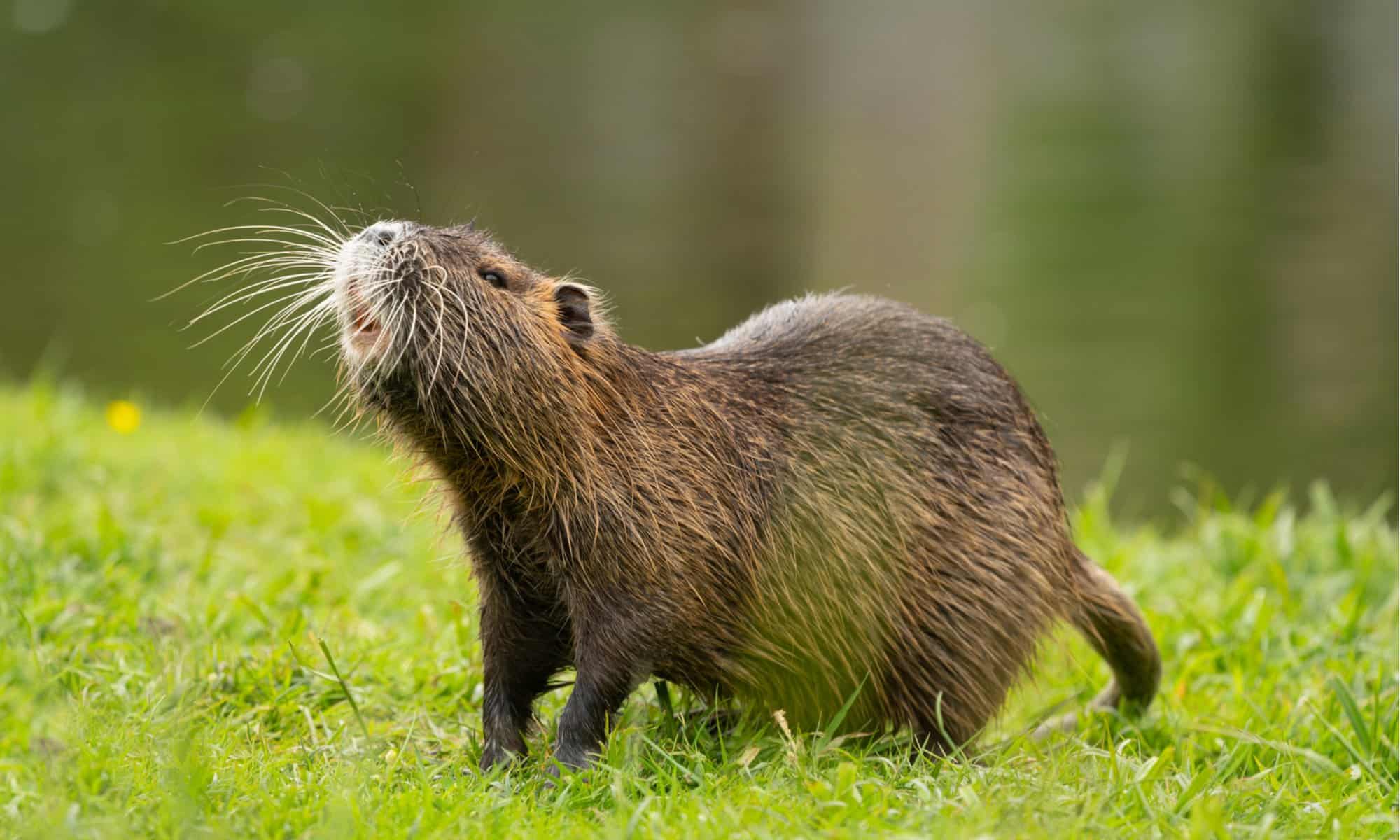
Nutria, also called coypu, are medium-sized rodents native to South America. They have spread to North America, Europe, Asia, and Africa, mostly because people farmed them for fur. Nutria have orange teeth, webbed back feet, and long, round tails.
Most nutria are about 5-9 kg (11-20 lbs) and 40-60 cm (16-24 in) long, not counting the tail. Their fur is brown, and their bodies are compact. Nutria eat mainly plants, especially roots and stems from wetlands.
These rodents are known for their ability to breed quickly. A single pair can have several litters each year, with up to 13 babies per litter.
What Are Capybaras?
Capybaras are the world’s largest rodents. They also come from South America and are often seen in Brazil, Venezuela, and Colombia. Capybaras can grow up to 66 kg (145 lbs) and reach 1.2 meters (4 ft) in length.
Their bodies are barrel-shaped, with short legs and a blunt, square nose. Capybaras have slightly webbed feet but are more adapted for land and water than nutria. They live in large groups and spend a lot of time near rivers, ponds, or marshes.
Capybaras eat mostly grass and aquatic plants. They need a lot of water every day, both for drinking and to keep their skin healthy.

Credit: www.youtube.com
Comparing Nutria And Capybara
It’s easy to see why people confuse nutria and capybara. Both are large rodents, love water, and look alike from a distance. But important differences set them apart.
Here’s a side-by-side look:
| Feature | Nutria | Capybara |
|---|---|---|
| Scientific Name | Myocastor coypus | Hydrochoerus hydrochaeris |
| Native Range | Southern South America | Central & South America |
| Average Weight | 5-9 kg (11-20 lbs) | 35-66 kg (77-145 lbs) |
| Tail Type | Long, round, rat-like | Short, nearly invisible |
| Teeth Color | Bright orange | Yellowish |
Key Differences In Behavior And Habitat
Nutria and capybara do not just look different—they act differently, too.
- Group Size: Capybaras live in groups of 10-20, sometimes even 100 in the dry season. Nutria often live in small family groups.
- Swimming Skills: Both are good swimmers, but capybaras can stay underwater for up to 5 minutes to hide from predators.
- Sounds: Capybaras make many sounds, like barks and purrs. Nutria are quieter, usually making grunts or squeaks.
- Social Life: Capybaras are very social; nutria are more independent.
Diet And Eating Habits
Both animals are herbivores, but their favorite foods are different.
| Rodent | Preferred Foods |
|---|---|
| Nutria | Roots, stems, aquatic plants, crops |
| Capybara | Grass, reeds, fruit, aquatic plants |
Nutria often damage crops and wetlands, leading to problems in places where they are not native. Capybaras rarely damage their environment because they graze gently.
Where You Might See Them
Nutria have invaded parts of the US, especially Louisiana, Texas, and California. They are considered an invasive species. Their digging and eating destroy wetlands, causing millions of dollars in damage each year.
Capybaras mostly stay in their native range, but some have been kept as pets or zoo animals in other countries. They are not invasive and do not cause the same harm as nutria.
If you see a rodent in the wild and wonder which one it is, check the tail. Nutria have a visible, rat-like tail, while capybaras have almost no tail at all.
Why The Confusion Matters
Mixing up nutria and capybara is not just a small mistake. It can affect how people respond to each animal.
- Invasive Species Management: In the US, nutria are removed to protect wetlands. Capybaras are not a threat in North America.
- Pet Ownership: Capybaras are sometimes kept as pets. Nutria are less common as pets because they can be aggressive and carry diseases.
- Conservation: Capybaras are not endangered, but some local rules protect them. Nutria, however, are controlled or hunted in many places.
Mistaking one for the other can mean poor decisions for nature and people.
Surprising Facts Most People Miss
- Teeth Color: Nutria’s orange teeth are a quick way to tell them apart. Capybara teeth are pale yellow.
- Tail Shape: Nutria’s tails are long and round; capybaras have almost no tail at all.
- Swimming Styles: Capybaras can submerge fully, leaving only their noses out of water. Nutria often swim with much of their body above water.
These details are not always obvious, but they help with quick identification.
Credit: a-z-animals.com
Human Interaction And Uses
Nutria were once farmed for their fur, called “nutria,” in the fashion industry. This caused populations to escape and spread worldwide. Today, nutria are seen as pests in many countries, and there are efforts to remove or control them.
Capybaras are sometimes hunted for their meat or kept as pets. In some areas, they are even raised on farms for food, especially in Venezuela and Brazil. However, they do not usually create problems for people or the environment.
Quick Reference Table
Here’s a quick look at the most visible differences:
| Feature | Nutria | Capybara |
|---|---|---|
| Size | Small to medium (11-20 lbs) | Very large (77-145 lbs) |
| Tail | Long, visible | Short, hidden |
| Teeth | Bright orange | Pale yellow |
| Habitat | Wetlands, rivers, lakes | Rivers, ponds, marshes |
| Behavior | Mainly solitary or small groups | Large social groups |
Final Thoughts
Nutria and capybara are not the same. They come from different families, have different sizes, habits, and impacts on their environments. Knowing the differences helps with wildlife management, pet care, and conservation. Next time you see a large rodent by the water, look at its size, tail, and teeth—you’ll know if it’s a nutria or a capybara.
For more detailed scientific information, you can visit the Wikipedia page on Nutria.
Frequently Asked Questions
Is It Legal To Keep A Capybara As A Pet?
This depends on your local laws. In some countries and US states, you need a special permit. Capybaras need lots of space and water, so they are not easy pets.
Why Do Nutria Have Orange Teeth?
Nutria teeth are orange because of iron in the enamel. This makes them strong for chewing tough plants.
Are Nutria Dangerous To Humans?
Nutria are not usually aggressive, but they can bite if threatened. They also carry diseases like leptospirosis, so avoid handling wild ones.
Do Capybaras And Nutria Live Together?
They do not live together in the wild. Their ranges overlap in South America, but they prefer different habitats and social groups.
Which Animal Is More Common In North America?
Nutria are more common in North America, especially in wetland areas. Capybaras are not found wild in the US or Canada.

Credit: www.youtube.com


