

Capybaras are the world’s largest rodents, well-loved for their gentle nature and unique appearance. Their image has become popular on social media, and many people wonder if these fascinating animals can be found in Florida. With Florida’s warm, wet climate and diverse wildlife, it seems like a natural home for creatures like the capybara.
But are there really capybaras living in Florida, or is this just a myth? Let’s explore the facts, stories, and science behind capybara presence in the Sunshine State.
What Is A Capybara?
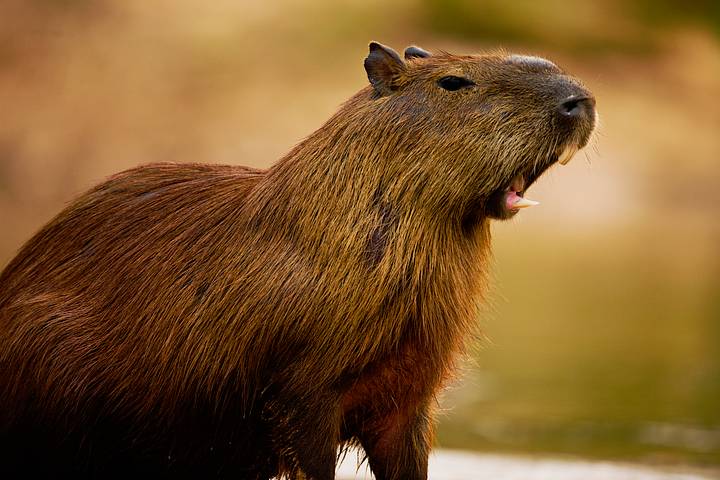
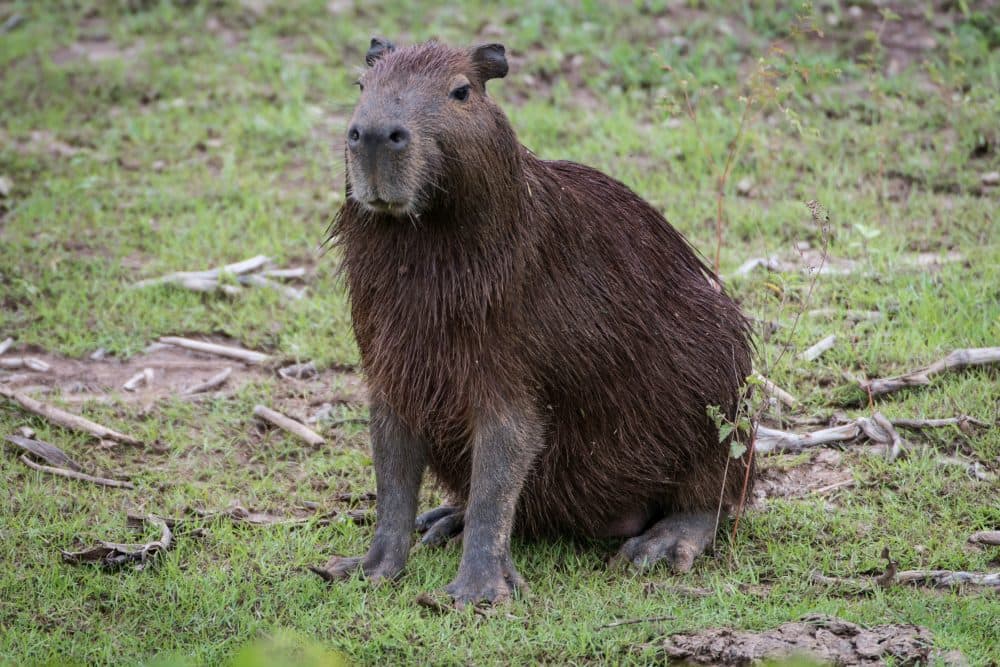
Capybaras, or Hydrochoerus hydrochaeris, are semi-aquatic mammals native to South America. They can reach up to 4 feet in length and weigh between 77 to 150 pounds. These animals have webbed feet, short fur, and are known for their calm temperament.
Capybaras thrive near rivers, lakes, and marshes, spending much of their time in the water to stay cool and escape predators. In the wild, they form groups of 10 to 20 individuals, often led by a dominant male. Their diet mainly consists of grasses and aquatic plants.
Capybara Habitat: Why Florida Seems Suitable
Florida’s environment is similar to the capybara’s native range in several ways:
- Warm temperatures year-round
- Plenty of freshwater sources like swamps, lakes, and rivers
- Dense vegetation and wetlands
Many exotic species, such as iguanas and Burmese pythons, have established themselves in Florida due to these conditions. This raises the question: could capybaras also survive and multiply in Florida?
Capybara Sightings And Escapes In Florida
Capybaras are not native to Florida, but reports of wild sightings date back to the 1990s. Most confirmed sightings trace back to escaped pets or animals that fled from private collections and wildlife parks.
Here’s a brief look at some notable events:
- 1995: A small group of capybaras escaped from a wildlife facility in Alachua County. Locals spotted them near rivers and ponds, but only a few were recaptured.
- Okeechobee County: Occasional sightings have been reported by residents and wildlife officials, with photos appearing on local news.
- Hillsborough and Pasco Counties: Farm owners and park visitors have seen capybaras in marshy areas, especially after storms or hurricanes damage fences.
These reports suggest that at least some capybaras have survived in Florida’s wild, though their numbers are likely low.
Are Capybaras Establishing Wild Populations In Florida?
Scientists and wildlife agencies have studied the possibility of a breeding population. While a few capybaras have been spotted over the years, there is little evidence of large, stable groups.
The Florida Fish and Wildlife Conservation Commission (FWC) keeps records of exotic animal sightings. According to their reports, there are no confirmed, established populations of capybaras in the state. Most animals seen in the wild are likely recent escapees, not members of a long-term colony.
However, capybaras are highly adaptable. If more escape or are released, there is a chance they could form small groups, especially in remote wetlands. The lack of strong evidence for breeding does not mean it can’t happen in the future.

Credit: flabaranimals.org
Risks And Impact Of Capybara In Florida
Introducing non-native species to Florida’s ecosystem can cause problems. Here’s how capybaras might affect the environment:
- Competition: Capybaras could compete with native species like muskrats and otters for food and space.
- Spread of Disease: They can carry parasites and diseases that might affect local wildlife or livestock.
- Crop Damage: In South America, capybaras sometimes raid crops. This could be a risk for Florida’s farmers if populations increase.
- Predation: Florida has large predators like alligators and panthers, which could keep capybara numbers in check.
So far, no major environmental problems have been linked to capybaras in Florida, but wildlife managers remain cautious.
Capybaras As Pets In Florida
Some people are interested in keeping capybaras as pets. In Florida, owning one requires a special permit. Owners must meet strict requirements for enclosure size, safety, and animal care.
Capybaras are social animals and need plenty of space, water, and companionship. Keeping just one is not recommended, as they can become lonely or stressed.
The table below compares capybara pet requirements with two other popular exotic pets:
| Animal | Space Needed | Social Needs | Permit Required |
|---|---|---|---|
| Capybara | Large yard with pool | High (needs companions) | Yes |
| Mini Pig | Medium yard | Moderate | Depends on area |
| Rabbit | Small indoor/outdoor space | Moderate | No |
Many capybaras are surrendered to rescues each year when owners realize how much work they require. This is one reason why escapes sometimes happen.
Credit: www.mentalfloss.com
Laws And Regulations
Florida has strict rules about exotic animals. Capybaras are listed as Class III wildlife, which means:
- Owners must have a permit from the state.
- Regular inspections may be done to check the animals’ well-being.
- It is illegal to release capybaras into the wild.
The state acts quickly if escaped capybaras are reported. They try to capture and relocate the animals to prevent them from starting a wild population.
Here is a summary of Florida’s capybara regulations compared to two other southern states:
| State | Permit Needed | Wild Release Penalty | Pet Ownership Allowed |
|---|---|---|---|
| Florida | Yes | High | Yes, with restrictions |
| Georgia | Yes | High | Yes, with restrictions |
| Alabama | No | Medium | No |
Why Capybaras Are Unlikely To Become Common In Florida
While the climate and landscape are suitable, several factors make it unlikely that capybaras will become widespread:
- Limited escape events: Capybaras escape less often than other exotics like iguanas.
- Predators: Alligators and bobcats could prey on capybaras, keeping numbers low.
- Regulation: Florida’s laws make it harder for unwanted capybaras to go free.
- Social needs: Capybaras struggle if alone, so a single escapee rarely survives long.
A non-obvious insight is that capybaras need a stable group to thrive. If only one or two escape, they may not find each other and start a colony. Also, their size makes them easier for people to spot and report.
Credit: www.wbur.org
What To Do If You See A Capybara In Florida
If you spot a capybara in the wild, take these steps:
- Do not approach or try to catch it; capybaras can bite if scared.
- Take a photo for evidence, noting the location and time.
- Report the sighting to the Florida Fish and Wildlife Conservation Commission.
- Never try to keep a wild capybara as a pet.
This helps wildlife authorities track exotic animals and protect Florida’s natural ecosystem.
Frequently Asked Questions
Do Capybaras Live In The Wild In Florida?
No, there are no known wild populations of capybaras in Florida. Occasional escapees are spotted, but there is no evidence of established colonies.
Can You Legally Own A Capybara In Florida?
Yes, but you need a special permit. Owners must provide proper care, space, and follow strict rules to keep a capybara as a pet.
Are Capybaras Dangerous To Humans Or Pets?
Capybaras are generally gentle, but they can bite if they feel threatened. They are not aggressive but should not be approached in the wild.
What Should I Do If I See A Capybara In Florida?
Do not try to catch it. Take a photo, note the location, and report it to wildlife authorities. This helps manage exotic animal populations.
Have Capybaras Caused Any Problems In Florida?
So far, no major issues have been reported. However, wildlife officials watch for potential environmental impacts, especially if more escape in the future.
Florida’s wild lands are full of surprises, but for now, capybaras remain a rare sight. With strong regulations and natural barriers, it’s unlikely they will become the next big invasive species. Still, it’s wise to stay informed and respect all wildlife—native or exotic. If you want to learn more about capybaras and their global spread, visit the Wikipedia Capybara page for detailed information.


