

Capybaras are fascinating animals that many people find adorable and mysterious. If you have ever wondered if these unique creatures live in Peru, you are not alone. Travelers, wildlife lovers, and students often ask, “Are there capybaras in Peru? ” The answer is yes, but there is much more to know.
Understanding their presence in Peru means exploring their natural habitats, how people interact with them, and what makes Peru a special place for capybaras.
Where Do Capybaras Live In Peru?
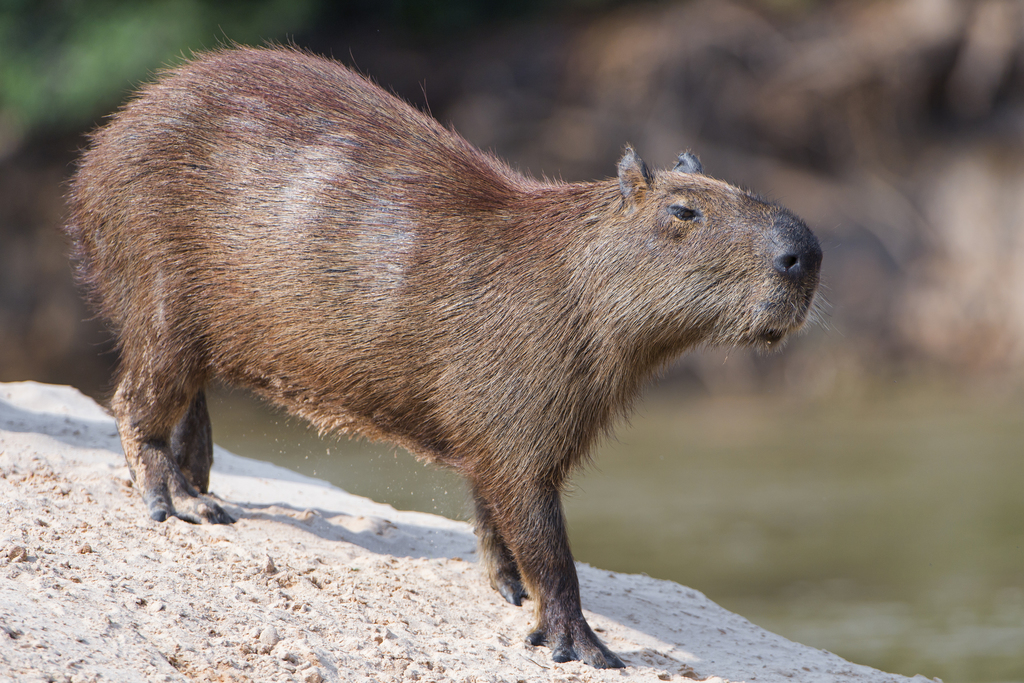
Capybaras, the largest rodents in the world, are native to South America. In Peru, they are called “roncador” in local Spanish. These animals are mostly found in the Amazon Basin, which covers the eastern part of Peru. The Amazon rainforest provides the perfect environment: plenty of water, thick plants, and safety from predators.
You can also spot capybaras in the Pantanal wetlands that extend into southeastern Peru, and along the banks of the Ucayali, Marañón, and Amazon rivers. While they prefer lowland tropical areas, you will not find them in the Andes mountains or along the Pacific coast.
Key Capybara Habitats In Peru
- Amazon Riverbanks: The thick forest and slow-moving rivers offer food and hiding places.
- Flooded Grasslands: During the wet season, these areas provide water and fresh grasses.
- Swamps and Marshes: Permanent water sources help capybaras stay cool and escape from danger.
Capybara Population And Status In Peru
Nobody knows the exact number of capybaras in Peru, but experts agree their populations are stable in protected zones. Their numbers are highest in remote areas, away from cities and farms.
Capybaras are not currently at risk of extinction in Peru. They are listed as “Least Concern” by the International Union for Conservation of Nature (IUCN). However, local threats like hunting and habitat loss can impact their numbers in some regions.
Population Comparisons
Below is a comparison of capybara population status in several South American countries:
| Country | Population Status | Main Habitats |
|---|---|---|
| Peru | Stable | Amazon basin, wetlands |
| Brazil | Very abundant | Pantanal, Amazon |
| Colombia | Stable | Llanos, rivers |
| Venezuela | Stable | Llanos, wetlands |
What Makes Peru A Good Home For Capybaras?
Peru’s climate and geography create perfect conditions for capybaras. The Amazon rainforest gets heavy rain, which fills rivers and ponds year-round. Capybaras spend much of their lives in the water—they even sleep with their noses sticking out to breathe!
Peru’s wetlands have plenty of grasses and aquatic plants, which are the main food for these animals. The thick forest also protects them from natural predators like jaguars and caimans. Because of this, capybaras can live in large family groups, sometimes with up to 30 animals.
Capybara Behavior And Daily Life
Capybaras are social. They live in groups, often led by a dominant male. These groups help protect them from predators and make it easier to find food. Capybaras are mostly active in the morning and evening, avoiding the hottest part of the day.
They are strong swimmers and can stay underwater for up to five minutes. This helps them escape danger and find food. In Peru’s wild, you might spot them sunbathing on riverbanks or making quiet calls to each other.
Daily Activities
- Feeding: Capybaras eat grasses, fruit, and water plants.
- Swimming: They use rivers and ponds to cool off and hide.
- Resting: Most rest in the shade or shallow water during midday.

Credit: www.auriperu.com
Human Interaction And Capybara Conservation In Peru
In many rural parts of Peru, people have learned to live with capybaras. Some communities hunt them for meat and hide, but strict rules protect the animals in national parks. Eco-tourism is growing, and visitors come to see capybaras in the wild.
Conservation programs in Peru focus on protecting wetlands and forests. This not only saves capybaras but also helps many other species. If you visit reserves like Tambopata National Reserve or Pacaya Samiria National Reserve, you have a good chance of seeing wild capybaras.
Common Threats
- Habitat loss: Deforestation for farming reduces capybara living space.
- Illegal hunting: Some still hunt capybaras despite laws.
- Water pollution: Chemicals from gold mining can poison rivers.
Capybaras And The Peruvian Ecosystem
Capybaras are more than just cute faces in Peru’s jungles. They play an important role in their ecosystem. By eating grasses and plants, they help keep the environment balanced. Their waste also adds nutrients to the water, supporting fish and other animals.
Predators like anacondas, jaguars, and caimans rely on capybaras as food. If capybara numbers drop, it can affect the whole food chain. This is why scientists study them as indicators of ecosystem health.
Capybaras As Prey And Seed Dispersers
Capybaras not only feed predators but also help plants grow. They eat fruit and spread seeds through their droppings. This helps forests recover after floods or fires.

Credit: machupicchuamazonperu.com
Unique Capybara Experiences In Peru
If you want to see capybaras in Peru, you have options. Guided tours in the Amazon often include river trips where you can spot these animals in the wild. The best times are early morning or late afternoon when capybaras leave the water to feed.
Some eco-lodges offer wildlife walks, and local guides know the best places to find capybaras. Watching a group of capybaras in their natural home is very different from seeing them in a zoo—it is peaceful, exciting, and gives a true taste of the Amazon.
Tips For Spotting Capybaras
- Stay quiet and move slowly near riverbanks.
- Use binoculars for better views without disturbing them.
- Visit during the dry season (May to October) when animals gather at water sources.
Surprising Facts About Capybaras In Peru
Many people do not realize that capybaras can live up to 8-10 years in the wild. In Peru, they often share their home with other animals like giant river otters and black caimans. Another surprising fact is that capybaras are excellent at hiding; they can stay still in the water with just their eyes and nose above the surface.
A less obvious insight is that capybara family groups sometimes mix with other species, like birds that pick parasites from their backs. This shows how connected life in the Amazon can be.
Credit: www.inaturalist.org
Frequently Asked Questions
What Do Capybaras Eat In Peru?
Capybaras mostly eat grasses, water plants, and fruit. They need lots of fiber to stay healthy and often feed on the riverbank or in flooded fields.
Are Capybaras Dangerous To Humans?
No, capybaras are gentle and shy. They usually avoid people and pose no danger. Still, it is important to respect their space and not try to touch or feed wild capybaras.
Can You Keep A Capybara As A Pet In Peru?
Keeping capybaras as pets is not common in Peru and may be illegal without special permits. They need lots of water, space, and a group to be happy, which is hard to provide at home.
Where Is The Best Place To See Capybaras In Peru?
The Amazon Basin offers the best chance. Reserves like Tambopata and Pacaya Samiria are popular with wildlife watchers. Early morning boat trips often give great views.
How Do Capybaras Help The Environment?
Capybaras are key herbivores. They control plant growth, spread seeds, and provide food for predators. Their presence is a sign of a healthy wetland or forest.
Capybaras are a special part of Peru’s wild places. Seeing them in their natural home is a reminder of the country’s rich biodiversity and the importance of protecting it for the future. For more information about capybara conservation, you can check the Wikipedia page on capybaras.


