
Have you ever wondered if a capybara could be your next pet? These large, gentle rodents are known for their calm nature and unique charm.
But before you bring one home, there are important things you need to know. Is a capybara really a good fit for your lifestyle? Can you provide the care and environment they need? Keep reading to discover the surprising truth about owning a capybara and whether it’s the right choice for you.
Capybara Basics
Capybaras are unique animals that attract many pet lovers. Understanding their basics helps decide if they fit as pets. These gentle creatures have special needs and traits to consider.
Learn about their physical traits, natural habitat, and behavior. This knowledge is key before choosing a capybara as a pet.
Physical Traits
Capybaras are the largest rodents in the world. They have a sturdy, barrel-shaped body covered with coarse fur. Their fur is brownish and helps them blend into nature. Capybaras have webbed feet for swimming. Their eyes, ears, and nose sit high on their heads. This helps them see and breathe while swimming. Adult capybaras can weigh up to 140 pounds. They grow about 4 feet long. Their size is important to know for space needs as pets.
Natural Habitat
Capybaras live near water in South America. They prefer rivers, lakes, and marshes. These places provide food and safety. Capybaras are social and live in groups. Water helps them stay cool and escape predators. Their habitat is warm and humid. They spend a lot of time swimming or resting near water. This shows their need for a wet environment at home.
Behavior And Temperament
Capybaras are calm and gentle animals. They enjoy socializing with others of their kind. They can bond with humans if treated kindly. Capybaras communicate with whistles and purrs. They are active during the day and rest at night. These animals like to chew plants and grass. They need mental and physical stimulation to stay happy. Their friendly nature makes them good pets for patient owners.

Credit: www.thedunhamfarm.com
Legal Considerations
Before deciding to keep a capybara as a pet, understanding the legal rules is crucial. Laws about owning exotic animals like capybaras vary widely. Some places allow it, while others ban it. Knowing these laws helps you avoid fines and legal trouble.
Pet Ownership Laws
Many countries have laws about owning exotic pets. Capybaras are not common pets, so laws may be strict. Some states or countries list capybaras as wild animals. This means owning one might be illegal or need special permission.
Permits And Licensing
In areas where capybaras are allowed, permits might be required. These permits prove you can care for the animal properly. Getting a license often involves inspections and fees. It shows authorities you meet safety and care standards.
Local Restrictions
Local rules can also affect capybara ownership. Cities or counties may have their own restrictions. Some areas ban exotic pets in residential zones. Check local laws before bringing a capybara home. Ignoring these rules can lead to penalties or losing your pet.
Housing Needs
Capybaras are large, social animals that need special housing. Their comfort and health depend on the right space and environment. Meeting these needs is key to happy, healthy pets.
Space Requirements
Capybaras require a lot of space to move and explore. A small room or cage is not enough for them. They need an area that allows walking, running, and playing. At least 100 square feet per capybara is a good start. Space helps reduce stress and encourages natural behavior.
Outdoor Vs Indoor
Capybaras can live both indoors and outdoors. Outdoor areas should be secure and free from predators. A fenced yard with shade is ideal. Indoors, they need a quiet, safe spot with enough room to roam. Temperature control is important, as capybaras prefer warm climates but can get cold easily.
Water Access
Water is essential for capybaras. They are semi-aquatic and love swimming. A pool or pond allows them to cool off and stay active. The water should be clean and deep enough for swimming. Daily access to water supports their physical and mental health.
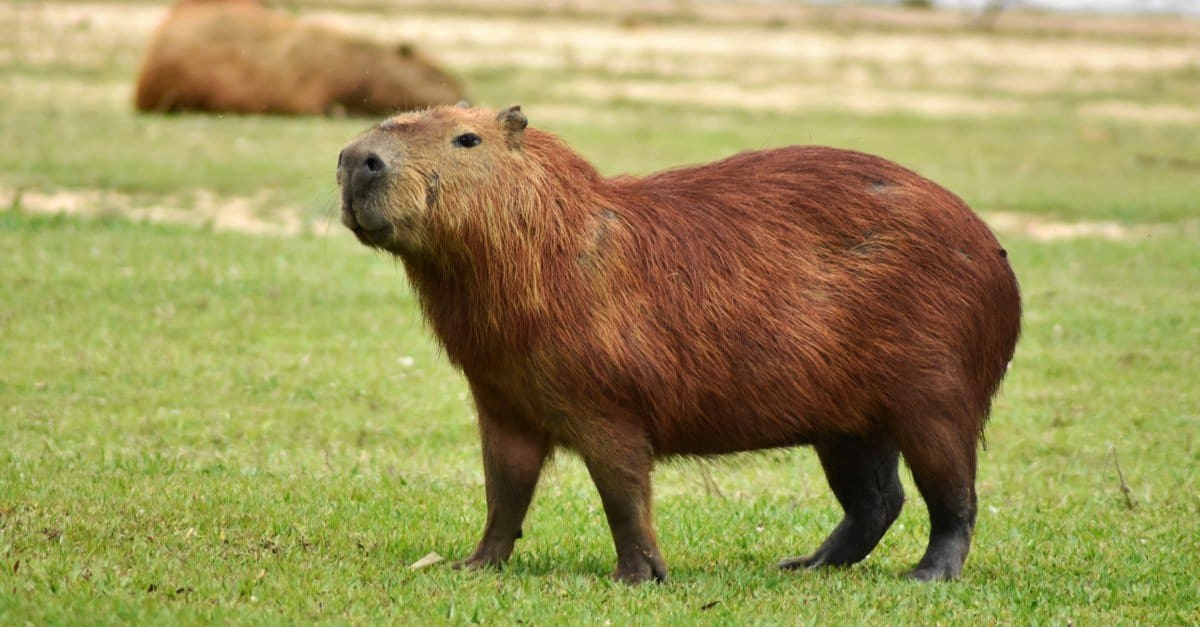
Credit: a-z-animals.com
Diet And Nutrition
Capybaras need a special diet to stay healthy as pets. Their nutrition must mimic what they eat in the wild. A balanced diet helps keep their teeth and digestion in good shape. Understanding their food needs is key for any owner.
Essential Foods
Capybaras mainly eat grasses and plants. Fresh hay is a must-have food for them daily. They enjoy fresh vegetables like carrots and squash too. Fruits can be treats but only in small amounts. Avoid sugary or processed foods to keep them safe.
Supplements
Calcium is important for strong bones and teeth. Some capybaras need vitamin supplements for extra health. Always check with a vet before giving any supplements. Salt blocks can help balance minerals in their diet.
Feeding Schedule
Feed capybaras twice a day at regular times. Provide fresh water all the time for hydration. Remove uneaten food to avoid spoilage and bugs. Keep their feeding area clean to prevent illness.
Health Care
Taking care of a capybara’s health is very important for a happy pet. Capybaras need regular health checks to stay strong and active. Good health care helps prevent illness and keeps them comfortable in your home.
Common Illnesses
Capybaras can get common illnesses like skin infections and respiratory problems. They may suffer from parasites such as ticks and fleas. Watch for signs like coughing, itching, or unusual behavior. Early detection can stop diseases from getting worse.
Vaccinations
Vaccinations protect capybaras from serious diseases. They need vaccines for tetanus and other common infections. Follow a vet’s advice on the right vaccination schedule. Keep records of all shots to track their health history.
Finding A Vet
Not all vets know how to care for capybaras. Find one with experience in exotic or large rodents. Ask for referrals from other capybara owners or exotic pet groups. A good vet can give proper advice and emergency care.
Social Needs
Capybaras are very social animals. They need company to feel happy and safe. In the wild, they live in groups. This social life helps them reduce stress and stay healthy. Pet capybaras also need attention and friends. Meeting their social needs is very important for their well-being.
Interaction With Humans
Capybaras enjoy gentle and calm human contact. They like petting and quiet time together. Regular interaction helps build trust and friendship. Sudden loud noises or rough handling can scare them. Spend time every day talking or sitting near your capybara. This keeps them feeling loved and secure.
Other Pets Compatibility
Capybaras often get along with other pets. Small dogs and rabbits can be good companions. Introduce new pets slowly and watch their reactions. Some animals may be too rough or aggressive. Capybaras prefer calm and friendly friends. A peaceful group helps everyone feel safe and happy.
Preventing Loneliness
Loneliness can cause stress and health problems in capybaras. Keep your capybara busy with toys and water play. Provide a quiet space for rest and privacy. Consider having more than one capybara if possible. Regular social time stops boredom and keeps your pet active.
Training Tips
Training a capybara helps build trust and a good bond. It also keeps your pet safe and happy. Patience and gentle guidance work best. Start training early for better results.
Capybaras learn through simple repetition and rewards. Use treats to encourage good behavior. Keep sessions short and fun to hold their attention.
Basic Commands
Teach simple commands like “come,” “stay,” and “no.” Use a clear, calm voice each time. Show the action with hand signals. Reward your capybara with a treat or praise. Repeat commands daily for faster learning.
Potty Training
Capybaras can learn to use one spot for bathroom needs. Choose an easy-to-clean area outside or inside. Lead your pet to this spot often. Praise and reward after successful use. Clean accidents quickly to avoid confusion.
Behavior Management
Capybaras are social but can be shy or stubborn. Set clear boundaries and be consistent. Avoid yelling or punishment; it frightens them. Use calm words and gentle touch to correct. Offer plenty of social time and enrichment.
Safety Precautions
Keeping a capybara safe at home takes careful planning. These large rodents need special care. Understanding safety precautions helps protect both the pet and the owner. Capybaras are gentle but can be strong and easily stressed. Knowing how to handle them correctly is key.
Handling Techniques
Always approach a capybara calmly and quietly. Sudden moves can scare them. Support their body fully when picking them up. Use both hands under their chest and hind legs. Avoid squeezing or holding too tightly. Let the capybara feel secure and relaxed. Regular gentle handling helps build trust.
Emergency Preparedness
Have a plan ready for health or safety emergencies. Know the location of a nearby vet who understands capybaras. Keep a first aid kit with bandages and disinfectants. Watch for signs of illness, like loss of appetite or unusual behavior. Act quickly if the capybara shows distress or injury. Keep emergency phone numbers handy.
Avoiding Common Hazards
Remove sharp objects and toxic plants from their area. Capybaras like to chew, so keep dangerous items out of reach. Use secure fencing to prevent escapes. Avoid loud noises and stressful environments. Provide clean water and safe swimming spots. Keep their living space dry to prevent infections.
Costs And Commitment
Owning a capybara as a pet requires serious thought about costs and time. These gentle creatures need more than just a home. They need care, space, and attention every day. Understanding the expenses and the commitment helps you decide if a capybara fits your lifestyle.
Initial Expenses
Buying a capybara can be expensive. The price varies by location and breeder. You also need a proper enclosure. Capybaras love water, so a pond or pool is a must. Building or buying a safe, spacious habitat adds to the cost. Don’t forget permits or licenses if your area requires them.
Ongoing Care Costs
Feeding a capybara is not cheap. They eat grass, vegetables, and special pellets. Fresh water is always needed. Regular vet visits keep them healthy. Vaccinations and parasite control are important. You may spend money on cleaning supplies for their habitat. These costs add up over time.
Time Investment
Capybaras need daily attention. They are social animals and want companionship. You must spend time playing and bonding. Cleaning their living space takes effort. They also need exercise and mental stimulation. Neglect can cause stress and health problems. Prepare for a long-term time commitment.

Credit: www.awsfzoo.com
How Capybara World Can Help You with Can a Capybara Be a Pet
Learning from the Capybara Experience
So, you’ve been wondering, can a capybara be a pet? Beyond the curiosity, this question opens up some great practical learning opportunities. For example, understanding their housing needs is not just about providing space—it’s a lesson in creating environments that cater to both physical and social well-being, since capybaras thrive in groups. Observing their social needs can teach us about animal communication and empathy, highlighting the importance of companionship in their lives.
Exploring their diet and nutrition offers insight into herbivore biology and the role of wetlands in supplying their natural food sources. Learning from experts like Marina Velasco, a wildlife biologist with deep experience in capybara behavior, helps ground your knowledge in science rather than just anecdote. If you ever want to dive deeper into these topics or have questions, the Capybara World community is a warm, goofy bunch ready to share what they know—feel free to reach out at hello@capybara-world.com.
Frequently Asked Questions
Can A Capybara Live Indoors As A Pet?
Capybaras can live indoors but need ample space and water access. They thrive best with room to roam and swim, making outdoor or semi-aquatic setups ideal.
Are Capybaras Friendly And Social Pets?
Yes, capybaras are social and friendly. They bond well with humans and other pets but require companionship to stay happy and healthy.
What Do Capybaras Eat As Pets?
Capybaras primarily eat grasses, vegetables, and fresh fruits. A balanced diet is essential to maintain their health and natural behavior.
Do Capybaras Require Special Permits To Own?
Many places require permits or licenses to own capybaras. Check local laws before acquiring one to ensure legal ownership and compliance.
Conclusion
Capybaras can be unique pets but need special care. They require space, water, and social interaction daily. Owning one means understanding their habits and needs well. Not everyone can provide the right environment for them. Think carefully before deciding to keep a capybara at home.
They bring joy but also responsibility. Choose wisely to ensure both you and the capybara stay happy.


