
Capybaras are the world’s largest rodents and have become social media stars. Their gentle nature, funny expressions, and relaxed attitude attract many animal lovers. But can capybaras really be kept as pets? There’s more to this question than just their cute faces.
Owning a capybara is a big commitment, and it’s not the same as having a dog or cat. Understanding their needs, the legal situation, and the reality of capybara care is key if you’re thinking about making one part of your family.
What Makes Capybaras Unique
Capybaras are native to South America. They live in groups near water and are known for being highly social. Adults can weigh up to 150 pounds and grow to about 2 feet tall and 4 feet long. They have webbed feet and love to swim. Their diet is mostly grass and aquatic plants.
Unlike most rodents, capybaras need regular access to water for swimming and keeping their skin healthy. They also communicate using sounds, such as whistles, barks, and purrs. Their intelligence and calm behavior make them seem like good pets, but their wild instincts remain strong.
Legal Status: Is It Allowed To Own A Capybara?
Before even thinking about adopting a capybara, check your local laws. In many countries and states, capybaras are considered exotic animals. Some places allow them with special permits, while others ban them completely.
Here’s a quick comparison of capybara legality in a few regions:
| Country/State | Legal to Own? | Permit Required? |
|---|---|---|
| United States (varies by state) | Sometimes | Often Yes |
| Canada | Rarely | Usually No |
| United Kingdom | Yes | Yes |
| Australia | No | Not Allowed |
Laws can change, so always check with your local animal control or wildlife department before making any decisions.
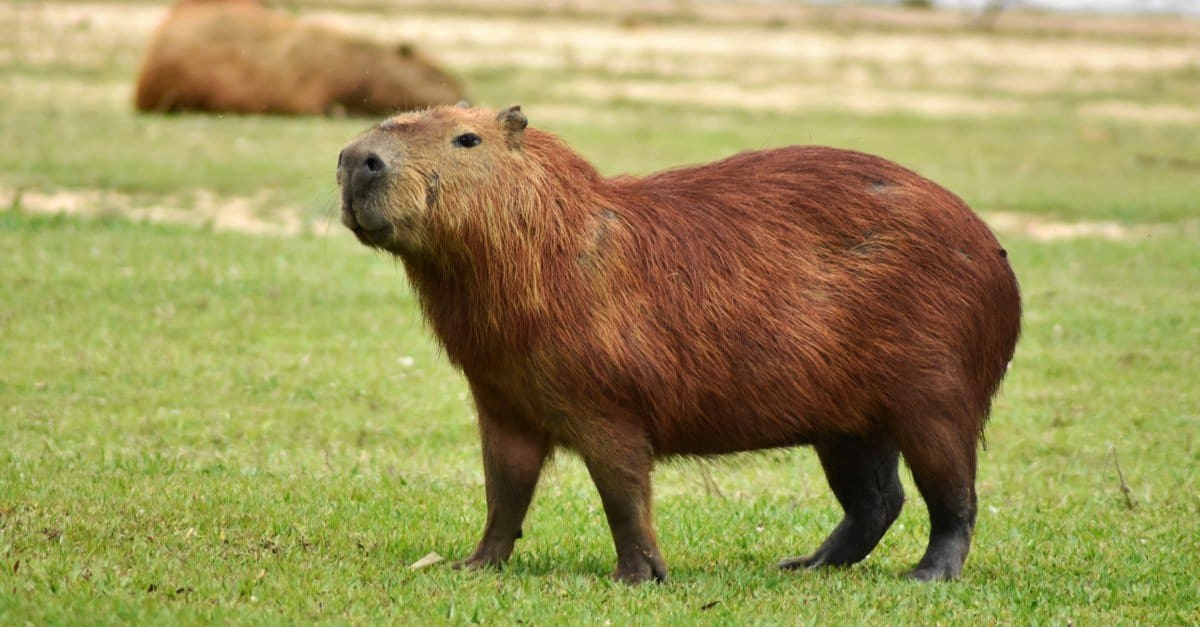
Credit: a-z-animals.com
Daily Needs And Care Requirements
Capybaras have special needs that set them apart from traditional pets. Here’s what you must consider:
Space And Environment
Capybaras require a lot of outdoor space. A small yard is not enough. They need a secure, escape-proof enclosure that’s at least 12 feet by 20 feet for one or two animals. Fencing should be strong and tall, as capybaras can climb or push through weak spots.
Water access is a must. Capybaras spend a lot of time in water to stay cool and maintain healthy skin. A pond or a large pool is essential, not just for fun but for their well-being.
Diet And Feeding
These animals are strict herbivores. Their primary diet is fresh grass, but they also eat hay, vegetables, and some fruit. They need high-fiber foods to keep their teeth and digestive system healthy.
Here’s a sample daily diet for a capybara:
| Food Item | Approximate Amount |
|---|---|
| Fresh Grass | Unlimited |
| Timothy Hay | 1-2 lbs |
| Leafy Greens | 2-3 cups |
| Vegetables | 1 cup |
| Fruit (occasional treat) | 1/4 cup |
Social Needs
Capybaras are herd animals. In the wild, they live in groups of 10–20. Keeping a single capybara alone can cause stress and lead to health problems. Experts recommend having at least two capybaras so they can socialize properly.
Veterinary Care
Finding a veterinarian who knows how to treat capybaras can be difficult. They need regular checkups, vaccinations, and parasite control. If they get sick, medical care can be expensive and hard to find.
Pros And Cons Of Having A Capybara As A Pet
Owning a capybara is not for everyone. Here’s a balanced look at the positives and challenges:
Benefits
- Capybaras are gentle and rarely aggressive.
- They can form strong bonds with their owners.
- Watching their unique behaviors can be rewarding.
- Their calm nature can have a relaxing effect on people.
Challenges
- They require a lot of space and a pool.
- Their diet is specialized and costly.
- Veterinary care is often hard to access.
- They can chew on furniture and dig up gardens.
- Capybaras may carry diseases that can affect humans or other pets.
A non-obvious insight: Capybaras are very sensitive to changes in their environment. Sudden noises or new animals can cause them anxiety, which can lead to health issues.
Another detail many people miss: Capybaras can become aggressive during mating season. Even the calmest individuals may bite or chase if they feel threatened or frustrated.

Credit: twpark.com
Cost Of Keeping A Capybara
The cost of owning a capybara is much higher than a dog or cat. Here is a rough breakdown of initial and ongoing expenses:
| Expense | Estimated Cost (USD) |
|---|---|
| Purchase/adoption | $1,000–$3,000 |
| Large enclosure & fencing | $2,000–$5,000 |
| Pond or pool | $1,500–$4,000 |
| Yearly food | $500–$1,000 |
| Veterinary care | $300–$800/year |
Unexpected costs, like emergency medical care or enclosure repairs, can add up quickly.
Is A Capybara Right For You?
If you have lots of space, access to water, live in a region where it’s legal, and can provide a companion capybara, you might be able to meet their needs. However, capybaras are not low-maintenance pets. They do best in homes with experience in caring for exotic or large animals.
If you’re looking for a pet that’s easy to care for and happy to be alone, a capybara is not the right choice. For most people, enjoying capybaras at a wildlife park or sanctuary is the best option.
For more details about capybara care and requirements, visit the Wikipedia Capybara Page.

Credit: www.thedunhamfarm.com
Frequently Asked Questions
What Do Capybaras Eat As Pets?
Capybaras mainly eat fresh grass, hay, leafy greens, and some vegetables. They need a high-fiber diet to keep their teeth and digestion healthy. Fruits should only be given as treats.
Are Capybaras Friendly With Humans And Other Pets?
Capybaras are usually gentle and social. They can bond with humans and even get along with some other animals, like dogs. But they must be introduced slowly and always supervised, as their size and strength can surprise people.
Do Capybaras Need To Live In Groups?
Yes, capybaras are herd animals. Keeping just one can cause loneliness and stress. At least two capybaras are recommended for their well-being.
Can Capybaras Be Litter Trained?
Capybaras are intelligent and can sometimes learn to use a specific spot for bathroom needs, especially if trained from a young age. However, full litter training like a cat is rare.
How Long Do Capybaras Live As Pets?
With proper care, capybaras can live 8 to 12 years in captivity. Good diet, socialization, and regular vet visits help them reach their full lifespan.
Capybaras are fascinating animals, but they are not easy pets. If you love their unique charm and want to care for them, be ready for a big commitment. For most people, watching capybaras in the wild or at a sanctuary is the safest and happiest choice for both you and the animals.


