

Capybaras are known for their friendly nature and unique behaviors. Many people keep these gentle animals as pets or observe them in zoos. If you own a capybara or spend time with them, you might notice their curiosity about everyday objects—including paper.
But is it safe for capybaras to eat paper? Understanding the risks, reasons behind their behavior, and how to keep them healthy is important for anyone who cares for these fascinating creatures.
Why Capybaras Might Eat Paper
Capybaras are herbivores. In the wild, their diet includes grasses, aquatic plants, and sometimes fruits or vegetables. Their teeth are always growing, so they chew on various materials to keep them in shape. When living with humans, capybaras might find paper lying around and chew on it out of curiosity or boredom.
Paper often smells or feels interesting to animals. Capybaras might explore it with their mouths, especially if they do not have enough natural food or chew toys. Young capybaras are even more likely to nibble on strange items as part of their learning process.
Is Paper Safe For Capybaras?
Paper is not food for capybaras. Even though small amounts may pass through their digestive system without causing harm, regular or large consumption is risky. Most paper contains chemicals, inks, or bleaches that are not natural for capybara digestion.
Here is a quick comparison between natural food and paper for capybaras:
| Item | Digestibility | Risks | Nutritional Value |
|---|---|---|---|
| Grass | High | None | Essential nutrients |
| Fruits/Vegetables | Medium | Overfeeding possible | Vitamins, minerals |
| Plain Paper | Very Low | Blockage, chemicals | None |
Even plain, white paper can be dangerous. Colored or printed paper usually contains toxic chemicals. Cardboard and tissue paper also pose risks, especially if ingested in large pieces.

Credit: petcapybara.com
What Happens If A Capybara Eats Paper?
A small bite of paper may pass through without immediate effects. However, there are several dangers:
- Digestive blockage: Paper can clump in the stomach or intestines, causing pain and preventing normal digestion.
- Chemical poisoning: Bleach, ink, or dyes in paper can harm the liver and other organs.
- Loss of appetite: If a capybara feels unwell after eating paper, it may stop eating real food.
- Choking: Swallowing larger pieces of paper or cardboard can block the throat.
Some capybaras may show signs like drooling, lack of energy, or changes in stool. If you notice these signs, contact a veterinarian immediately.
Healthy Alternatives For Chewing
Capybaras need to chew often. Giving them safe, healthy options prevents them from eating dangerous items. Some good choices include:
- Fresh branches from safe trees (like apple or willow)
- Hay and grasses
- Chew toys made for rodents (untreated wood only)
- Vegetable sticks (like carrots or celery, in moderation)
These options help wear down their teeth and keep them busy. Make sure toys and branches are free from chemicals or pesticides.
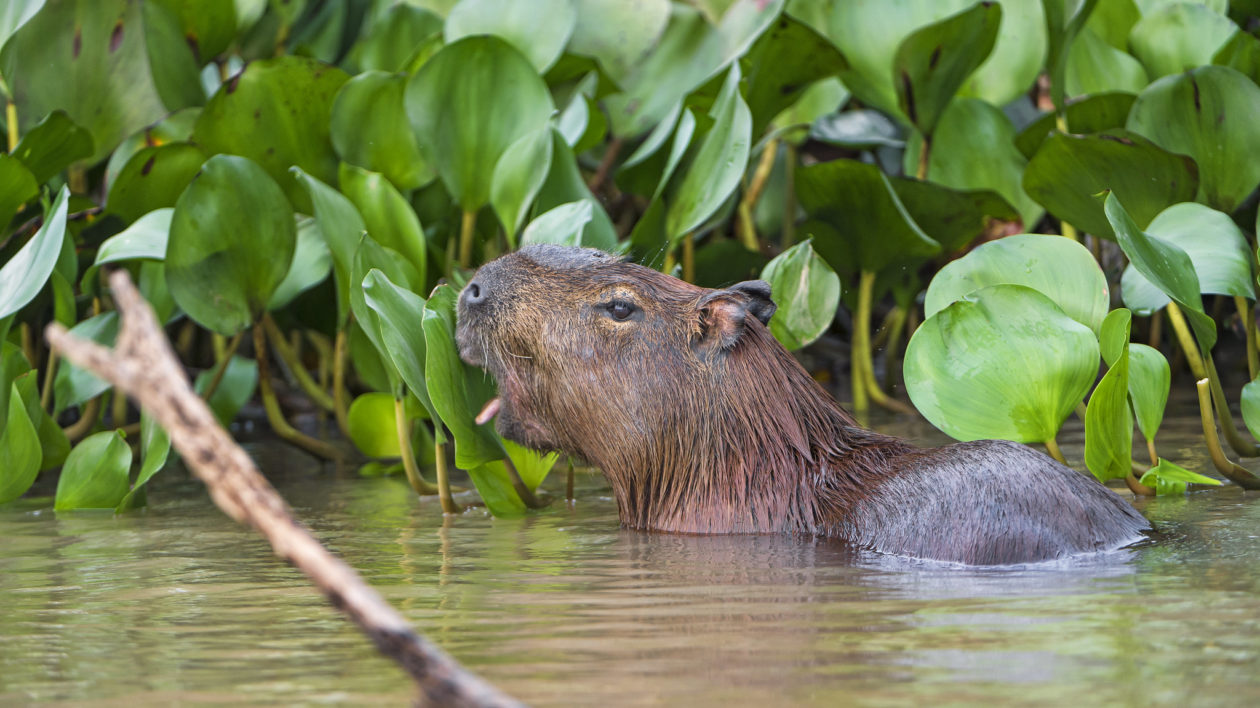
Credit: blog.nature.org
How To Prevent Capybaras From Eating Paper
Keeping paper away from your capybara is the best way to avoid problems. Here are some practical tips:
- Store books, documents, and tissue boxes out of reach.
- Clean up any paper scraps or wrappers from their living area.
- Provide plenty of safe chewing options.
- Observe your capybara often to notice unusual chewing behavior.
- Use positive reinforcement to redirect their attention if they start chewing on something unsafe.
Building a stimulating environment is important. Capybaras are smart and get bored easily. If they have nothing to do, they are more likely to chew on inappropriate items.
What To Do If Your Capybara Eats Paper
If your capybara eats a small piece of paper, do not panic. Watch for any signs of discomfort or illness. If they stop eating, become lethargic, or show other symptoms, contact a vet quickly.
For larger amounts or if you know the paper was colored or printed, seek help immediately. Bring the packaging or a sample of the paper to show the veterinarian, as this can help them decide the best treatment.

Credit: www.inspiremore.com
Common Myths About Capybaras And Paper
Some people believe that since capybaras chew on many things, paper is harmless. This is not true. Wild capybaras never eat paper—it’s an artificial material with no nutritional value. Others think that tissue paper is safer, but it can still cause blockage or contain softening chemicals.
Another myth is that capybaras “know” what is safe. In reality, their curiosity sometimes overrides their instincts, especially in captivity. Owners must take responsibility for their environment.
Comparing Capybaras With Other Pets
Many pets chew on paper, but the risks are different for each animal. Here is a quick look:
| Animal | Paper Chewing Behavior | Risk Level |
|---|---|---|
| Capybara | High curiosity | Medium-High |
| Guinea Pig | Frequent chewer | High |
| Rabbit | Occasional chewer | Medium |
| Dog | Playful chewer | Medium |
| Cat | Rarely chews | Low |
For all these animals, paper is not recommended as a treat or toy.
The Importance Of A Balanced Diet
A healthy capybara diet is made up mainly of grasses and vegetables. In captivity, good-quality hay is the best base. Some fruits and special rodent pellets can be added, but in small amounts.
Here’s a basic guide to capybara food:
| Food Type | Frequency | Amount (per day) |
|---|---|---|
| Hay/Grass | Daily | Unlimited |
| Vegetables | Daily | 1-2 cups |
| Fruit | 2-3 times/week | Small piece |
| Pellets | Optional | As recommended |
Avoid human food, processed snacks, or anything with chemicals. Water should always be fresh and available.
Non-obvious Insights For Capybara Owners
First, capybaras sometimes eat non-food items because they lack certain minerals. You can ask your vet about mineral blocks or supplements. Second, chewing on paper can be a sign of stress or boredom. Enrich their environment with pools, hiding places, and safe companions. This reduces unwanted chewing and keeps your pet happy.
Frequently Asked Questions
Can Capybaras Digest Paper At All?
No, capybaras cannot properly digest paper. Small amounts may pass through, but paper does not break down in their digestive system and offers no nutrition.
What Should I Do If My Capybara Eats A Lot Of Paper?
Monitor for signs like loss of appetite, no stool, or unusual behavior. Contact a veterinarian right away, especially if the paper was printed or colored.
Are Paper-based Bedding Products Safe For Capybaras?
Paper bedding is not recommended. Capybaras might eat it, leading to blockage or illness. Use hay or other safe bedding options.
Why Do Capybaras Chew On Non-food Items?
Chewing is a natural behavior for dental health. If they lack safe items to chew, they may turn to paper or other objects out of boredom or curiosity.
Where Can I Find More Information About Capybara Care?
You can find reliable information at Wikipedia and consult veterinarians with experience in exotic animals.
Capybaras are amazing pets, but their curiosity can get them into trouble. By understanding their needs and keeping dangerous items like paper away, you can ensure they live a long, healthy life. Remember, always choose safety and natural foods for your capybara’s well-being.


