

Have you ever wondered if you can have a capybara as a pet? These gentle, social creatures are becoming popular pets, but there’s more to owning one than just their cute looks.
Before you bring a capybara home, you need to understand what it takes to care for them properly. You’ll discover the truth about keeping a capybara as a pet, what challenges you might face, and whether it’s the right choice for your lifestyle.
Keep reading—you’ll want to know this before making any decisions.

Credit: www.thedunhamfarm.com
Capybara Basics
Capybaras are unique animals that many find fascinating. Understanding their basics helps decide if they fit as pets. They are gentle creatures but need special care. Knowing their traits, habitat, and behavior is important for any pet owner.
Physical Traits
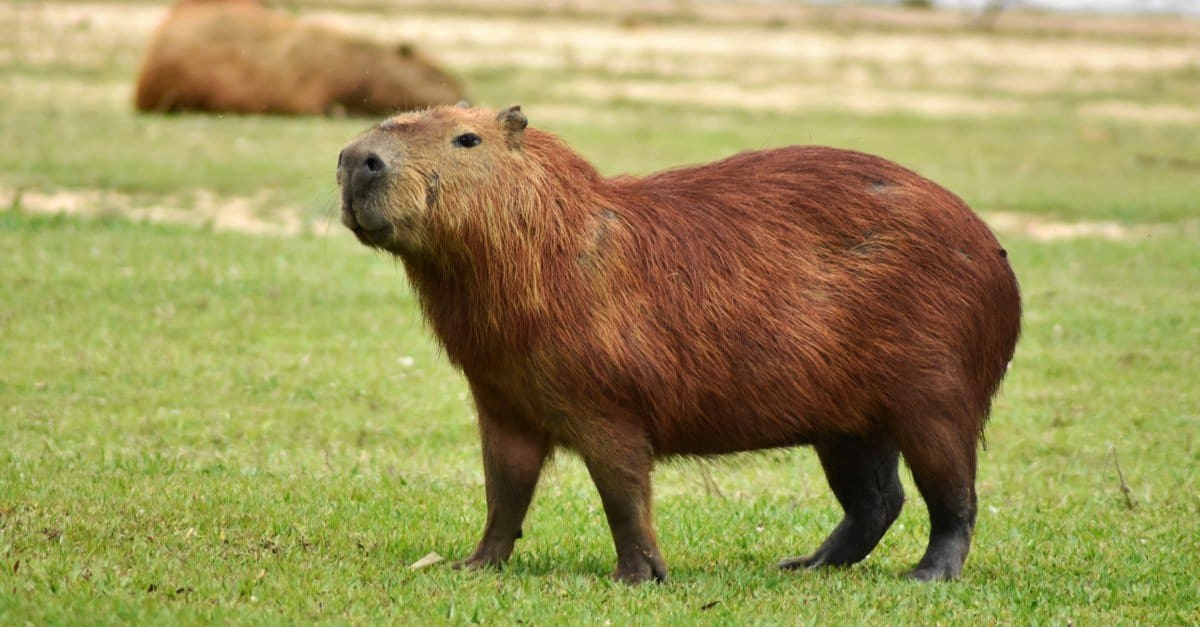
Capybaras are the largest rodents in the world. They weigh between 77 and 146 pounds. Their bodies are barrel-shaped and covered in coarse brown fur. They have webbed feet that help them swim well. Their eyes, ears, and nostrils sit high on their heads.
Natural Habitat
Capybaras live in South America, near water. They prefer areas with rivers, lakes, and wetlands. These places provide food and safety from predators. They spend much time in water to stay cool and escape danger. The environment shapes their social and survival habits.
Behavior Patterns
Capybaras are social animals and live in groups. They communicate using sounds like barks, whistles, and purrs. They are mostly active during the morning and evening. Capybaras enjoy swimming and grazing on grasses. They need companionship and space to stay happy.
Legal Considerations
Owning a capybara as a pet involves several legal rules. These rules help protect the animal and people around it. Before getting a capybara, you must know the laws in your area. These laws can vary a lot from place to place.
Pet Ownership Laws
Many places have rules about which animals you can keep as pets. Capybaras are not common pets, so they may be banned in some areas. These laws aim to keep wild animals safe and prevent problems. Always check if your local laws allow capybaras as pets.
Permits And Licenses
Some regions require special permits to own exotic animals like capybaras. These permits show you follow safety and care standards. You might need to apply and pay a fee for the permit. Without a permit, owning a capybara might be illegal and lead to fines.
Local Restrictions
Local governments may have extra rules beyond state or national laws. These can include limits on where you can keep the capybara or how to care for it. Some places may require the animal to live in a secure enclosure. Checking local rules helps avoid legal troubles and keeps the animal safe.
Housing Needs
Capybaras are large, social animals. They need special care at home. Proper housing is key for their health and happiness. Understanding their space and water needs helps create a safe environment.
Space Requirements
Capybaras need plenty of space to move freely. A small cage is not enough. They require at least 100 square feet of outdoor area. This space lets them walk, run, and explore. More space reduces stress and keeps them active.
Enclosure Setup
The enclosure should be secure and escape-proof. Use strong fencing that is at least 4 feet tall. Provide shaded spots to protect from sun. Soft ground like grass or dirt is best. Avoid concrete floors to prevent sore feet.
Water Access
Water is essential for capybaras. They love swimming and soaking. A large pool or pond inside the enclosure works well. The water must be clean and refreshed daily. This helps them stay cool and healthy.
Diet And Nutrition
Capybaras need a special diet to stay healthy. Their natural food is mostly plants and grass. Proper nutrition helps them live a long, happy life. Understanding their diet is key to caring for them well.
Essential Foods
Capybaras eat lots of fresh grass every day. They also enjoy vegetables like carrots and squash. Providing fresh hay is important for their digestion. Avoid giving them sugary or processed foods. Clean water should always be available.
Supplements
Sometimes capybaras need extra vitamins. Calcium supplements help keep their teeth strong. Vitamin C can boost their immune system. Always check with a vet before adding supplements. Over-supplementing can harm their health.
Feeding Schedule
Feed your capybara twice a day. Morning and evening meals work best. Offer fresh food and remove leftovers quickly. Keep water bowls full and clean. Regular feeding helps maintain their energy and mood.
Health Care
Capybaras need special care to stay healthy as pets. Their health depends on good diet, clean water, and proper living space. Understanding their health needs helps keep them happy and strong.
Regular checks and good hygiene prevent many health problems. Knowing common illnesses and how to avoid them is important for every capybara owner.
Common Illnesses
Capybaras can catch skin infections from dirty water or bedding. They may suffer from parasites like ticks and mites. Digestive problems happen if they eat the wrong foods. Respiratory infections may occur in cold or damp environments. Watch for signs like loss of appetite or unusual behavior.
Veterinary Care
Find a vet who knows exotic pets well. Schedule regular check-ups to catch issues early. Vaccinations and parasite treatments keep diseases away. Emergency care is important for injuries or sudden sickness. Keep a health record for your capybara to track treatments and check-ups.
Preventive Measures
Provide fresh water and clean living space daily. Feed a diet rich in grasses and vegetables. Avoid sugary or processed foods that harm digestion. Keep their environment dry and safe from cold drafts. Regular grooming helps spot skin problems early. Monitor behavior for signs of stress or illness.

Credit: www.awsfzoo.com
Behavior And Social Life
Capybaras have unique behavior and social habits. Understanding these helps you care for them well. They are gentle creatures that thrive in groups. Their social life affects their happiness and health.
Learning about their temperament, how they interact with humans, and their social needs is important for anyone considering a capybara as a pet.
Temperament
Capybaras are calm and peaceful animals. They rarely show aggression or fear. They enjoy quiet and safe surroundings. Their gentle nature makes them easy to handle. This temperament makes them good pets for patient owners.
Interaction With Humans
Capybaras can bond with people over time. They like gentle petting and soft voices. They may follow owners around slowly. Trust grows with consistent care and kindness. Sudden movements can scare them, so patience is key.
Social Needs
Capybaras are highly social and dislike being alone. They live in groups in the wild. Keeping a single capybara may cause stress or sadness. Having at least one companion is best. Social interaction keeps them active and happy.
Training Tips
Training a capybara helps it become a happy and well-behaved pet. Start training early to build trust and good habits. Patience and consistency are key for success. Below are some simple tips to guide you.
House Training
Capybaras can learn to use a specific spot for their bathroom needs. Choose a quiet corner with a shallow tray or litter box. Take your capybara to this spot often, especially after meals. Praise or gently reward it when it uses the area correctly. Clean the spot regularly to keep it fresh and inviting.
Behavioral Training
Teach your capybara simple rules like no biting or jumping on furniture. Use calm but firm voice tones to say “no” or “stop.” Redirect unwanted actions to a toy or safe area. Repeat commands during different times of the day. Small, clear steps help your pet learn faster.
Positive Reinforcement
Reward good behavior with treats, petting, or soft praise. This encourages your capybara to repeat those actions. Avoid punishment as it can cause fear or stress. Use gentle and kind methods to build a strong bond. Positive reinforcement makes training easier and fun.
Challenges Of Ownership
Owning a capybara is not as simple as it sounds. These large rodents have specific needs that require serious attention. Understanding the challenges helps decide if a capybara fits your lifestyle.
Time Commitment
Capybaras need daily care and social interaction. They thrive with companionship and can get lonely. You must spend time cleaning their habitat often. Exercise and mental stimulation are essential every day. This pet demands patience and routine to stay happy.
Costs Involved
Owning a capybara can be expensive. Their diet includes fresh vegetables and special pellets. Veterinary care for exotic pets often costs more than usual. Building a large, secure living space can raise initial costs. Budgeting for food, health, and habitat is crucial.
Potential Risks
Capybaras carry germs that can affect humans. Their large size can cause accidental injuries. They may chew on furniture or wires if bored. Not all vets know how to treat them properly. Understanding these risks helps keep both safe.
Alternatives To Pet Capybaras
Capybaras are unique and charming animals, but not everyone can keep one as a pet. They need special care and a large space. Many people want a pet that feels similar or fits better into their homes. There are several other options to consider. These alternatives can offer fun and companionship without the challenges of owning a capybara.
Other Exotic Pets
Exotic pets can bring excitement and novelty to your life. Animals like guinea pigs, ferrets, or small turtles are easier to care for. They often require less space and fewer special conditions. Some people choose hedgehogs or sugar gliders for their unique looks and playful nature. These pets do not need a pond or large outdoor area. They can live happily indoors with proper care.
Domestic Pet Options
Domestic pets are common and usually simpler to care for. Dogs and cats offer strong bonds and affection. Rabbits and hamsters can also provide gentle companionship. They are good choices for families or people with limited space. Domestic pets usually have more available care resources. This makes them easier to keep happy and healthy.
Credit: a-z-animals.com
How Capybara World Can Help You with Can I Have a Capybara As a Pet
Learning from the Experience of Capybara Care
Wondering if you can have a capybara as a pet naturally leads to a deeper appreciation for their unique needs. Understanding their behavior and social life is crucial—these gentle creatures thrive in groups and require plenty of interaction, which can be a big adjustment for anyone used to more independent pets.
Housing needs and diet also offer practical learning opportunities. For example, capybaras need spacious, secure outdoor enclosures with access to water for swimming, plus a balanced diet rich in grasses and fresh vegetables. Exploring these requirements can broaden your knowledge about exotic pet care and animal welfare.
Since navigating legal considerations and health care for capybaras can be complex, it’s helpful to connect with trusted resources. At Capybara World, founded by wildlife biologist Marina Velasco and reviewed by exotic animal vet Dr. Luis Herrera, you’ll find science-backed insights that make this journey less overwhelming. If questions pop up, reaching out via hello@capybara-world.com might offer some friendly guidance from fellow capybara enthusiasts.
Frequently Asked Questions
Can I Legally Own A Capybara As A Pet?
Owning a capybara depends on local laws and regulations. Some places allow it with permits, others ban it. Always check your area’s specific wildlife and exotic pet laws before considering a capybara as a pet.
What Do Capybaras Eat As Pets?
Capybaras primarily eat grasses, hay, and vegetables. They need a diet rich in fiber and fresh water daily. Avoid processed foods and provide natural, plant-based meals to keep them healthy and happy.
How Much Space Do Capybaras Need At Home?
Capybaras require ample space to roam, ideally a large outdoor area. They also need access to water for swimming. Small cages or apartments are unsuitable for their social and physical needs.
Are Capybaras Friendly And Social Pets?
Yes, capybaras are very social and friendly animals. They bond well with humans and other pets but thrive best in groups. Regular interaction and companionship are essential for their well-being.
Conclusion
Capybaras can be interesting pets for some people. They need space, water, and special care. Owning one means understanding their needs well. Not everyone can provide what they require. Think carefully before deciding to keep a capybara. They are social animals and need company.
You must follow local laws about exotic pets. Taking time to learn helps both you and the animal. A happy capybara needs attention and a safe home. Choose wisely for a good pet experience.


