

Capybaras have become internet stars for their calm nature and friendly faces. You may have seen these giant rodents sitting in a hot spring or cuddling with other animals. But if you’ve wondered, “Can I keep a capybara as a pet?
” the answer is not as simple as you might think. Owning a capybara is a big responsibility, and there are many things you need to consider before bringing one into your home. Let’s explore what it really means to have a capybara as a pet.
What Is A Capybara?
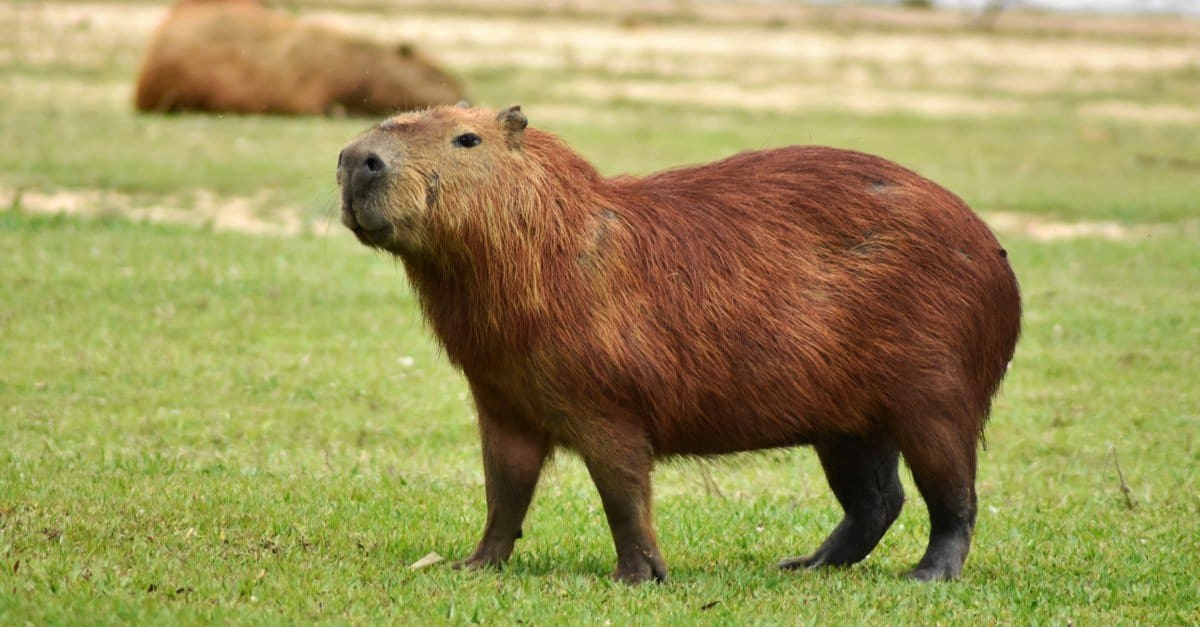
Capybaras are the largest rodents in the world. Native to South America, they live near water and travel in groups. Adult capybaras can weigh between 35–66 kg (77–145 lbs) and reach up to 60 cm (2 ft) tall at the shoulder.
Capybaras are semi-aquatic, which means they spend a lot of time in water. Their webbed feet help them swim, and they often escape danger by diving below the surface. These animals are social, gentle, and rarely aggressive.
Legal Considerations
Before you decide to get a capybara, you must check your local laws. In some countries or states, capybaras are illegal to own without a special permit. For example, in California and Georgia, keeping a capybara is not allowed, while in Texas and Florida, it is possible with a license.
If you ignore these rules, you may face fines or have your pet taken away. Always contact your local animal control or wildlife department first.
:strip_icc()/GettyImages-590084935-57fc0b545f9b586c35c9daae.jpg)
Credit: www.thesprucepets.com
Capybara Care Requirements
Capybaras are not like dogs or cats. Their needs are unique and require careful planning.
Space And Housing
Capybaras need a lot of space. A small apartment is not enough. They need a large, secure outdoor area to walk, run, and graze. The enclosure should be at least 100 square meters (about 1,000 square feet) for a pair.
Capybaras are natural swimmers. You must provide a pool deep enough for them to submerge (at least 1 meter deep). Without water, they can become stressed or sick.
Social Needs
Capybaras are herd animals. They live in groups in the wild and can become depressed if kept alone. Most experts recommend keeping at least two capybaras together.
If you plan to have just one, you must spend many hours each day with your pet. Even then, human attention is often not enough.
Diet
Capybaras eat mostly grasses and aquatic plants. They need a high-fiber diet to stay healthy. You can feed them:
- Fresh grass or hay (like Timothy or Bermuda)
- Leafy greens (lettuce, dandelion, carrot tops)
- Special guinea pig pellets (without added sugar)
Capybaras also need vitamin C. Without it, they can get sick, just like guinea pigs. Fresh fruits can be given as treats, but too much sugar is harmful.
Veterinary Care
Finding a vet for exotic pets can be hard. Not all animal doctors know how to treat capybaras. You should find a specialist before getting your pet.
Capybaras can suffer from skin infections, dental problems, and parasites. Regular check-ups are necessary.
Cost Of Owning A Capybara
Having a capybara is expensive. Here is a breakdown of common costs:
| Item | Estimated Cost (USD) | Frequency |
|---|---|---|
| Capybara purchase | 1,000–3,000 | One time |
| Outdoor enclosure & pool | 2,000–5,000 | One time |
| Food and hay | 50–100 | Monthly |
| Vet care | 200–400 | Yearly |
| Other supplies (bedding, toys) | 100–200 | Yearly |
Unexpected costs can happen if your capybara gets sick or damages property. Always have extra money saved for emergencies.
Capybara Vs. Other Pets
How does a capybara compare with more common pets? Here’s a simple comparison:
| Pet | Social Needs | Space Needed | Special Diet | Legal Issues |
|---|---|---|---|---|
| Capybara | Very high | Very large | Yes | Sometimes |
| Dog | High | Medium | No | Rarely |
| Cat | Low to medium | Small | No | No |
| Guinea pig | High | Small | Yes | No |
You can see that capybaras need much more time, space, and attention.
Potential Problems And Challenges
Many people believe that capybaras are always calm and friendly. But there are some important problems to think about:
- Destructive behavior: Capybaras chew on wood, wires, and plants. They may destroy furniture or garden items.
- Strong odor: Their waste can smell strong, especially if they live indoors.
- Escape risk: Capybaras are clever and can open simple gates or dig under fences.
- Noise: They make barking and whistling sounds, especially when lonely.
- Zoonotic diseases: Capybaras can carry diseases that affect humans and other pets.
An insight many beginners miss: capybaras are prey animals. They may panic easily, especially with loud noises, sudden movements, or new situations. This can lead to injuries or escape attempts.
Credit: a-z-animals.com
The Best Environment For A Capybara
If you want your capybara to be happy, you need to recreate its natural environment as much as possible.
- Large, grassy yard: Allows grazing and exercise.
- Pond or pool: For swimming and cooling off.
- Shelter: To protect from sun, rain, and cold.
- Safe fencing: At least 1.5 meters high, with a strong base to prevent digging.
Capybaras do best in warm, humid climates. If you live somewhere cold, you must provide heating in winter.
Is A Capybara Right For You?
Owning a capybara is not for everyone. You must have:
- Enough outdoor space and resources
- Time to care for social and physical needs
- Access to a knowledgeable vet
- Legal permission where you live
Most people are better off enjoying capybaras in a zoo or wildlife park. They are fascinating animals, but they do not fit into a typical home.
If you are still interested, read more from reliable sources like the Wikipedia Capybara Page.

Credit: www.youtube.com
Frequently Asked Questions
Can Capybaras Live Indoors?
Capybaras are not suited for indoor living. They need space to move, graze, and swim. An indoor environment can make them stressed and unhealthy.
Are Capybaras Aggressive?
Capybaras are usually gentle but can bite if scared or threatened. They need slow introductions to new people and pets.
How Long Do Capybaras Live As Pets?
With proper care, capybaras can live 8 to 12 years. Good diet, veterinary care, and a suitable environment are important for a long life.
Can Capybaras Be House-trained?
Capybaras can learn to use a specific area for waste, but accidents still happen. They are not as easy to train as dogs.
Do Capybaras Get Along With Other Pets?
Capybaras can get along with calm pets like dogs or cats, but introductions must be done carefully. Never leave them alone with aggressive animals.
Welcoming a capybara into your life means big changes. If you are prepared for the challenge, you can provide a special home for one of nature’s most unique creatures. If not, you can still admire these gentle giants from afar.


