

Capybaras are famous for their friendly faces and calm personalities. These giant rodents have become internet stars, often shown relaxing with other animals and humans. Many people wonder: can we have a capybara as a pet? The answer depends on many things, like the law, the animal’s needs, and your own lifestyle. Before you try to bring a capybara home, it’s important to know exactly what’s involved. Their care is not the same as looking after a cat, dog, or even a rabbit. Let’s take a closer look at what it really takes to keep a capybara as a pet.
Capybara Basics: What Makes Them Unique
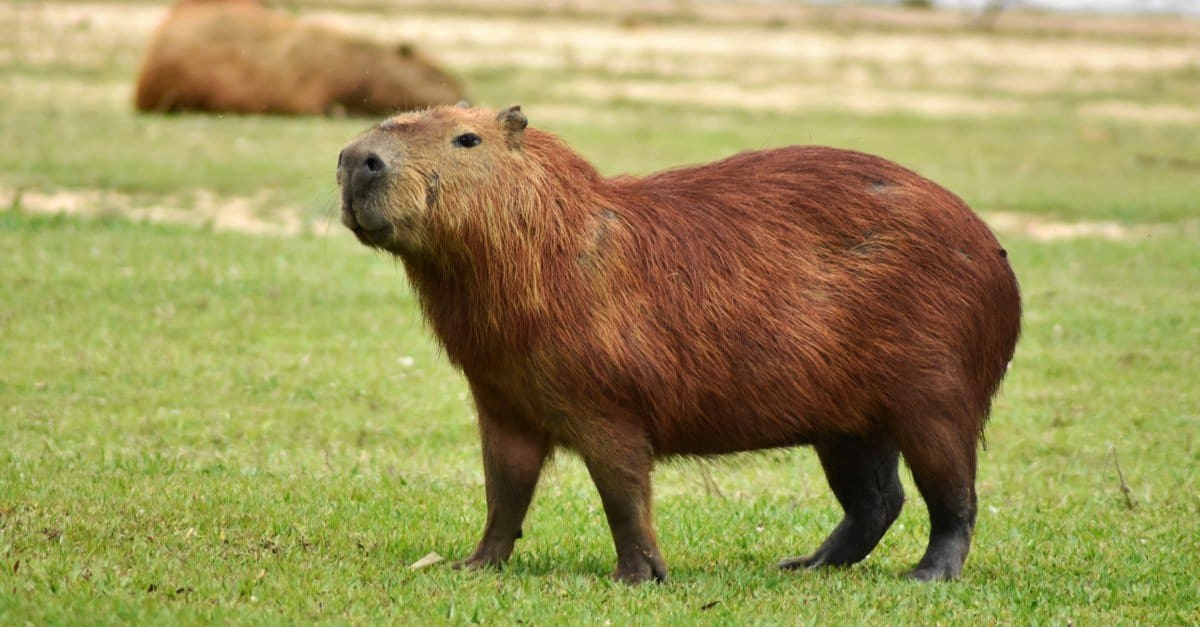
Capybaras are the world’s largest rodents, native to South America. Adults can weigh between 35 and 66 kilograms (77 to 146 pounds) and can grow up to 1.3 meters (4.3 feet) long. They love water and spend much of their time swimming or relaxing near ponds and rivers.
Their social nature is another important trait. In the wild, capybaras live in groups of 10–20 animals. They communicate using whistles, clicks, and purrs. If kept alone, capybaras can become lonely or stressed. They are also herbivores, eating grasses, aquatic plants, and fruits.
Is It Legal To Own A Capybara?
The first step is to check the law in your area. Capybara ownership rules change depending on where you live.
| Country/State | Capybara Legal? | Special Permit Needed? |
|---|---|---|
| United States (varies by state) | Sometimes | Often |
| Canada | Rarely | Yes |
| UK | No (except for zoos) | N/A |
| Australia | No | N/A |
| Brazil | Yes | Yes |
In the US, for example, states like Texas and Pennsylvania allow capybaras with permits, but California and Georgia ban them. Always check local and national laws before even thinking about adoption.

Credit: www.thedunhamfarm.com
Home Requirements For Capybaras
Capybaras need much more space and care than most pets. Here’s what you must provide:
- Large outdoor area: Capybaras need room to graze and explore. A small backyard is not enough. Think of a space at least 100 square meters (1,000 square feet) for a pair.
- Water source: They are semi-aquatic. A pond or a pool is not optional—it’s essential. The water should be deep enough for them to swim and wide enough for both animals if you have two.
- Shelter: Capybaras need shelter from sun, wind, and rain. They do not tolerate extreme cold or heat well.
- Strong fencing: These animals can chew through weak fences and squeeze through small gaps. The fence should be sturdy, at least 1.5 meters (5 feet) high, and buried into the ground.
Even with the best setup, you must also plan for regular cleaning. Capybaras can be messy, especially around water.
Diet And Health Needs
Capybaras have special dietary needs. They eat mostly grasses, hay, and aquatic plants. You can supplement their diet with vegetables, but avoid sugary fruits. Their digestive system needs a lot of fiber.
| Food Type | How Often | Why It Matters |
|---|---|---|
| Fresh grass/hay | Daily | Main food, helps digestion |
| Vegetables (carrots, squash) | Several times/week | Vitamins, variety |
| Pellets (rodent or guinea pig) | Sometimes | Extra nutrients |
| Fruit (small amounts) | Rarely | Too much sugar is bad |
Capybaras are prone to dental problems if they don’t chew enough fiber. Also, they need regular vet checkups from someone who understands exotic animals. Finding an exotic animal vet nearby can be harder than you think.
Social And Behavioral Needs
Capybaras are not solitary pets. They crave companionship, ideally from another capybara. If kept alone, they may develop depression or stress behaviors like chewing on fences or pacing.
Some owners try to keep them with guinea pigs, rabbits, or dogs. While capybaras are gentle, they bond best with their own kind. Even with another animal friend, your capybara may still feel lonely.
Unlike dogs, they rarely enjoy being picked up or carried. They may allow gentle petting, but only after building trust. Patience is key.
Challenges And Common Problems
Caring for a capybara is not simple. Here are common issues new owners face:
- High cost: Buying a capybara can cost $1,000–$3,000. Fencing, pond, shelter, and vet bills add much more.
- Zoning problems: Some neighborhoods ban exotic pets, even if your state allows them.
- Noise and smell: Capybaras are not quiet. They bark, whistle, and may leave droppings in water.
- Escape risk: They are strong and clever. A weak fence can mean a lost pet and angry neighbors.
- Long lifespan: They can live 8–12 years, which is a big commitment.
One non-obvious challenge is their sensitivity to stress. Loud noises, sudden changes, or lonely periods can cause them to stop eating or become sick. Another is their need for enrichment. Without things to chew, explore, and play with, capybaras become bored and destructive.
:strip_icc()/GettyImages-590084935-57fc0b545f9b586c35c9daae.jpg)
Credit: www.thesprucepets.com
Daily Life With A Capybara
A typical day starts with feeding and checking the animal’s health. You’ll need to clean their pool or pond regularly, remove old food, and refill fresh water. Expect to spend at least 1–2 hours per day on care.
Capybaras enjoy sunbathing and swimming. They also need shade and shelter to avoid overheating. During cold weather, you may need to bring them indoors or provide heat lamps.
Bonding with your capybara takes time. Sitting quietly, offering treats, and gentle talking help build trust. Never force interaction, and always respect their space.
Is A Capybara The Right Pet For You?
A capybara is not an easy pet. They are best for people with:
- Enough outdoor space and water
- Time for daily care and attention
- Access to an exotic animal vet
- Patience for building trust
- Legal permission in their area
If you can’t provide these things, it’s better to admire capybaras from afar. They are happiest in large, natural settings with friends of their own kind.
If you want to learn more about wild capybara behavior, the Wikipedia page on capybaras is a great resource.
Credit: a-z-animals.com
Frequently Asked Questions
Are Capybaras Dangerous To Humans?
Capybaras are not usually dangerous. They are gentle and friendly, but they have large teeth and can bite if scared or threatened. Respect their space, especially during feeding or when they are resting.
How Much Does It Cost To Keep A Capybara?
Initial costs can be $1,000–$3,000 for the animal, plus $2,000–$5,000 for proper fencing and a pond. Ongoing expenses include food, vet visits, and cleaning supplies. In total, expect to spend several thousand dollars each year.
Can Capybaras Live Indoors?
Capybaras are not suited for indoor life. Their size, need for water, and grazing habits make them better for outdoor settings. Bringing them indoors for short times is okay, but not as a full-time home.
Do Capybaras Get Along With Other Pets?
Sometimes. Capybaras are calm and may accept dogs or cats, but accidents can happen. They bond best with other capybaras. Never leave them alone with unfamiliar animals.
What’s The Best Way To Bond With A Capybara?
Spend time near them without forcing touch. Offer favorite foods, talk softly, and move slowly. Building trust can take weeks or months, but patience leads to a happy relationship.
Owning a capybara is a big responsibility. If you have the space, patience, and resources, it can be rewarding. For most people, though, it’s better to enjoy these gentle giants from a distance, knowing they are happiest in the company of their own kind, in an environment that matches their natural needs.


