

Many people dream of having a unique animal as a companion, and capybaras are quickly gaining attention. These gentle giants are the world’s largest rodents, famous for their social nature and friendly attitude. But is it possible—or wise—to keep a capybara as a pet?
The answer is more complex than a simple yes or no. Here’s everything you need to know before deciding if a capybara could become your next family member.
What Makes Capybaras Unique?
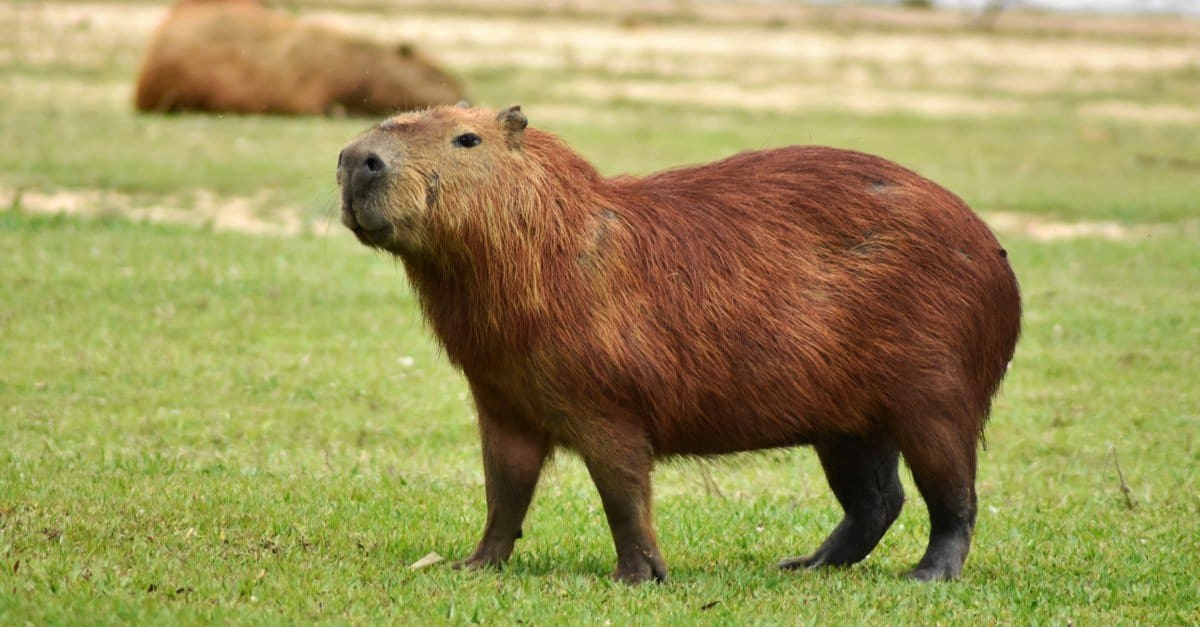
Capybaras come from South America, where they live in groups near rivers and ponds. They can weigh between 77–150 pounds and reach up to 2 feet tall at the shoulder. Their calm behavior and friendly attitude make them popular on social media, but their care needs are far from simple.
Unlike dogs or cats, capybaras are semi-aquatic. This means they spend much of their time in water. They have webbed feet and need to swim daily to stay healthy and happy. Missing this key fact is a common mistake among new owners.
Is It Legal To Own A Capybara?
The first step before considering a capybara is to check your local laws. In some places, owning exotic animals like capybaras is strictly controlled—or completely banned. In the United States, for example, laws vary by state and even by city. States like Texas and Pennsylvania allow capybaras with special permits, while others like California ban them entirely.
Here’s a quick look at how capybara ownership laws can differ:
| Location | Legal Status | Permit Required? |
|---|---|---|
| Texas | Allowed | Yes |
| California | Not Allowed | N/A |
| Florida | Allowed | Yes |
| New York City | Not Allowed | N/A |
Don’t skip this step. Owning a capybara without the right paperwork can lead to fines or losing your pet. Always check with your local animal control office.
:strip_icc()/pet-capybaras-giant-guinea-pigs-4101211_final-3d2a80c658db4ef990be09b2cfa6a0fd.png)
Credit: www.thesprucepets.com
What Do Capybaras Need To Live Well?
Keeping a capybara happy and healthy is a big responsibility. These animals have unique needs that many homes cannot meet.
Space And Environment
Capybaras need a lot of space. A regular backyard is rarely enough. They require:
- Large, secure outdoor area (at least 400 square feet for two animals)
- Swimming pool or pond for daily water access
- Strong fencing, as capybaras can chew through wood or weak barriers
A capybara kept indoors or in a small space can become stressed or sick. They are not suited to apartment living.
Social Needs
Capybaras are extremely social. In the wild, they live in groups of 10–20. A single capybara is likely to become lonely and develop behavioral issues. It’s best to have at least two capybaras together.
Some owners think they can be friends with other pets, like dogs or cats. While this is sometimes true, capybaras need the company of their own kind. Human attention is not enough.
Diet And Health
Capybaras eat mainly grasses, hay, and fresh vegetables. They need a high-fiber diet and constant access to clean water. Their teeth grow continuously, so chewing tough foods is important.
Here’s a comparison of a typical capybara diet vs. a guinea pig diet:
| Food Type | Capybara | Guinea Pig |
|---|---|---|
| Hay | Required Daily | Required Daily |
| Fresh Grass | Preferred | Optional |
| Pellets | Occasional | Frequent |
| Vegetables | Regularly | Regularly |
Capybaras also need regular veterinary care from an exotic animal specialist. Common problems include dental issues, skin infections, and vitamin imbalances. Not all vets can treat capybaras, so check before you buy.
How Much Does It Cost To Own A Capybara?
Buying a capybara is just the beginning. The real expenses come from caring for them properly.
| Expense | Estimated Cost (USD) |
|---|---|
| Purchase Price | $1,000–$3,000 |
| Habitat Setup | $2,000–$5,000 |
| Annual Food | $500–$1,000 |
| Vet Care | $300–$800/year |
| Permits/Insurance | Varies by location |
These numbers don’t include repairs, emergencies, or travel costs. Capybaras can live 8–12 years, so the total investment is significant.
Common Challenges Of Capybara Ownership
Capybaras might look like easy pets, but many owners face serious problems:
- Destruction: Capybaras chew almost everything, including furniture, plants, and wires.
- Noise and Smell: They vocalize with barks, whistles, and purrs. Their droppings and scent glands can be strong.
- Escape Artists: Capybaras are smart and curious. Weak fences are no match for them.
- Zoonotic Risks: Like other rodents, capybaras can carry diseases that affect humans, such as leptospirosis.
New owners often underestimate these issues. It’s important to plan for them—not just hope for the best.
Where Can You Buy A Capybara?
If you decide to go ahead, buying a capybara can be difficult. Most are sold by licensed exotic animal breeders or specialized rescue centers. Never buy from unlicensed sellers or online ads, as this can be illegal and risky for the animal’s health.
Ask the breeder for health records, vaccination status, and proof of legal ownership. Visit the facility if possible to check living conditions.
For more details about capybaras and their care, you can visit the Wikipedia Capybara page.

Credit: www.pbspettravel.co.uk
Should You Get A Capybara As A Pet?
Capybaras are fascinating and affectionate, but they are not for everyone. If you have the space, budget, time, and proper legal permissions, they can be rewarding companions. But they demand far more attention and resources than most traditional pets.
Two key insights: First, many people don’t realize how much daily water access capybaras need. Second, their need for social connection is much deeper than most animals—being alone causes them real distress.
Think carefully, speak to experienced owners, and consult with an exotic animal vet before making your decision.
Frequently Asked Questions
Can Capybaras Live Indoors?
Capybaras are not suited to indoor living. They need space, natural grass, and water access. Keeping them inside can cause stress and health issues.
Are Capybaras Friendly With Children And Other Pets?
Capybaras are generally gentle, but their size and strength can be overwhelming for small children. They may get along with other pets, but supervision is essential.
How Much Time Do Capybaras Need Outside Each Day?
They need several hours outdoors daily, with swimming time in a pool or pond. Without this, they can become unhealthy and unhappy.
Do Capybaras Need To Be Adopted In Pairs?
It’s highly recommended. Capybaras are social herd animals. A single capybara is at risk for depression and behavioral problems.
What Do Capybaras Eat Daily?
They eat mainly grasses and hay, with fresh vegetables as a supplement. Avoid feeding them processed foods or sugary treats.
Owning a capybara is a major commitment. If you can provide the right care and environment, they can become loyal, fascinating companions. For most people, though, admiring them in a sanctuary or online is the better choice.
Credit: a-z-animals.com


