

If you’ve seen a capybara on social media, you might have wondered: “Can you buy capybaras?” These giant rodents, with their calm faces and friendly habits, are becoming internet stars. But the question of owning one is more complicated than it looks. From laws to care needs, there’s a lot to understand before you even think about getting a capybara.
What Is A Capybara?
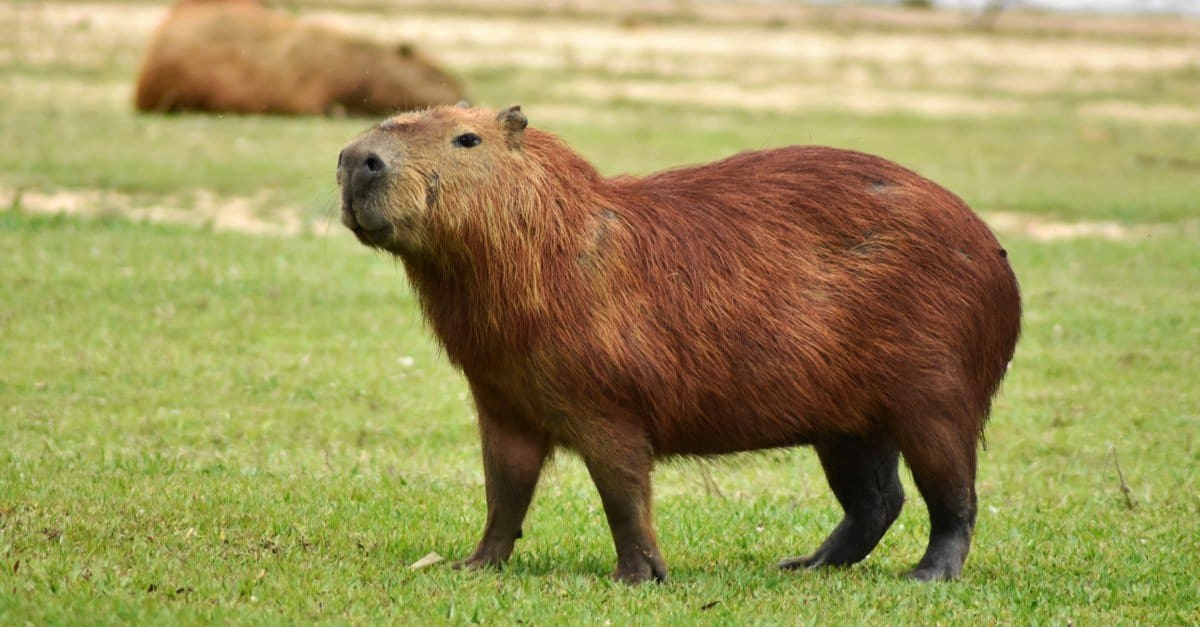
Capybaras are the largest rodents in the world. Native to South America, they live in groups near water, like rivers or wetlands. Adults can weigh 35–66 kg (77–146 lbs) and stand about 60 cm (2 feet) tall at the shoulder. Their gentle nature makes them popular in zoos and animal parks.
Capybaras are herbivores and need a diet rich in grasses. They are social animals and rarely live alone in the wild. This has important effects for anyone thinking of keeping one as a pet.
Is It Legal To Buy Capybaras?
The answer depends on where you live. Capybaras are not legal everywhere, and the rules can change by country, state, or city. Here are some examples:
| Country/State | Legal Status | Permit Required? |
|---|---|---|
| United States (varies by state) | Some allow, some ban | Often required |
| Canada | Rarely allowed | Usually required |
| United Kingdom | Allowed with license | Yes |
| Australia | Illegal to own | Not possible |
In the United States, some states like Texas and Pennsylvania allow capybaras with permits. Others, such as California and Georgia, ban them completely. Always check local laws before searching for a capybara. Ignoring this can lead to heavy fines or losing the animal.
:strip_icc()/pet-capybaras-giant-guinea-pigs-4101211_final-3d2a80c658db4ef990be09b2cfa6a0fd.png)
Credit: www.thesprucepets.com
Where Can You Buy Capybaras?
If it is legal in your area, you still need to find a licensed breeder or exotic animal dealer. Capybaras are not sold in pet shops. Responsible breeders will ask about your setup, experience, and plans. This is not just for their business; it protects both you and the animal.
Buying from illegal or unlicensed sellers can cause problems. Capybaras from these sources may be unhealthy or taken from the wild. This can lead to disease or legal trouble.
A capybara is expensive. A baby can cost between $1,000 and $3,000 USD, depending on age, health, and location. This does not include the costs of food, housing, and vet care.
What Do Capybaras Need As Pets?
Before you buy, you need to know what it takes to keep a capybara healthy and happy. Here are the main requirements:
- Space: Capybaras need a large, secure yard. They can be stressed in small areas.
- Swimming Pool: Water is essential. Capybaras spend hours each day swimming or soaking. A pond or big pool is a must.
- Social Companionship: Capybaras are herd animals. Experts strongly advise keeping at least two so they don’t get lonely.
- Diet: They need fresh grass, hay, and special rodent food. Fruits and vegetables are treats, not the main diet.
- Veterinary Care: Exotic vets are needed for capybaras. Not all vets have experience with large rodents.
Here’s a side-by-side look at pet needs:
| Need | Capybara | Dog |
|---|---|---|
| Daily Space | Large yard + pool | Yard or walks |
| Social Needs | Needs other capybaras | Humans or other dogs |
| Vet Availability | Rare, expensive | Common, affordable |
| Diet | Special grasses/hay | Dog food |
Capybaras can live 8–12 years in captivity. They need daily care and attention. Many new owners underestimate just how much time and money is required.

Credit: www.pbspettravel.co.uk
Risks And Challenges Of Owning A Capybara
Owning a capybara is not like owning a rabbit or hamster. There are several challenges:
- Zoning laws: Even if your state allows capybaras, your city or HOA might not.
- Escape risks: Capybaras are smart and can escape from weak fences.
- Aggression: While usually gentle, they can bite if scared or stressed.
- Destruction: They love to chew. Your plants, furniture, and even sprinkler systems are at risk.
- Long-term commitment: Capybaras live over a decade. Many are abandoned when owners can’t keep up.
One insight beginners often miss: Capybaras need daily access to water not just for play, but to prevent dry skin and overheating. Another important detail: Capybaras can carry zoonotic diseases (diseases that pass from animals to humans), so regular vet checks are a must.
Alternatives To Buying A Capybara
If you love capybaras but can’t own one, there are other options:
- Visit them at local zoos or wildlife parks
- Volunteer at exotic animal rescues
- Adopt a sponsorship program for capybaras
These options let you support and enjoy capybaras without the risks and costs of ownership.
For more details on capybara care and laws, see the Wikipedia page on Capybaras.
Credit: a-z-animals.com
Frequently Asked Questions
Can I Keep A Single Capybara As A Pet?
Capybaras are very social. Keeping one alone can cause stress, depression, or health issues. Experts recommend keeping at least two for proper social interaction.
Are Capybaras Dangerous To Humans?
Capybaras are gentle but can bite if frightened or handled roughly. They are not aggressive by nature, but their large teeth can cause harm if provoked.
How Much Does It Cost To Own A Capybara Per Year?
Beyond the purchase price, yearly costs include food, veterinary care, and habitat maintenance. Expect to spend at least $1,000–$2,000 each year, sometimes more if medical needs arise.
Do Capybaras Get Along With Other Pets?
Capybaras can get along with calm dogs, cats, or rabbits, but supervision is needed. They do best with other capybaras and may be stressed by loud or aggressive animals.
Can Capybaras Live Indoors?
Capybaras are not suited for indoor life. They need large outdoor spaces and a swimming area. Keeping them inside can cause health and behavioral problems.
Owning a capybara is a serious and long-term commitment. While their friendly faces and relaxed attitudes are charming, it’s important to know the facts before making a decision. If you’re ready for the challenge, and local laws allow it, a capybara can be a unique and rewarding companion.
If not, there are still many ways to enjoy and support these amazing animals from afar.


