

Can You Eat Capybara During Lent
Every year, Lent brings a special set of rules for many Christians, especially those in the Catholic tradition. The question “Can you eat capybara during Lent? ” surprises many people outside South America. After all, the capybara is not a fish or a traditional seafood.
Yet, in some countries, this semi-aquatic rodent is served on Lenten tables. To understand why, it’s important to look at religious rules, local customs, and even history.
What Are The Dietary Rules During Lent?
Lent is a 40-day period of fasting and reflection before Easter. For many Catholics, meat is not allowed on Fridays during Lent, but fish and other seafood are. The definition of “meat” here is important. Traditionally, meat means the flesh of warm-blooded land animals like cows, pigs, and chickens.
Fish and cold-blooded animals, such as reptiles and amphibians, are usually considered acceptable. The Church’s rules are based on old ideas of what is “meat” and what is not. In most countries, eating fish instead of meat is a sign of penance and sacrifice.
The Surprising Case Of Capybara
The capybara is the world’s largest rodent. It lives in rivers, lakes, and wetlands in South America. Capybaras spend much of their time in water, and their diet is mostly plants.
In the 16th century, Spanish missionaries in Venezuela faced a problem. Local people ate capybara, and they wanted to know if it was allowed during Lent. The question went all the way to the Vatican. The Church decided that, because capybaras live in water and behave like fish, they could be eaten during Lent.
Here’s a simple comparison of capybara with other animals:
| Animal | Habitat | Allowed During Lent? |
|---|---|---|
| Capybara | Water/Land | Yes (in some countries) |
| Beef | Land | No |
| Fish | Water | Yes |
| Chicken | Land | No |
This decision is one of the most famous examples of the Church adapting its rules to local conditions.

Credit: www.reddit.com
Capybara In Venezuelan And South American Cuisine
In Venezuela, eating capybara during Lent is common. The animal is called “chigüire” and is cooked in many ways—stews, smoked dishes, or even dried like fish. Capybara meat is lean, high in protein, and considered a delicacy.
In other countries like Colombia and Brazil, some communities also eat capybara during Lent. However, this practice is rare in most other Catholic countries.
Capybara is not farmed on a large scale, but in Venezuela, there are ranches that raise them legally. This helps protect wild populations and supports local economies.
Here’s a quick look at how capybara compares to other Lenten dishes in Venezuela:
| Dish | Main Ingredient | Typical Lent Use |
|---|---|---|
| Chigüire Guisado | Capybara | Very Common |
| Pabellón Criollo | Beef | Not Allowed |
| Salted Fish Stew | Fish | Very Common |
| Arepas de Queso | Cheese | Allowed |
Why Did The Church Make This Exception?
The main reason for this exception is cultural adaptation. When European missionaries arrived in the Americas, they found foods that were not in Europe. Instead of banning local foods, the Church sometimes created special rules.
The capybara spends so much time in water that many people see it as a fish. In fact, the logic is similar to other famous cases, like the beaver in Quebec. The Church also allowed beaver meat during Lent because beavers are semi-aquatic.
This adaptation helped the Church connect with local people and made it easier for new converts to follow religious rules. It shows how religious traditions can be flexible and responsive to local customs.

Credit: www.mashed.com
Is Eating Capybara Still Allowed Today?
The original Church decision still stands in some regions. In Venezuela, eating capybara during Lent is legal and accepted. However, outside South America, most Catholics have never heard of this exception.
Modern Church authorities rarely discuss capybara specifically. In other places, the general rule is to avoid meat from warm-blooded land animals. If you live outside Venezuela or Colombia, eating capybara during Lent would probably not be part of local tradition.
Capybara is also protected by wildlife laws in many countries. You cannot hunt or eat them everywhere. Always check local laws and Church guidelines before trying unusual foods.
Ethical And Environmental Considerations
Eating capybara is not only a religious question. It also has ethical and environmental sides.
- Conservation: In some areas, wild capybaras are threatened by hunting. Responsible farming and legal controls help protect the species.
- Animal Welfare: Like all animals, capybaras should be raised and killed humanely.
- Cultural Respect: For many South Americans, eating capybara is a tradition. For others, it may feel strange or even wrong.
It’s important to respect both local customs and animal welfare standards.
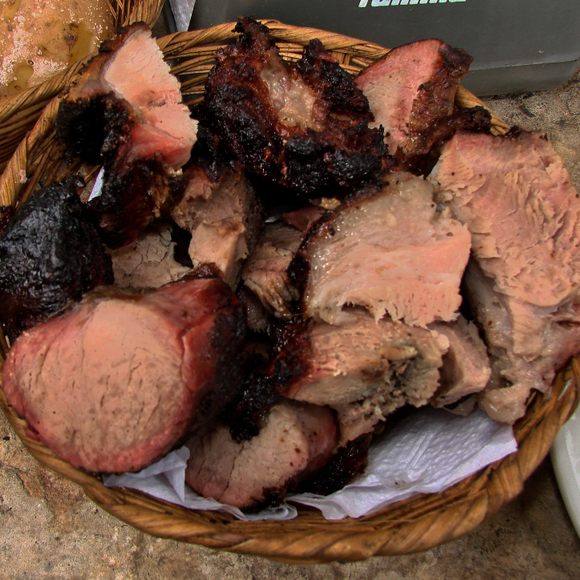
Credit: www.atlasobscura.com
Non-obvious Insights About Capybara And Lent
Many people believe the Church’s rules are universal. In reality, there are many local exceptions like the capybara. Another insight is that food rules often change with new environments. When missionaries arrived in new lands, they had to rethink old traditions.
Also, some people assume all “fish” rules are about biology. But the Church’s decisions are often practical, not scientific. The capybara is not a fish, but it fits the needs of a particular place and time.
Frequently Asked Questions
Why Does The Catholic Church Allow Capybara During Lent In Some Countries?
The Church allowed capybara because it lives in water and has behaviors similar to fish. This made it easier for new converts in South America to follow Lenten rules without giving up local foods.
Is Capybara Meat Healthy?
Yes, capybara meat is lean, high in protein, and low in fat. It’s considered healthier than many red meats. However, it should always come from legal, sustainable sources.
Can I Eat Capybara During Lent If I’m Not In South America?
In most countries, capybara is not considered an acceptable Lenten food. The exception mainly exists in Venezuela and some nearby regions. Always check local Church guidance.
How Is Capybara Traditionally Cooked During Lent?
In Venezuela, capybara is often stewed, smoked, or dried. It can be served with rice, plantains, or in soups. The most popular dish is “chigüire guisado. ”
Are There Other Animals The Church Allows During Lent As “fish”?
Yes, there are a few examples. In Quebec, the beaver is also allowed as a Lenten food. The muskrat in Michigan has a similar exception. These decisions are based on tradition, not science.
For more history on Lent and Church rules, see Wikipedia.
The question of eating capybara during Lent shows how local culture and religious practice often mix. This unique exception is a reminder that tradition can adapt, making faith both personal and practical.


