

Capybaras are famous on the internet for their calm nature and friendly behavior. These giant rodents often appear in viral videos, relaxing with ducks or letting children pet them. But if you live in Florida, you might wonder: Can you have a capybara as a pet in Florida? The answer is not simple. There are important legal, practical, and ethical factors to consider before bringing home the world’s largest rodent.
Are Capybaras Legal Pets In Florida?
Florida has specific rules for exotic pets. The Florida Fish and Wildlife Conservation Commission (FWC) controls which animals you can own. Capybaras are not banned, but they are not seen as regular pets like dogs or cats.
To own a capybara in Florida, you need a Class III wildlife permit. This means you must apply, provide details about your plans, and show you can care for the animal. The FWC checks things like your enclosure, food source, and experience with exotic animals.
What Is A Class Iii Permit?
A Class III permit covers animals that do not usually harm humans but are still wild. Capybaras fall into this group with other rodents and small mammals. The FWC will ask for:
- Proof of a secure enclosure
- Information about your experience with exotic animals
- Details on your plans for food, water, and shelter
Without this permit, keeping a capybara is illegal and can result in fines or removal of the animal.
Capybara Care Needs
Capybaras are not like guinea pigs or hamsters. They need special care and space. Before deciding to get one, you should understand their unique requirements.
Space And Housing
Capybaras grow up to 150 pounds and need a lot of room. They are semi-aquatic, so they must have access to water deep enough to swim. A small backyard pool will not be enough.
| Requirement | Minimum Standard |
|---|---|
| Outdoor Space | At least 400 sq. ft. per capybara |
| Swimming Area | 6 feet wide, 3 feet deep minimum |
| Fence Height | 4 feet with secure base |
Capybaras can jump and dig, so fences must be strong and escape-proof. They also need shelter from the sun and rain.
Diet And Health
A capybara’s diet is mostly fresh grasses, hay, and vegetables. They need access to fresh water at all times. Some owners add vitamin C or special pellets designed for guinea pigs.
Capybaras live 8–12 years. They are social animals and can get lonely. Experts recommend keeping at least two together.
Common health issues include:
- Overgrown teeth
- Skin infections
- Parasites
Finding a vet who can treat capybaras is often difficult and expensive.
Social Needs
Capybaras are herd animals. A single capybara can become stressed or even aggressive if kept alone. In Florida’s hot climate, they also need shade and regular access to cool water.

Credit: www.adoptapet.com
Capybara Vs. Other Exotic Pets
People often compare capybaras to other exotic pets. Here’s how they stack up:
| Animal | Legal Status in Florida | Space Needed | Social Needs |
|---|---|---|---|
| Capybara | Permit Required | High | High |
| Ferret | Legal | Low | Medium |
| Sugar Glider | Legal | Low | High |
| Hedgehog | Legal | Low | Low |
Capybaras require much more space and attention than most small pets. They are also more expensive and harder to care for.
Risks And Challenges
Keeping a capybara in Florida comes with real risks and responsibilities.
Legal Risks
If you do not have the proper permit, you could face fines or even have the animal taken away. Rules can change, so you must stay updated with the FWC.
Zoonotic Diseases
Capybaras can carry diseases that spread to humans or other animals. Good hygiene and regular vet checks are essential.
Neighbor Concerns
A capybara’s size, noise, and water needs can upset neighbors. Some cities or homeowner associations have extra rules about exotic pets.
Environmental Impact
Escaped capybaras can disrupt local wildlife. Florida’s wetlands are fragile, and new species can cause damage if they get loose.
The True Cost Of Capybara Ownership
It is easy to underestimate the cost of caring for a capybara. Here’s a breakdown of typical expenses:
| Item | Estimated Cost |
|---|---|
| Purchase Price | $1,000–$3,000 |
| Permit Fee | $50–$200/year |
| Enclosure & Pool | $2,000–$8,000 (one-time) |
| Food & Supplies | $60–$120/month |
| Veterinary Care | $200–$500/year |
Many beginners miss the hidden costs, such as pool maintenance, emergency vet visits, and repairs to fences. These can add up quickly.
Ethical Considerations
Just because you can legally own a capybara does not mean you should. They are wild animals at heart. Many experts believe capybaras do best in large groups in the wild or at licensed sanctuaries.
Capybaras are not cuddly pets. They may bite if scared or stressed. Owners must respect their boundaries and provide for their natural behaviors.
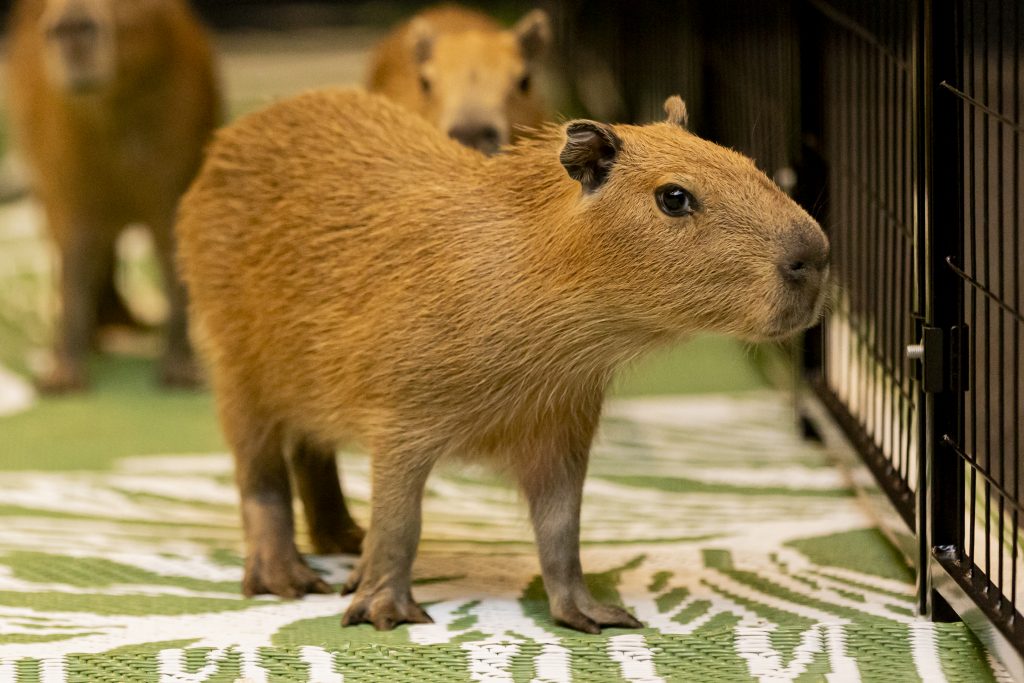
Credit: www.cmaquarium.org
Getting A Permit And Finding A Capybara
If you are ready for the responsibility, the next step is applying for a Class III permit from the FWC. The application asks for your experience, a site plan, and proof of a suitable enclosure.
Never buy a capybara from illegal breeders. Make sure the seller follows all rules and provides healthy, socialized animals.
You can find more information and official guidance at the Florida Fish and Wildlife Conservation Commission website.
Frequently Asked Questions
Can You Own A Capybara As A Pet In Florida?
Yes, but you need a Class III wildlife permit from the Florida Fish and Wildlife Conservation Commission. Without this permit, it is illegal.
How Much Space Does A Capybara Need?
Each capybara needs at least 400 square feet of space and a swimming area. They need secure fencing and shelter from the sun and rain.
Are Capybaras Friendly Pets?
Capybaras are usually gentle, but they are not like dogs. They can become stressed if alone or handled too much. They do best with another capybara for company.
What Do Capybaras Eat?
Capybaras eat grasses, hay, and fresh vegetables. Their diet should be high in fiber, and they need clean water at all times.
Do Capybaras Spread Diseases?
Capybaras can carry diseases such as leptospirosis and parasites. Regular vet visits and good hygiene are important to reduce risks.
Owning a capybara in Florida is possible, but it is a big responsibility. Before making this decision, consider the legal steps, costs, and the animal’s needs. If you can provide a safe, loving home and follow all rules, a capybara can be a unique and rewarding companion.
But for most people, enjoying these gentle giants from a distance may be the best choice.
:strip_icc()/pet-capybaras-giant-guinea-pigs-4101211_final-3d2a80c658db4ef990be09b2cfa6a0fd.png)
Credit: www.thesprucepets.com


