

Have you ever wondered what it would be like to have a pet capybara? These gentle giants are unlike any other animal you might consider bringing into your home.
Their calm nature and unique appearance can make them seem like the perfect pet. But before you get excited, it’s important to know what caring for a capybara really involves. You’ll discover the surprising truths about owning one, the challenges you might face, and whether a capybara could truly fit into your life.
Keep reading—you might be closer to making this unusual pet a part of your world than you think.

Credit: www.youtube.com
Capybara As Pets
Capybaras are unique pets that many find fascinating. These large rodents come from South America and live near water. People keep them for their gentle nature and unusual appearance. They need special care and space. Understanding their traits helps decide if a capybara fits your home.
Characteristics Of Capybaras
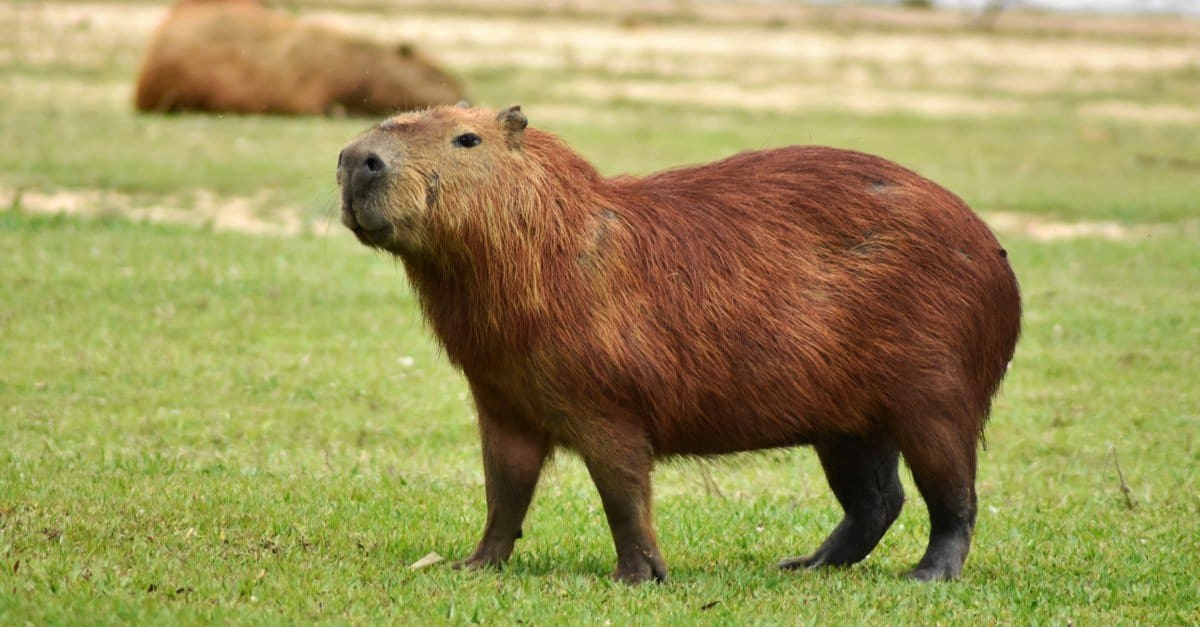
Capybaras are the largest rodents in the world. They have a barrel-shaped body and short legs. Their fur is coarse and brownish. They have webbed feet, which help them swim well. Capybaras love water and spend much time in it. Their teeth grow constantly, so they need to chew a lot.
Behavior And Temperament
Capybaras are social and calm animals. They enjoy being with others, including humans and other pets. They communicate with sounds like purrs and whistles. Capybaras can be shy but often become friendly. They need gentle handling and patience. They do best in groups or pairs.
Lifespan And Size
Capybaras live around 8 to 10 years in captivity. They grow large, weighing up to 140 pounds. Adults can reach 4 feet in length. They need plenty of space to move and swim. Their size means they are not suitable for small homes or apartments.
Legal Restrictions
Owning a pet capybara is not as simple as it sounds. Many places have strict laws about exotic pets. These rules protect both animals and people. Understanding legal restrictions is important before getting a capybara.
Country-specific Rules
Different countries have different laws about capybaras. Some allow them as pets with few limits. Others ban owning them completely. These rules depend on local wildlife protection and health concerns. Always check your country’s laws first.
State And Local Regulations
Within countries, states and cities may have their own rules. Some states require special permits. Others may not allow capybaras at all. Local rules can affect where you live and keep your pet. It is important to research these laws carefully.
Permits And Licensing
Many places ask for permits to own a capybara. These permits ensure you meet safety and care standards. You may need to show proper housing and care plans. Licensing helps keep capybaras safe and healthy in homes.
Housing Needs
Capybaras need special housing to stay healthy and happy. Their home must match their size and habits. Proper housing keeps them safe and comfortable every day.
Space Requirements
Capybaras are large rodents. They need a lot of space to move around. A small cage will not work. They need room to walk, run, and explore freely. At least 100 square feet is best for one capybara. More space helps them stay active and reduce stress.
Outdoor Vs Indoor Setup
Outdoor setups suit capybaras well. They enjoy fresh air and sunlight. A secure outdoor area with shade is ideal. Indoor housing works only if space is large and safe. Indoors, capybaras need soft floors to avoid injuries. Both setups must protect from predators and harsh weather.
Water Features And Enclosure Design
Water is vital for capybaras. They love swimming and soaking. A pond or pool inside the enclosure is necessary. The water should be clean and easy to access. Enclosures need fencing that keeps capybaras safe but lets light in. Natural plants and soft ground create a comfortable environment.
Diet And Nutrition
Proper diet and nutrition are key to keeping a pet capybara healthy. Capybaras need a balanced diet that mimics their natural eating habits in the wild. Their digestive system is designed to process large amounts of fibrous plants. Feeding them the right foods supports their digestion and overall well-being.
Recommended Foods
Fresh grasses and hay make up the main part of a capybara’s diet. Timothy hay and oat hay are good choices. They also enjoy leafy greens like romaine lettuce and spinach. Small amounts of fruits such as apples or melons can be treats. Avoid feeding too many sugary or processed foods.
Supplements
Calcium supplements may be necessary to keep their bones strong. Vitamin D helps with calcium absorption and can come from sunlight. Some owners add a small amount of pellet food made for guinea pigs. Always check with a vet before adding supplements to their diet.
Feeding Schedule
Capybaras should eat several times a day. Provide fresh hay and greens throughout the day. Fruits should be given only once or twice a week. Make sure fresh water is available at all times. Consistent feeding times help maintain their digestive health.
Health Care
Taking care of a pet capybara means paying close attention to its health. These animals need regular care to stay happy and strong. Understanding their health needs helps prevent serious problems. A well-cared-for capybara lives longer and enjoys life more.
Common Diseases
Capybaras can get some common illnesses. They often face skin infections from wet environments. Respiratory problems may occur if their living space is not clean. Parasites like ticks and worms can also affect their health. Watch for signs like lethargy, loss of appetite, or unusual behavior.
Veterinary Care
Regular visits to a vet are important for capybaras. Find a vet experienced with exotic animals. They can check for diseases and give vaccines. Early treatment can stop many health issues. Keep a health record for your pet to track treatments and visits.
Preventive Measures
Good hygiene helps prevent many illnesses. Clean the living area daily and provide fresh water. A balanced diet strengthens the immune system. Avoid sudden changes in diet or environment. Quarantine new animals before introducing them to avoid spreading disease.
Socialization And Interaction
Capybaras are social animals that need regular interaction. Their well-being depends on bonding and social contact. Understanding how to socialize and interact with a pet capybara is vital for happy, healthy life.
Bonding With Owners
Bonding with a capybara takes time and patience. They respond well to calm voices and gentle touches. Spend quiet moments near them daily. This builds trust and friendship. Use soft tones and slow movements to avoid stress.
Capybara Social Needs
Capybaras are herd animals and love company. They feel lonely without friends or family. Keeping more than one capybara is best for their happiness. They enjoy playing and resting together. Social needs include both humans and other animals.
Handling And Training
Capybaras can learn simple commands and routines. Use treats and praise for good behavior. Handle them gently to avoid fear or injury. Start training early to build positive habits. Consistent care and patience improve their response to training.
Cost Of Ownership
Owning a pet capybara requires careful thought about costs. These large rodents need special care and space. Understanding the cost of ownership helps prepare you for a happy, healthy pet. Expenses go beyond just buying the animal. They include daily care, equipment, and unexpected needs.
Initial Investment
Buying a capybara can cost several hundred to over a thousand dollars. You also need a large enclosure with water access. Setting up a safe, comfortable habitat can be costly. Fencing, shelter, and water features add to the price. Initial veterinary checks and vaccinations are necessary too.
Ongoing Expenses
Capybaras eat mostly fresh vegetables and grass. Providing a proper diet every day takes money. Clean water and regular habitat cleaning are essential. Routine vet visits help keep your pet healthy. Grooming and social interaction require your time and effort.
Unexpected Costs
Capybaras can get sick or injured like other pets. Emergency vet bills can be expensive. Sometimes, habitat repairs are needed after damage. Behavioral training or extra care may increase costs. Planning for these surprises saves stress and money.
Credit: a-z-animals.com
Ethical And Environmental Considerations
Owning a pet capybara raises important ethical and environmental questions. These animals belong to the wild and have specific needs. Understanding these concerns helps protect both the capybaras and their natural habitats.
Impact On Wildlife
Taking capybaras from the wild can harm local ecosystems. It reduces their population and affects other animals. Wild capybaras play a key role in their environment. Removing them disrupts food chains and plant growth. Capturing wild animals also causes stress and suffering.
Responsible Ownership
Capybaras need special care and space to thrive. They require large outdoor areas and access to water. Owners must provide a proper diet and social interaction. Without this, capybaras can become lonely or sick. Responsible ownership means understanding these needs fully.
Alternatives To Pet Capybaras
Consider adopting animals that are easier to care for. Rabbits or guinea pigs can be good pets for many homes. Visiting wildlife sanctuaries supports capybaras without taking them from nature. Learning about capybaras through documentaries or books also helps.

Credit: www.awsfzoo.com
How Capybara World Can Help You with Can You Have a Pet Capybara
Learning Through the Capybara Experience
Thinking about welcoming a capybara as a pet opens a door not just to companionship but also to practical learning. Understanding their unique housing needs—like access to water for swimming and ample space to roam—teaches valuable lessons about animal welfare and habitat requirements. Delving into their diet and nutrition offers insights into balanced feeding practices and the importance of native plants in their diet, connecting us to broader ecological concepts.
At Capybara World, with guidance from experts like Marina Velasco and Dr. Luis Herrera, we emphasize that caring for these gentle giants involves more than just affection; it’s about respecting their natural behaviors and social structures. If you’re exploring this path, consider reaching out to hello@capybara-world.com for thoughtful advice and resources that make the journey both educational and rewarding.
Frequently Asked Questions
Can You Legally Own A Pet Capybara?
Laws vary by location; some places allow pet capybaras with permits. Always check local regulations before acquiring one. Proper licensing ensures legal ownership and animal welfare.
What Do Capybaras Eat As Pets?
Pet capybaras eat grasses, vegetables, and fruits. A balanced diet includes fresh hay and leafy greens. Avoid processed foods and provide constant access to clean water.
How Much Space Does A Pet Capybara Need?
Capybaras require large, secure outdoor areas with water access. They need space to swim, graze, and exercise daily. Small cages or indoor spaces are unsuitable for their needs.
Are Capybaras Friendly And Easy To Train?
Capybaras are social, gentle, and can bond with humans. They respond well to consistent training using positive reinforcement. Early socialization improves their behavior and adaptability.
Conclusion
Owning a pet capybara takes time and care. They need space to swim and roam freely. These animals enjoy social groups and gentle handling. Make sure you can meet their needs daily. Capybaras can be friendly but need patience. Think carefully before bringing one home.
A happy capybara means a happy owner too. Choose wisely to enjoy this unique pet experience.


