

Have you ever thought about having a capybara as a pet? These gentle, social creatures are the largest rodents in the world, and their calm nature makes them surprisingly appealing.
But before you get too excited, you need to know if keeping a capybara in Florida is even possible. You might be wondering about the legal rules, care needs, and what life would really be like with one of these unique animals at home.
Keep reading, because we’ll break down everything you need to know to decide if a capybara could be the perfect pet for you.

Credit: www.adoptapet.com
Capybara Basics
Capybaras are unique creatures that attract attention due to their size and calm nature. Understanding their basics helps anyone interested in these animals. Knowing their traits, behavior, and habitat is important before considering them as pets.
Physical Traits
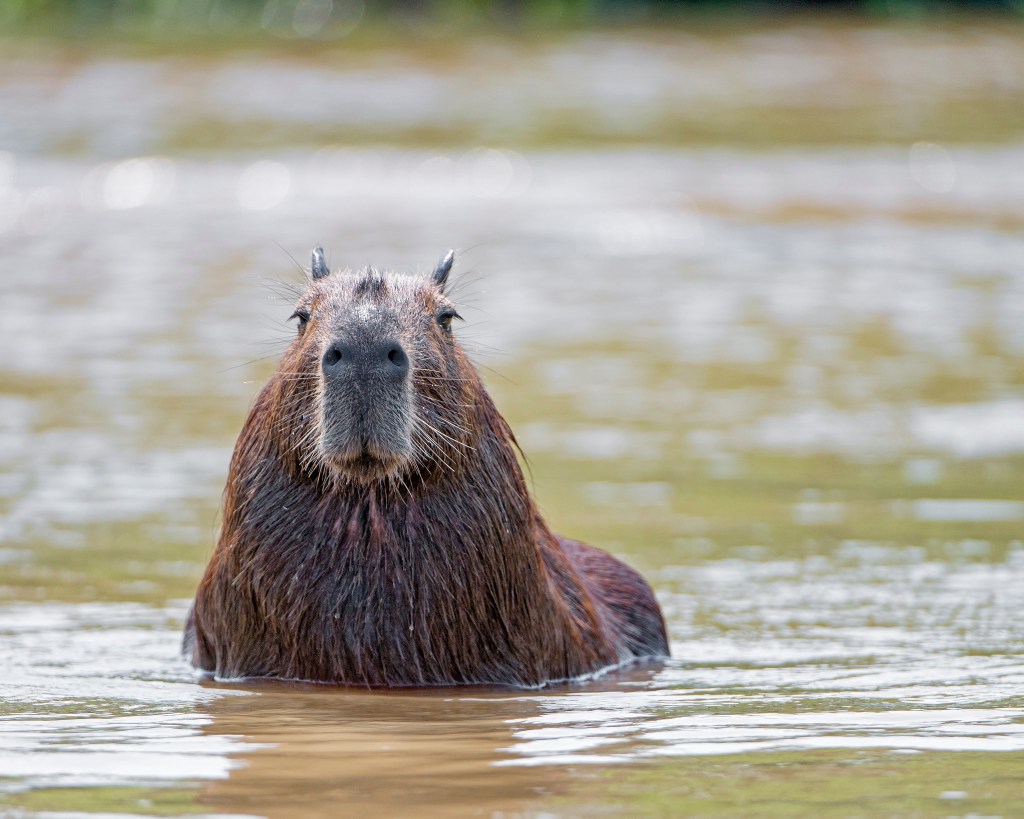
Capybaras are the largest rodents in the world. They weigh between 77 and 146 pounds. Their bodies are barrel-shaped with short legs. Their fur is coarse and brownish. They have webbed feet, which make them excellent swimmers. Their eyes, ears, and nostrils sit high on their heads. This helps them stay alert while swimming.
Behavior And Temperament
Capybaras are social animals. They live in groups and enjoy company. They are gentle and rarely show aggression. These rodents communicate with whistles, barks, and purrs. They are mostly active during the day. Capybaras need space to roam and water to swim. They are calm but can get stressed without proper care.
Natural Habitat
Capybaras come from South America. They thrive near rivers, lakes, and swamps. Their habitat is warm and humid. Water is essential for their survival. They feed on grasses and aquatic plants. Their natural environment provides safety and food. Replicating this habitat is key when caring for them.

Credit: www.gatorland.com
Legal Rules In Florida
Keeping capybaras as pets in Florida requires knowing the legal rules. These rules protect both the animals and people. Understanding them helps avoid fines or legal problems. Let’s explore the main laws about capybaras in Florida.
State Regulations
The Florida Fish and Wildlife Conservation Commission (FWC) controls exotic pet ownership. Capybaras are listed as exotic animals under state law. Owning one needs a special permit from the FWC. The permit ensures the animal is cared for safely and humanely. Without this permit, owning a capybara is illegal.
Local Laws And Permits
Counties and cities in Florida may have their own rules. These can be stricter than state laws. Some places ban exotic pets entirely. Others require additional permits or inspections. Checking local laws before getting a capybara is very important. This prevents surprises and keeps you within the law.
Import And Ownership Restrictions
Bringing capybaras into Florida requires following import rules. The animals must meet health and quarantine standards. Import permits may be needed before arrival. Ownership limits may restrict the number of capybaras per person. Breeding or selling capybaras could need extra permissions. Always confirm these rules with authorities before acquiring a capybara.
Housing Needs
Capybaras need special housing to stay happy and healthy. Their homes must match their natural lifestyle. Space, safety, and comfort are very important. Understanding their housing needs helps you give the best care.
These animals love to move and explore. Their environment must offer room to walk, run, and relax. Water is also a big part of their life. Meeting these needs keeps capybaras calm and content.
Space Requirements
Capybaras need plenty of space to roam. A small pen will not work. They require at least 500 square feet for one capybara. More space is better if you have multiple pets. This area lets them move freely and stretch their legs.
Fencing must be strong and tall. Capybaras are good jumpers and diggers. Secure fencing keeps them safe and stops escapes. The area should also have shaded spots to protect from sun.
Outdoor Vs Indoor Setup
Outdoor housing is best for capybaras in Florida. Warm weather suits their needs well. Outdoors, they get fresh air and natural sunlight. These factors improve their mood and health.
Indoor setups need a large space with good ventilation. Flooring should be easy to clean and non-slip. Keep indoors only if outdoor space is not an option. Always provide access to outdoor time for exercise.
Water Features
Capybaras love water and spend much time swimming. A pond or large water trough is a must. Water should be clean and changed often. It helps keep their skin healthy and cools them down.
The water area must be shallow enough to enter safely. A gentle slope helps capybaras get in and out easily. Water features also give them a natural place to relax and play.
Diet And Nutrition
Capybaras need a special diet to stay healthy and happy. Their eating habits in Florida must match their natural needs. Proper nutrition supports their growth and energy. It also keeps their teeth strong. Careful feeding helps avoid health problems common in pets.
Preferred Foods
Capybaras mainly eat grass. Fresh hay works well too. They enjoy leafy greens like lettuce and kale. Fruits like apples and melons are good in small amounts. Avoid feeding them bread or processed foods. Natural plants found near water also suit their taste.
Supplements And Treats
Vitamin C supplements help capybaras thrive. Calcium is important for strong bones and teeth. Offer small treats like carrots or cucumbers sometimes. Avoid sugary or fatty snacks. Treats should not replace their main diet. Healthy supplements fill gaps in their nutrition.
Feeding Schedule
Feed capybaras twice a day. Morning and late afternoon work best. Keep fresh water available at all times. Measure food portions to prevent overeating. Consistent feeding times reduce stress for the animal. A regular schedule supports their natural rhythms.
Health Care Tips
Taking care of a capybara’s health in Florida is very important. These animals need special attention to stay healthy and happy. Knowing how to spot sickness, when to visit the vet, and how to prevent diseases helps keep your pet safe.
Common Illnesses
Capybaras can get skin infections from wet conditions. They may also face respiratory problems if their environment is dusty or cold. Digestive issues often occur if they eat the wrong food. Watch for signs like loss of appetite, coughing, or unusual behavior.
Vet Visits
Regular vet check-ups are a must. Find a vet experienced with exotic pets or rodents. Early diagnosis helps treat problems quickly. Schedule visits every six months to monitor your capybara’s health closely.
Preventive Care
Keep your capybara’s living area clean and dry. Provide a balanced diet rich in grasses and fresh vegetables. Use parasite control products recommended by your vet. Fresh water should always be available to avoid dehydration.
Behavioral Challenges
Capybaras are social animals with unique behaviors. Understanding their needs is crucial before keeping them as pets in Florida. These animals can face several behavioral challenges in a home setting. Their actions often reflect their environment and treatment. Knowing their social needs, training limits, and stress signs helps create a better living space for them.
Social Needs
Capybaras live in groups in the wild. They need companionship to stay happy. A single capybara may feel lonely and depressed. Owners should consider having more than one. Social isolation can cause bad behavior and health problems. They communicate through sounds and body language. Regular interaction helps them feel safe and loved.
Training And Handling
Capybaras respond to gentle training methods. They learn simple commands but need patience. Rough handling can scare them and cause biting. Early socialization makes them easier to manage. They enjoy routine and consistency in training. Handling them daily builds trust and reduces fear. Avoid loud noises that stress them out.
Signs Of Stress
Capybaras show stress through changes in behavior. They may refuse food or hide often. Aggression or constant squeaking are warning signs. Excessive scratching or biting themselves means discomfort. Stress can affect their health seriously. Recognizing these signs early prevents bigger problems. Provide quiet spaces and calming activities to reduce stress.
Cost Factors
Keeping a capybara as a pet in Florida involves several cost factors. These costs can vary widely depending on the animal’s needs and your living situation. Understanding these expenses helps you plan better and provide proper care.
Initial Setup Expenses
Setting up a home for a capybara requires a safe and spacious area. You will need a large enclosure with water access because capybaras love swimming. Building or buying a suitable pond or pool adds to the cost. Also, a secure fence is necessary to keep them safe. Don’t forget the cost of shelter to protect them from Florida’s weather. Initial food supplies and toys are part of this expense too.
Ongoing Care Costs
Capybaras need fresh food daily, mostly grass, vegetables, and fruits. Their diet costs can add up over time. Regular vet visits are essential to keep them healthy. They need vaccinations and check-ups like other pets. Cleaning their enclosure frequently requires supplies like disinfectants and bedding. These items add to monthly expenses. Water bills may increase due to their swimming needs.
Unexpected Costs
Unexpected costs can arise from health issues or injuries. Emergency vet care can be expensive. You might need special medicine or treatments for illness. Damage to your property or their enclosure might require repairs. Changes in local laws could lead to fines or permit fees. Being ready for these surprises is important for responsible pet ownership.
Finding A Capybara
Finding a capybara in Florida requires careful research and patience. These large rodents are not common pets, so locating one takes effort. Knowing where to look and whom to trust helps ensure you get a healthy and well-cared-for animal. This section covers the best options for finding a capybara, including breeders and rescue centers. It also warns about what to avoid during your search.
Reputable Breeders
Reputable breeders provide healthy and socialized capybaras. They follow state laws and care guidelines strictly. A good breeder will offer health records and answer all questions. Visiting the breeder’s facility is important to see how animals live. Avoid breeders who cannot show proper documentation or refuse a visit. Trust breeders who have positive reviews and years of experience.
Rescue Centers
Rescue centers sometimes have capybaras needing new homes. These animals may be rescued from poor conditions. Adopting from a rescue helps save an animal’s life. Rescue staff can guide you on care and legal requirements. Find rescue centers with clear adoption processes. Prepare to meet specific criteria before bringing a capybara home.
What To Avoid
Avoid buying capybaras from unknown or unlicensed sellers. These animals may have health issues or lack proper care. Do not trust online ads without verifying the seller. Steer clear of sellers who pressure for quick sales. Avoid capybaras from sources that cannot provide health certificates. Protect yourself and the animal by choosing safe and legal options only.
Alternatives To Owning
Owning a capybara in Florida can be tricky due to strict laws and special care needs. Many people want to enjoy these gentle animals without facing legal or ethical problems. There are good alternatives that let you experience capybaras safely and responsibly. These options help protect the animals and support their well-being.
Sanctuaries And Zoos
Sanctuaries and zoos offer a chance to see capybaras up close. These places care for animals that cannot live in the wild. Staff members provide proper food, shelter, and medical care. Visitors learn about capybaras’ habits and natural lives. Visiting helps support animal care and conservation efforts.
Community Pet Programs
Some areas have community programs that allow limited animal interaction. These programs focus on education and responsible pet care. Participants can meet capybaras in safe, supervised settings. It is a chance to understand their needs and behavior. These programs promote respect for animals and their habitats.
Virtual Experiences
Virtual experiences bring capybaras into your home through videos and live streams. Many zoos and sanctuaries offer online tours and animal cams. This is a fun, easy way to enjoy capybaras without owning one. Virtual visits can spark interest in wildlife and nature protection.
Credit: blog.nature.org
How Capybara World Can Help You with Can You Keep Capybaras As Pets in Florida
Learning From the Journey of Keeping Capybaras in Florida
For anyone curious about keeping capybaras as pets in Florida, diving into the practical aspects like legal rules, housing needs, and diet is not just essential—it’s a fantastic learning opportunity. Understanding Florida’s legal framework helps you appreciate the importance of wildlife regulations and conservation efforts. Meanwhile, exploring housing and dietary requirements reveals the complexity behind caring for such unique creatures, highlighting how their natural behaviors and nutritional needs differ from typical pets.
At Capybara World, founded by wildlife biologist Marina Velasco, we aim to share insights grounded in real science and field experience. This makes the journey of learning about capybara care both fun and educational. If you ever find yourself needing more detailed guidance on health care tips or behavioral challenges, our community and experts are here to help. Feel free to reach out anytime at hello@capybara-world.com for friendly advice or to connect with others who share your capybara curiosity.
Frequently Asked Questions
Can You Legally Own Capybaras In Florida?
Yes, Florida allows owning capybaras with a proper permit. You must comply with state and local wildlife regulations to keep them legally.
What Permits Are Required For Capybaras In Florida?
You need a Class III wildlife permit from Florida Fish and Wildlife Conservation Commission. This ensures legal ownership and proper animal care.
Are Capybaras Safe As Pets In Florida Homes?
Capybaras are social and gentle but require space and care. They are safe if their habitat and social needs are met properly.
What Special Care Do Capybaras Need In Florida?
Capybaras need access to water for swimming, spacious enclosures, and a herbivore diet. Florida’s climate suits them but requires shade and hydration.
Conclusion
Capybaras need special care and space to live happily. Florida laws may limit owning them as pets. Knowing the rules helps avoid legal trouble. These animals thrive best in natural environments. Consider your time and resources before choosing a capybara.
They are social and need companions to stay calm. Owning a capybara is a big commitment. Think carefully about their needs and your lifestyle. This helps ensure a safe and happy home for both.


