

Owning a unique pet can be exciting, and the capybara—the world’s largest rodent—has become popular online for its gentle nature and quirky appearance. But if you live in Massachusetts, can you legally own a capybara? This question is not as simple as it sounds. Laws about exotic animals change often, and rules can be strict or confusing. In this guide, you’ll learn what Massachusetts law says, what you must consider, and what real owners experience. If you’re thinking about a capybara as a pet, read carefully before making any decisions.
Capybara Basics: What Makes Them Special?
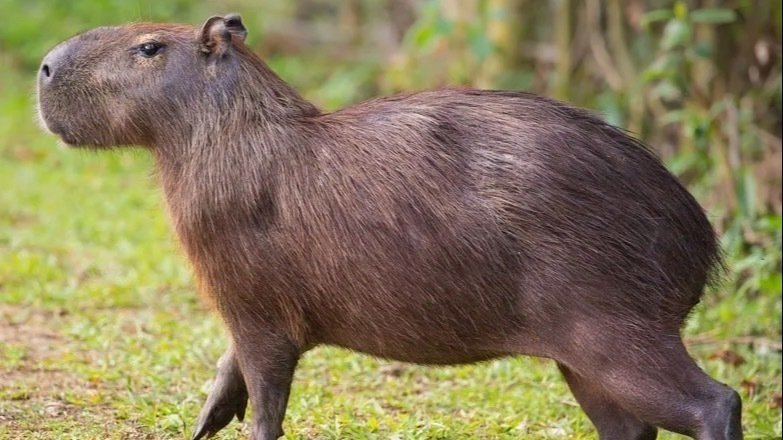
Capybaras are semi-aquatic mammals from South America. They can weigh up to 150 pounds and reach 4 feet in length. Capybaras are social, gentle, and love water. They need space to roam and a pool to swim in. Many people are attracted by their calm behavior and intelligence.
But capybaras are not like dogs or cats. They require specific care, a large enclosure, and regular access to water. They are also very social and can get lonely if kept alone.
Massachusetts Laws: Can You Own A Capybara?
Massachusetts has strict rules about owning exotic animals. The state divides animals into categories: domestic, wild, and non-domesticated. Capybaras are considered wild/exotic animals.
The Massachusetts Division of Fisheries and Wildlife (MassWildlife) manages pet ownership laws. According to their current regulations, it is illegal to own a capybara as a pet in Massachusetts without a special permit. The state’s regulations list capybaras under “prohibited species” for private ownership.
Why Are Capybaras Restricted?
There are several reasons for these restrictions:
- Public safety: Exotic animals can carry diseases and may become aggressive.
- Animal welfare: Owners may not meet their complex needs.
- Environmental risk: Escaped animals could harm local wildlife.
Other states may have different laws, but Massachusetts is known for being strict. For more details, see the official list on the Massachusetts government website.
How The Permit System Works
In rare cases, zoos, research centers, or educational groups can apply for a permit to keep capybaras. These permits are not for private pet owners. The process is complex and includes:
- Facility inspection
- Proof of need (education, research, etc.)
- Ongoing reporting
Even with a permit, the requirements are high, and most applications from private citizens are denied.
Comparison Of Permitted And Prohibited Species
Below is a simple comparison of animal types and their status for private ownership in Massachusetts.
| Animal Type | Private Ownership | Permit Possible |
|---|---|---|
| Dog/Cat | Allowed | No |
| Capybara | Not Allowed | Only for Institutions |
| Ferret | Allowed | No |
| Wolf | Not Allowed | Rarely |
What Happens If You Own One Illegally?
Owning a capybara without permission can lead to serious problems. If authorities find out, you could face:
- Fines: Penalties may reach hundreds or thousands of dollars.
- Animal seizure: Officials may remove the animal, sometimes without warning.
- Legal action: Repeated violations could result in criminal charges.
Massachusetts actively enforces these laws, so hiding a capybara is risky and unfair to the animal.
Credit: www.change.org
Common Mistakes And Misunderstandings
Many people think “If I find a capybara for sale online, it must be legal. ” This is not true. Sellers may operate in other states where laws differ, but Massachusetts law still applies once the animal crosses state lines.
Another common mistake is assuming capybaras are easy to care for. In fact, they need:
- A pool for swimming
- High-quality grass hay and special diets
- Regular veterinary care from an exotic animal vet
- Daily social time (with humans or other capybaras)
If these needs are not met, capybaras can become stressed or sick.
Capybara Ownership In Neighboring States
If you live near Massachusetts, you might wonder if the laws are different just over the border. Here’s a quick comparison.
| State | Capybara Ownership | Permit Needed? |
|---|---|---|
| Massachusetts | Not Allowed | Yes (for institutions) |
| New Hampshire | Allowed | Yes |
| Connecticut | Not Allowed | No |
| Vermont | Case-by-case | Yes |
| Rhode Island | Not Allowed | No |
This shows that laws can change quickly from state to state. Always check current regulations before considering an exotic pet.

Credit: capybaraworld.wordpress.com
Real-world Experiences: What Owners Say
Some people try to own capybaras without knowing the rules. They often share stories online about difficulties:
- Finding proper food
- Getting access to an exotic vet
- Dealing with neighbors or local complaints
- Facing unexpected costs (over $2,000 a year)
One common issue is loneliness. Capybaras are herd animals and may become depressed if kept alone. This is a key reason why animal welfare groups advise against single capybara ownership.
Responsible Alternatives
If you love capybaras but live in Massachusetts, consider these options:
- Visit a zoo or wildlife center with capybaras.
- Volunteer at an animal sanctuary.
- Learn about native rodents, like beavers or muskrats, which can be observed in the wild.
Supporting animal welfare groups helps protect these unique animals and ensures they receive proper care.

Credit: a-z-animals.com
Frequently Asked Questions
Can I Get A Special Permit To Own A Capybara In Massachusetts?
No, permits for capybaras are only given to zoos, research centers, or educational institutions. Private citizens cannot get a permit to keep a capybara as a pet.
What Happens If I Bring A Capybara Into Massachusetts From Another State?
Transporting a capybara into Massachusetts is illegal without special permission. The animal could be seized, and you could face fines or legal trouble.
Are There Any Capybara Breeders In Massachusetts?
No, breeding or selling capybaras is not allowed in Massachusetts. Any offers found online are likely from out-of-state sellers or are illegal.
Can Veterinarians In Massachusetts Treat Capybaras?
Some exotic animal vets can treat capybaras, but since ownership is illegal, finding a vet willing to help may be difficult. This is another reason why private ownership is not practical.
Where Can I See A Capybara In Massachusetts?
You can visit certain zoos or wildlife centers. Always check the zoo’s website before visiting to see if capybaras are on display.
Massachusetts takes exotic pet laws seriously. While capybaras are fascinating animals, the law is clear: you cannot own one as a pet in this state. If you admire these gentle giants, support them by learning more, visiting them in zoos, or helping animal conservation. This way, you can enjoy capybaras without breaking the law or risking the animal’s welfare.


