

Thinking about having a capybara as a pet in New Jersey? You’re not alone. These giant rodents have captured the hearts of animal lovers everywhere. Their gentle nature and quirky personalities make them popular on social media and among exotic pet enthusiasts. But before you dream of a capybara lounging in your backyard, you need to know the legal facts, care requirements, and real-life challenges of owning one in New Jersey. Here’s what you must understand before making this big commitment.
Is It Legal To Own A Capybara In New Jersey?
The first and most important question: Can you legally own a capybara in New Jersey? The answer is not simple. New Jersey has strict laws about owning exotic and wild animals. The New Jersey Division of Fish and Wildlife controls which animals are allowed as pets. According to their regulations, capybaras fall into a gray area.
You cannot keep most wild animals without a special Individual Hobby Permit. This permit is hard to get and requires you to meet strict rules about caging, safety, and animal care. Capybaras, as large rodents, are not listed as “domestic pets” like dogs or cats. This means you will likely need a permit and must follow state and sometimes local rules.
Some towns and cities in New Jersey have extra restrictions. Even if the state gives you a permit, your local government might not allow capybaras. Always check with both state and local animal control before buying or adopting any exotic pet.
Capybara Ownership Permit: What You Need To Know
If you want to own a capybara, you must apply for a permit from the Division of Fish and Wildlife. Here’s what’s usually required:
- Detailed application with your information and plans for the animal.
- Proof of proper housing—an enclosure that meets space and safety standards.
- Proof of experience handling large rodents or exotic pets.
- Vet recommendation or evidence of a relationship with an exotic animal veterinarian.
- Annual inspection of your property and enclosure.
- Fee payment, which can be over $100 per year.
Approval is not guaranteed. Many applications are denied if the enclosure is too small, safety plans are weak, or you lack animal experience. Always prepare your documents carefully and follow all instructions. Getting advice from a local exotic pet owner or lawyer can help avoid mistakes.

Credit: nj1015.com
Capybara Care Requirements
Capybaras are not like guinea pigs or rabbits. They are the world’s largest rodents and have unique needs. Here’s what caring for a capybara involves:
Space And Enclosure
- Large fenced area: At least 12 x 20 feet per capybara.
- Strong fencing: 4 feet high, able to withstand chewing.
- Shelter: To protect from cold and rain.
- Water source: Capybaras must swim daily. A small pond or large pool is essential.
Diet
- High-quality hay (timothy or orchard grass)
- Fresh vegetables (carrots, lettuce, squash)
- Special rodent pellets
- Clean, fresh water at all times
Capybaras need to chew often to keep their teeth healthy. Without proper food and chewing items, they can develop dental problems.
Social Needs
Capybaras are highly social animals. Keeping just one can cause stress, depression, or even aggression. Experts recommend having at least two capybaras. But this means more space, higher costs, and double the care.
Veterinary Care
Finding a vet who knows capybaras is a real challenge. Not all exotic animal vets have experience with large rodents. Routine checkups, vaccines, and emergency care can be expensive and require travel.
Costs Of Owning A Capybara
Bringing home a capybara is a big financial commitment. Here’s a breakdown:
| Expense | Estimated Cost (per year) |
|---|---|
| Permit Fees | $100 – $250 |
| Enclosure Setup | $2,000 – $5,000 (one-time) |
| Food and Supplies | $800 – $1,200 |
| Veterinary Care | $300 – $1,000 |
| Swimming Pond/Pool Maintenance | $300 – $600 |
A common mistake is underestimating the startup costs. Building a safe, escape-proof enclosure with a pond can cost thousands of dollars. Also, emergencies can easily double your yearly expenses.
Risks And Challenges
Capybaras are gentle, but they come with risks most people do not expect.
- Zoonotic diseases: Capybaras can carry diseases that affect humans and other animals.
- Escape risks: They are strong swimmers and can escape weak fencing.
- Destructive chewing: Capybaras chew on wood, plants, and sometimes hoses or wires.
- Noise: They vocalize and can be loud, especially if lonely or stressed.
Insurance is another issue. Many homeowner’s insurance policies do not cover exotic pets like capybaras. If your capybara escapes or causes damage, you may be responsible for costly bills.
Capybara Vs. Other Exotic Pets In New Jersey
How does owning a capybara compare to other popular exotic pets? Here’s a quick look:
| Animal | Permit Needed? | Space Required | Social Needs |
|---|---|---|---|
| Capybara | Yes | Very large | High (needs a companion) |
| Ferret | No | Small | Moderate |
| Hedgehog | No | Small | Low |
| Sugar Glider | Yes | Medium | High |
Capybaras clearly need more space and care than most legal exotic pets in New Jersey.
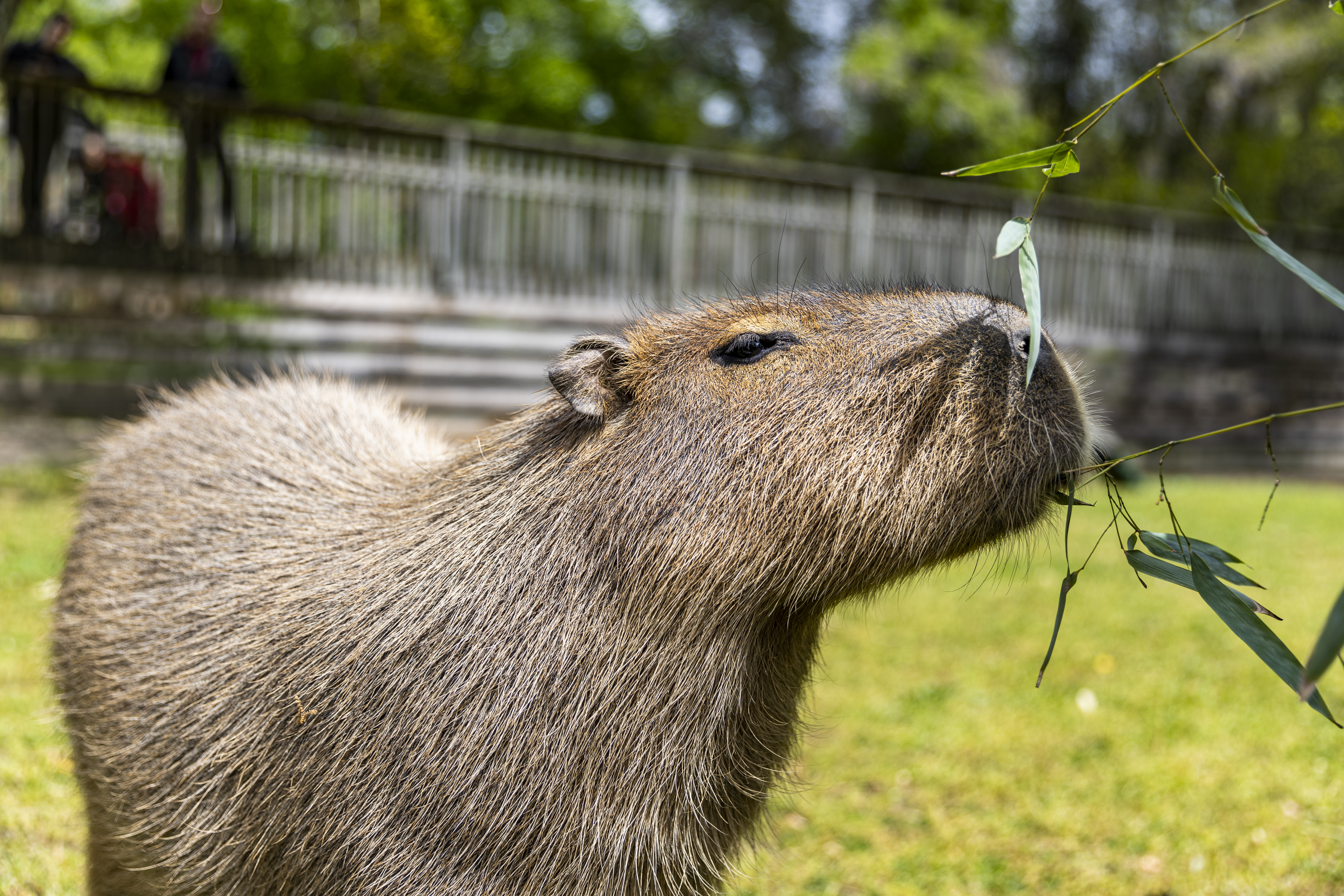
Credit: www.inquirer.com
Real-life Stories: Capybara Owners In The U.s.
Most capybara owners say the experience is rewarding but challenging. One owner in Pennsylvania spent over $10,000 building a pond and enclosure. Another in Texas had trouble finding a vet, leading to costly emergency bills.
A common insight: people underestimate the social needs of capybaras. Owners who kept only one capybara saw behavior problems—chewing, vocalizing, and even escaping. Those who had two or more saw happier, healthier pets.
It’s also important to note: some states have taken capybaras away from owners who broke rules, even if the animal was well cared for. Always stay updated on local laws.
Frequently Asked Questions
Can You Own A Capybara In New Jersey Without A Permit?
No, you cannot. New Jersey requires a special permit for capybaras. Owning one without a permit can lead to fines and the animal being taken away.
How Much Space Does A Capybara Need?
Each capybara needs at least 12 x 20 feet of secure outdoor space, plus a swimming pond or pool. More space is better, especially for multiple capybaras.
Are Capybaras Good Pets For Families With Children?
Capybaras are gentle but are not ideal for most families. They need a lot of care, space, and social time. Young children can unintentionally stress or harm them.
Can Capybaras Live Indoors?
Capybaras are not suited for life indoors. They need outdoor space, swimming, and grass to graze. Keeping them inside can lead to health and behavior problems.
Where Can I Learn More About Exotic Pet Laws In New Jersey?
Visit the NJ Division of Fish and Wildlife for up-to-date information on permits and laws.
Owning a capybara in New Jersey is possible—but it’s not easy. If you’re serious about caring for these fascinating animals, do your research, prepare your home, and follow every law. With the right planning and resources, capybara ownership can be a unique and rewarding journey.
If not, consider other pets that better fit your lifestyle and local rules.

Credit: www.nj.com


