

Have you ever wondered if you can own a capybara as a pet? These gentle giants are the world’s largest rodents, known for their calm nature and unique charm.
But before you imagine having one in your backyard, there are important things you need to know. Owning a capybara isn’t as simple as it sounds. If you’re curious about what it takes, the rules involved, and whether they truly make good pets, keep reading.
This guide will help you discover everything you need to decide if a capybara could be the right companion for you.
Legal Status Of Capybara Ownership
Owning a capybara is not simple everywhere. Laws about these large rodents vary by country and region. Understanding the legal status of capybara ownership helps avoid trouble. It ensures you follow the rules and keep the animal safe and happy.
Capybara Laws By Country
Capybara ownership laws differ around the world. Some countries allow them as pets with few restrictions. Others ban capybaras completely. In the United States, laws vary by state. Some states require permits, while others forbid ownership. European countries often have strict rules protecting wildlife. South American countries, where capybaras are native, usually have special wildlife laws. Always check local laws before getting a capybara.
Permits And Licensing Requirements
Many places require permits to own capybaras. These permits show you meet care and safety standards. They may include inspections or proof of experience. Licensing helps control the pet trade and protect wild populations. Without a permit, owning a capybara can lead to fines or confiscation. Rules may change, so check for updates regularly.
Import And Export Restrictions
Capybaras face import and export controls in many countries. These rules prevent illegal wildlife trade and disease spread. Some countries ban capybara import entirely. Others require health certificates and quarantine periods. Exporting capybaras often needs special permits from wildlife authorities. Ignoring these rules can cause legal problems and harm the animals.

Credit: a-z-animals.com
Capybara Habitat Needs
Capybaras are large, social rodents that need specific habitat conditions to thrive. Their natural environment is very different from most pets. Understanding their habitat needs is important for anyone thinking about keeping one.
Capybaras live near water and in open spaces. They need room to move, swim, and rest. Without the right habitat, they can become stressed or unhealthy.
Ideal Living Environment
Capybaras come from South America’s wetlands and forests. They need a warm, calm place with fresh air. The environment should mimic their natural habitat as much as possible. Grass, plants, and soft soil make them comfortable. They also need shade to avoid too much sun.
Space And Enclosure Design
Capybaras are large and active animals. They need plenty of space to walk and explore. A small cage is not enough. The enclosure should be secure and tall enough to prevent escapes. It must have open areas for running and resting. Group living is best, as capybaras are social animals.
Water Access And Swimming Needs
Water is essential for capybaras. They spend much time swimming and cooling off. Provide a large pool or pond with clean water. The water should be deep enough for swimming but easy to get in and out. Regular water cleaning is important to keep them healthy.
Diet And Nutrition
Capybaras have specific diet and nutrition needs that affect their health and happiness. Knowing what they eat in the wild helps provide the right food at home. A balanced diet keeps capybaras active and prevents illness.
Natural Diet Of Capybaras
Capybaras eat mostly grass and aquatic plants. They enjoy fresh leaves and fruits when available. Their strong teeth help chew tough plants easily. Eating natural food supports good digestion and dental health.
Feeding Schedule And Food Types
Feed capybaras twice daily with fresh grass or hay. Include vegetables like carrots and squash for variety. Clean water must be available all the time. Avoid sugary or processed foods to keep them healthy.
Supplements And Treats
Provide vitamin supplements only if a vet suggests. Small treats like apples or sweet potatoes are fine sometimes. Never overfeed treats to avoid weight problems. Proper care means balanced nutrition every day.
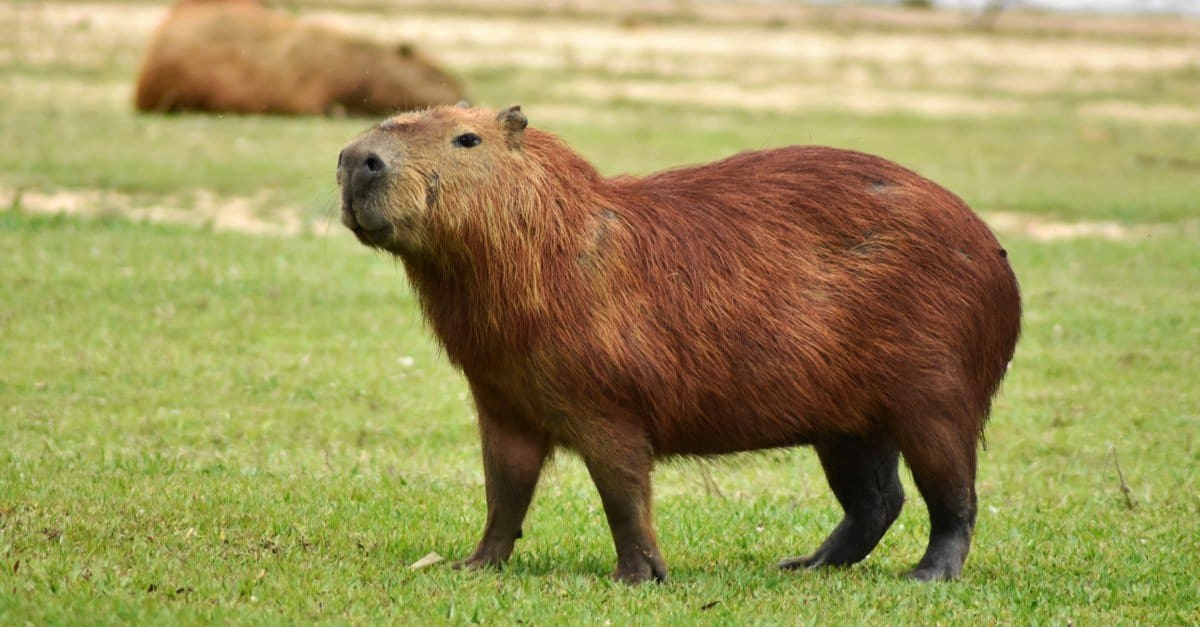
Credit: a-z-animals.com
Behavior And Social Needs
Capybaras are unique pets with specific behavior and social needs. Understanding these needs helps ensure they live happily and healthily in your care. These animals thrive in environments that meet their natural instincts and social habits.
Temperament And Personality
Capybaras are gentle and calm animals. They rarely show aggression and often stay relaxed around people. Their friendly nature makes them good companions. They enjoy quiet surroundings and can be shy at first. Patience helps build trust with them over time.
Social Interaction And Companionship
Capybaras are highly social creatures. They live in groups in the wild and need company to stay happy. Keeping a single capybara alone can lead to loneliness and sadness. They communicate through sounds and body language. Providing a companion or spending time with them daily is important.
Signs Of Stress Or Illness
Stress in capybaras shows in behavior changes. They may stop eating or become unusually quiet. Aggression or constant hiding can also be warning signs. Physical signs include dull eyes or rough fur. Early detection of illness helps with quick treatment. Regular observation keeps them healthy and safe.
Health Care And Maintenance
Capybaras need special care to stay healthy and happy. Their health depends on good food, clean water, and a safe home. Understanding their needs helps prevent many health problems. Regular care keeps your pet strong and active.
Capybaras also need daily attention for their hygiene and comfort. Knowing common health issues and how to care for them is very important. Proper grooming and regular vet visits will keep your capybara in top shape.
Common Health Issues
Capybaras can suffer from skin infections and parasites. Digestive problems may occur if their diet is poor. They also risk overgrown teeth that cause pain. Watch for signs of illness like loss of appetite or lethargy. Early detection makes treatment easier.
Veterinary Care Tips
Find a vet familiar with exotic pets and rodents. Schedule regular check-ups to catch health issues early. Vaccinations may be needed to prevent diseases. Keep your vet informed about any changes in behavior. Always follow the vet’s advice for medicine and care.
Grooming And Hygiene
Capybaras need weekly brushing to remove loose fur. Bathing helps keep their skin clean and healthy. Trim their nails carefully to avoid injury. Clean their living area daily to reduce germs. Good hygiene prevents infections and promotes comfort.
Cost Of Owning A Capybara
Owning a capybara involves several costs. These costs go beyond just buying the animal. Understanding these expenses helps you prepare well for your new pet. Capybaras need special care, space, and a proper diet. Let’s explore the main costs involved in owning a capybara.
Initial Purchase And Setup
Buying a capybara can cost between $1,000 and $3,000. Prices vary by region and breeder. You also need a large, secure space. Capybaras need room to roam and swim. Setting up a suitable enclosure might cost $500 to $2,000. This includes fencing, a pond or water area, and shelter. Don’t forget basic supplies like food bowls and bedding.
Ongoing Expenses
Capybaras eat a lot of fresh vegetables and hay. Monthly food costs can reach $50 to $100. They need clean water daily, so water supply matters. Regular vet visits are essential, costing about $100 yearly. Vaccinations and parasite control add to this expense. Cleaning the enclosure also requires supplies like disinfectants and bedding.
Unexpected Costs
Capybaras can get sick or injured. Emergency vet bills may be expensive, sometimes over $500. Repairs to the enclosure might be needed if they escape or damage it. Weather changes can require extra heating or cooling equipment. These surprise costs can add up quickly. It’s smart to have savings ready for such situations.
Challenges Of Capybara Ownership
Owning a capybara is not as simple as it seems. These large rodents need special care and attention. Understanding the challenges helps decide if a capybara fits your lifestyle.
Time Commitment
Capybaras need daily care and interaction. They require several hours outside their enclosure for exercise. Feeding them fresh food and cleaning their space takes time. They also need social time to stay happy and healthy.
Behavioral Challenges
Capybaras can be shy or aggressive sometimes. They may bite or scratch if scared. Training is needed to handle them safely. They communicate with sounds and body language. Owners must learn these signs to respond well.
Legal And Ethical Considerations
Many places have laws about owning exotic pets like capybaras. Check local rules before getting one. Ethical care means providing proper space and environment. Capybaras belong in groups, so keeping one alone is harmful. Responsible ownership is a serious commitment.
Alternatives To Owning A Capybara
Owning a capybara may not be possible or practical for many people. Capybaras need special care, space, and a proper environment. There are other ways to enjoy and learn about these unique animals without keeping one as a pet.
Other Exotic Pets
Some animals have similar traits but are easier to care for. Guinea pigs share some behaviors with capybaras. They are social and gentle. Small reptiles or birds can also be interesting pets. Choose pets that fit your lifestyle and home.
Visiting Capybara Sanctuaries
Sanctuaries provide a safe home for capybaras. Visiting these places lets you see capybaras up close. You learn about their habits and needs. Sanctuaries help protect these animals and teach people about them. A visit supports their work and care.
Volunteering Opportunities
Volunteering at animal centers is rewarding. It allows you to help capybaras and other animals. Tasks may include feeding, cleaning, and socializing with animals. Volunteering builds knowledge and respect for wildlife. It is a great way to connect with nature.

Credit: www.pbspettravel.co.uk
How Capybara World Can Help You with Can You Own a Capybara
Learning Through the Lens of Capybara Care
Thinking about owning a capybara invites a deeper dive into their unique needs—especially their habitat and social behavior. Understanding their environment and diet isn’t just about keeping them happy; it’s a practical lesson in ecology and animal welfare. For example, their need for water-rich habitats highlights the importance of wetlands and conservation, connecting you with broader environmental issues.
Exploring capybara behavior and social needs reveals fascinating insights into their gentle nature and how they thrive in groups. These observations can sharpen your skills in animal behavior, patience, and empathy—qualities that apply well beyond capybaras themselves.
- Consider how maintaining their health care routines teaches responsibility and attention to detail.
- Learning about legal restrictions encourages research skills and awareness of wildlife regulations.
At Capybara World, we share these insights not just to inform but to build a community that appreciates these amazing creatures. If you ever want to chat or need reliable information, feel free to reach out at hello@capybara-world.com—sometimes the best learning comes from a friendly conversation.
Frequently Asked Questions
Can You Legally Own A Capybara As A Pet?
Laws vary by location; some places allow capybaras with permits. Check local regulations before adopting one. Owning a capybara often requires special care and legal paperwork.
What Do Capybaras Need As Pets?
Capybaras need a large space, water for swimming, and a social environment. They require a specialized diet of grasses and vegetables. Regular vet care is essential for their health.
Are Capybaras Friendly With Humans?
Capybaras are social and can bond with humans if raised properly. They are gentle but need time and patience to trust owners. Interaction helps them stay happy and well-adjusted.
How Much Does It Cost To Keep A Capybara?
Initial costs include purchase, habitat setup, and permits, often high. Monthly expenses cover food, veterinary care, and maintenance. Capybaras can be expensive to keep compared to common pets.
Conclusion
Owning a capybara takes time, effort, and knowledge. These animals need space, care, and a special diet. Laws about owning capybaras differ by place. Research local rules before deciding. They are social and need company to stay happy. Think carefully about their needs and your lifestyle.
Capybaras can be friendly pets but need serious commitment. Choose wisely and be ready to provide proper care. Owning a capybara is a big responsibility, not a simple choice.


