

Capybaras are the biggest rodents in the world. They live in South America. Many people find them cute and gentle. But, do capybaras have predators? The answer is yes. Capybaras face danger from many animals. In this article, we will learn about their predators. We will also see how capybaras protect themselves.
Credit: www.reddit.com
Who Are Capybaras?
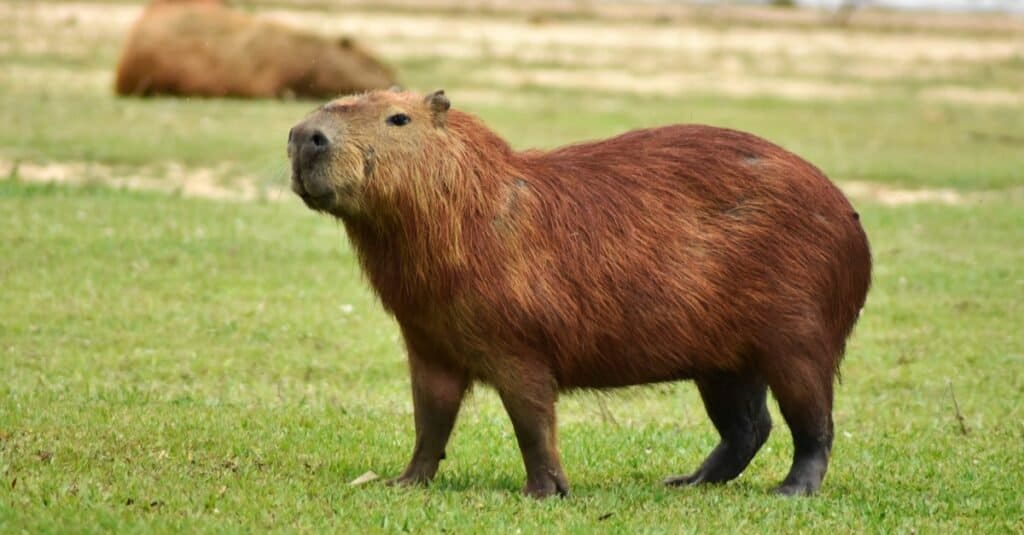
Before talking about predators, let’s know capybaras better. Capybaras live near water. They like rivers, lakes, and swamps. Their bodies are large and round. They have short legs and webbed feet. These help them swim fast. Capybaras eat grass and plants. They live in groups, sometimes with 10 or more.
Capybaras are very social animals. They spend much time together. They make sounds to talk to each other. This helps them stay safe. They warn each other if danger comes.
Why Do Capybaras Have Predators?
Capybaras are big rodents, but they are not the biggest animals in their home. Many animals see them as food. Predators hunt animals like capybaras to survive. This is part of nature’s balance. Predators keep the animal population healthy. Without predators, some animals can grow too many and harm the environment.
Main Predators of Capybaras
Capybaras have many enemies. Here are some main predators they must watch out for:
| Predator | Where Found | How They Hunt Capybaras |
|---|---|---|
| Jaguars | Rainforests, Grasslands | Stalk silently, attack with strong bite |
| Caimans | Rivers, Swamps | Hide underwater, grab with jaws |
| Harpy Eagles | Forests | Fly high, swoop down fast |
| Anacondas | Swamps, Rivers | Wrap tightly, squeeze to kill |
| Humans | Many areas | Hunt for meat or pets |
Jaguars: The Top Threat
Jaguars are the biggest cats in South America. They are very strong and fast. Jaguars can easily catch capybaras. They use their sharp teeth to kill quickly. Capybaras watch for jaguars by staying in groups. They also hide near water where they swim away fast.
Caimans: The Water Hunters
Caimans are like small crocodiles. They live in rivers and swamps. Caimans stay mostly underwater. When a capybara drinks water or swims, caimans jump out. They bite and drag capybaras under water. This is very dangerous for the rodents.
Harpy Eagles: The Sky Attackers
Harpy eagles are big birds. They have strong claws. They fly high and look for food below. Sometimes, they catch young or small capybaras. Their fast attack leaves little chance to escape.
Anacondas: The Silent Killers
Anacondas are large snakes. They live in water and forests. They wait quietly for animals like capybaras to come close. When near, they wrap around the capybara. The snake squeezes hard until the animal stops moving.
Humans: A Growing Danger
Humans also hunt capybaras. Some people eat their meat. Others keep capybaras as pets. Humans cut forests and build homes. This destroys capybaras’ habitat. Less space makes them easy targets for predators.
How Do Capybaras Protect Themselves?
Capybaras have smart ways to stay safe. Here are some ways they protect themselves from predators:
- Living in Groups: Capybaras stay together. Many eyes watch for danger.
- Swimming: They swim to escape. Their webbed feet help them swim fast.
- Hiding: Capybaras hide in tall grass or water plants.
- Alert Sounds: They make loud calls to warn others.
- Running: When on land, they run quickly to safety.
Group life is very helpful. If one capybara sees a predator, it makes a noise. The others run or swim away. Sometimes, they even stay underwater for five minutes. This helps them hide from danger.
Capybara Babies and Predators
Young capybaras are more at risk. They are smaller and slower. Predators like eagles and snakes try to catch babies. Mother capybaras stay close to their young. They watch carefully. They keep babies near water where it is safer.
Credit: a-z-animals.com
Predator and Prey Balance
Predators and capybaras live in balance. This is good for the environment. Predators keep capybara numbers in control. Capybaras provide food for predators. This cycle helps plants and animals grow healthy.
When predators disappear, capybara numbers grow too much. This can damage plants and water. So, predators are important too.
Interesting Facts About Capybaras and Predators
- Capybaras can hold their breath for up to 5 minutes underwater.
- Jaguars have the strongest bite of all big cats.
- Harpy eagles are one of the largest and most powerful birds.
- Anacondas are among the heaviest snakes in the world.
- Capybaras often share their space with other animals like birds and monkeys.
Frequently Asked Questions
Do Capybaras Have Natural Predators?
Yes, capybaras are prey to jaguars, anacondas, and caimans in the wild. These predators hunt capybaras mainly near water bodies.
What Animals Commonly Hunt Capybaras?
Jaguars, large snakes like anacondas, and caimans often hunt capybaras. Birds of prey may also attack young capybaras.
How Do Capybaras Avoid Predators?
Capybaras stay close to water for quick escape. They use group living to watch for danger and warn each other.
Can Humans Be Predators To Capybaras?
Humans sometimes hunt capybaras for meat and skin. Habitat loss caused by humans also threatens their safety.
Conclusion
Yes, capybaras have many predators. Jaguars, caimans, anacondas, harpy eagles, and humans all hunt them. But capybaras are clever. They use swimming, hiding, and group living to stay safe. Their survival depends on being alert and quick.
Understanding these animals helps us respect nature. It shows how every animal plays a role. Capybaras and their predators keep life balanced. Protecting their homes is important for all wildlife.


