

Capybaras are famous for their gentle behavior and social lifestyle. These large, water-loving rodents often appear in nature documentaries, sitting calmly with birds on their backs or lounging with other animals. But many people wonder about their diet, especially whether these peaceful creatures ever eat meat.
This question may seem simple, but the answer reveals a lot about capybaras’ biology, habits, and their role in nature.
What Do Capybaras Normally Eat?
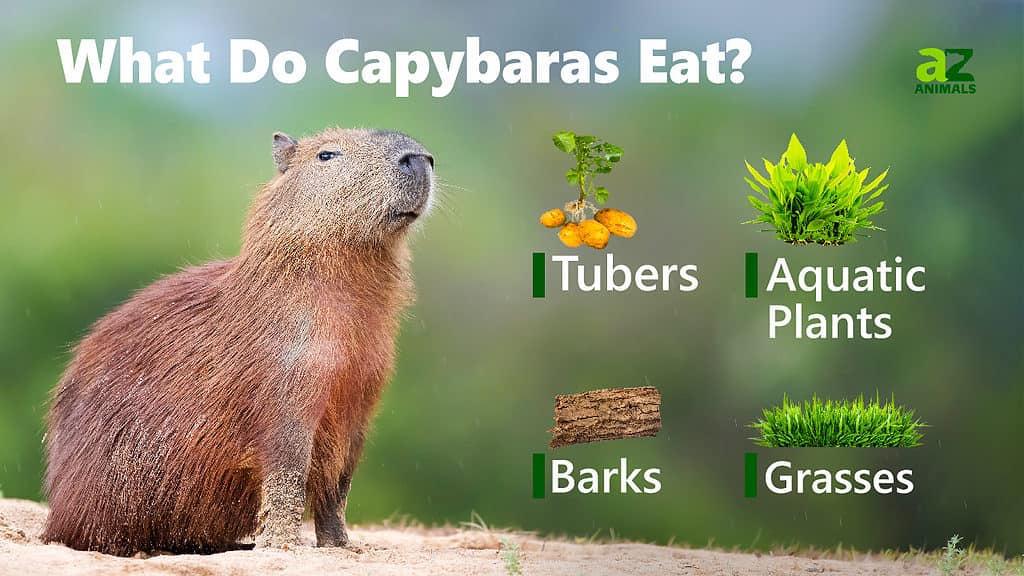
Capybaras are herbivores, which means their main diet is plants. In the wild, they eat a variety of vegetation, including grasses, aquatic plants, fruits, and bark. Their digestive system is designed to break down tough plant material, and they need a lot of fiber to stay healthy.
A typical capybara diet in the wild looks like this:
- 80% grasses: Their favorite food, especially during the wet season.
- Aquatic plants: They eat plants growing in or near water.
- Fruits and vegetables: Seasonal fruits and some vegetables are eaten if available.
- Tree bark and reeds: During dry seasons, they chew on bark to survive.
Capybaras also practice coprophagy—eating their own soft feces to digest more nutrients from their food. This process helps them get the most out of their fibrous diet, similar to rabbits and guinea pigs.
Do Capybaras Eat Meat?
The short answer is no, capybaras do not eat meat. Their teeth and digestive system are not made for processing animal protein. Capybaras have flat molars for grinding plants, not the sharp teeth needed to tear flesh. Their stomach is built for fermenting fiber, not for breaking down meat.
In rare cases, some people have claimed to see capybaras nibbling on dead animals. However, experts believe these are accidental or curious behaviors, not true meat-eating. For example, a capybara might sniff or chew on a bone, but not swallow or digest it. There are no scientific reports showing capybaras actively seeking or eating meat as part of their regular diet.
Here’s a quick comparison of the digestive systems of herbivores and carnivores:
| Feature | Herbivores (Capybara) | Carnivores (Lion) |
|---|---|---|
| Teeth type | Flat molars | Sharp canines |
| Stomach type | Fermenting chamber | Simple acid stomach |
| Main food | Plants, grasses | Meat, flesh |
Why Capybaras Do Not Need Meat
Capybaras get all their nutrition from plants. The variety of grasses and aquatic plants they eat gives them protein, vitamins, and minerals. Their gut bacteria help break down tough fibers, turning them into energy. Eating meat would not help them, as they cannot digest it well and it could upset their stomach.
This is also why capybaras are often seen grazing for hours each day. They need to eat a lot to get enough energy. In captivity, capybaras may be fed hay, lettuce, carrots, and special rodent pellets to mimic their natural diet.
Are There Any Exceptions?
Some animals are known as opportunistic feeders—they will eat almost anything available. Capybaras, however, are very consistent in their plant-based diet. Even in zoos or as pets, they are not offered meat because it does not suit their needs.
In unusual situations, like extreme hunger or lack of food, animals sometimes eat things outside their normal diet. For capybaras, there are no records of meat-eating for survival. Instead, they become more creative with the plants they find.

Credit: www.reddit.com
What If A Capybara Accidentally Eats Meat?
If a capybara accidentally eats a small piece of meat, it usually passes through their system without harm, but it gives them little nutrition. Their body cannot use animal protein efficiently. Over time, eating the wrong food can cause digestive problems or illness.
In zoos, keepers are careful to avoid any meat in capybara enclosures. Sometimes, other animals may share the habitat, but their food is separated to prevent mistakes.
Capybaras And Other Animals
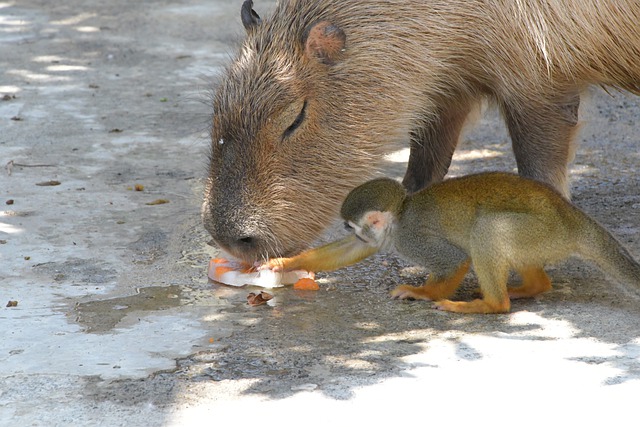
Capybaras often live with birds, turtles, and even monkeys. Some people think this means capybaras might eat small animals, but this is a misunderstanding. Their calm nature makes them friendly neighbors, not hunters. In fact, some birds pick insects from the capybara’s fur, but the capybara does not eat the birds or insects.
Here’s a look at some common animals seen with capybaras:
| Animal | Interaction with Capybara | Food Source |
|---|---|---|
| Birds (e.g. Cattle Egrets) | Pick insects from fur | Insects, not capybara flesh |
| Turtles | Share water space | Plants, small insects |
| Monkeys | Occasionally ride on back | Fruits, leaves |
Credit: a-z-animals.com
Capybaras As Pets: Feeding Tips
If you own or care for a capybara, it’s important to provide the right food. Here are some tips:
- Give unlimited grass or hay: Timothy hay is a good choice.
- Add fresh vegetables: Leafy greens, carrots, and squash are safe.
- Avoid all meat and dairy: Their system cannot digest these foods.
- Provide clean water: Capybaras need water for drinking and swimming.
- Offer special rodent pellets: These help balance their nutrition.
Watch for signs of poor diet, like weight loss, diarrhea, or loss of fur. If you’re not sure about a food, ask a vet with experience in exotic animals.
Surprising Facts About Capybara Diet
Capybaras have a few unusual eating habits. For example, their love of water plants means they can sometimes eat plants that are toxic to other animals. Their gut bacteria can neutralize certain toxins.
Another interesting fact is their seasonal eating. In the wet season, they eat mostly fresh green grass. During the dry season, they switch to dried grasses and even tree bark. This flexibility helps them survive in changing environments.
Credit: capybarafacts.com
How Capybara Diet Compares To Other Rodents
Capybaras are the world’s largest rodent, but their eating habits are similar to smaller relatives like guinea pigs and chinchillas. All these animals depend on high-fiber diets, and none are meat-eaters.
Here’s a quick comparison:
| Rodent | Main Food | Meat in Diet? |
|---|---|---|
| Capybara | Grasses, water plants | No |
| Guinea Pig | Hay, vegetables | No |
| Beaver | Tree bark, leaves | No |
| Rat | Omnivorous (includes meat) | Sometimes |
This shows that while some rodents (like rats) can eat meat, capybaras strictly stick to plants.
Frequently Asked Questions
Do Capybaras Ever Hunt Other Animals?
No, capybaras are not hunters. They are gentle, plant-eating animals and do not chase or catch other animals for food.
Can Capybaras Eat Insects Or Fish?
Capybaras do not eat insects or fish. Even if insects are on their food, capybaras do not seek them out or use them as a food source.
What Happens If A Capybara Eats Meat By Accident?
If a capybara eats a little meat by mistake, it usually passes without problems, but their body cannot digest or use it well. Over time, eating the wrong food can make them sick.
Are Capybaras Omnivores Or Strict Herbivores?
Capybaras are strict herbivores. Unlike omnivores, they cannot digest animal protein and rely only on plant-based food.
Where Can I Learn More About Capybara Diet?
For more scientific details, you can visit the Wikipedia page on Capybaras which includes research on their diet and behavior.
Capybaras are peaceful, plant-eating giants who thrive on a fiber-rich diet. They do not eat meat, and their gentle way of living makes them unique in the animal world. Understanding their diet helps us care for them better and appreciate their special place in nature.


